
Home/Wellness Zone/Sakra Blogs

14th Jan, 2015
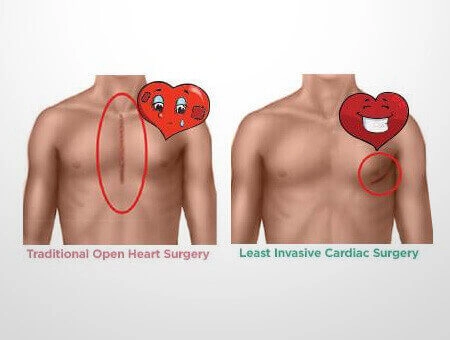
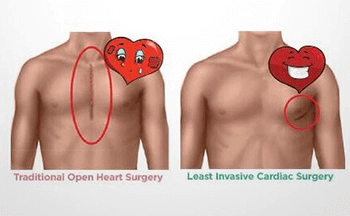
Cardiac LIS is an advanced approach to heart surgery designed to treat complex cardiac conditions with minimal trauma to the body.
Cardiac LIS offers several advantages over traditional open-heart surgery, making it a preferred option for many patients.
Not all patients require open-heart surgery, and many can benefit from this less invasive approach based on their condition.
Cardiac LIS can be used to treat a wide range of heart conditions, including:
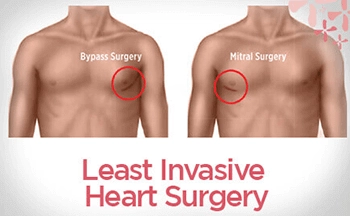
Cardiac LIS uses advanced tools and techniques to perform heart surgery through small, precise access points.
Recovery after Cardiac LIS is generally quicker and more comfortable compared to traditional surgery.
Cardiac LIS represents a significant advancement in heart surgery, offering a safer, less invasive alternative to traditional open-heart procedures. With smaller incisions, faster recovery, and reduced complications, it is transforming the way cardiac conditions are treated. While not suitable for every patient, it has become a preferred option for many, combining advanced technology with improved patient comfort and outcomes.
1. What is minimally invasive cardiac surgery (Cardiac LIS)?
Cardiac LIS is a type of heart surgery performed through small incisions instead of a large chest opening, reducing trauma to the body.
2. How is Cardiac LIS different from open heart surgery?
Unlike open surgery, it does not require cutting the breastbone. It uses smaller cuts, leading to less pain, faster recovery, and minimal scarring.
3. What conditions can be treated with Cardiac LIS?
It is used to treat conditions like valve disorders, coronary artery disease, congenital defects, and some heart tumors.
4. Who is eligible for minimally invasive heart surgery?
Patients with certain heart conditions, good overall health, and suitable anatomy may be candidates, based on a doctor’s evaluation.
5. Is minimally invasive cardiac surgery safe?
Yes, it is generally safe when performed by experienced surgeons, with outcomes similar to or better than traditional surgery in selected patients.
6. What are the benefits of Cardiac LIS?
Benefits include smaller scars, less pain, reduced blood loss, shorter hospital stay, and quicker return to normal activities.
7. How long does recovery take after minimally invasive heart surgery?
Recovery is usually faster than open surgery, often taking a few weeks instead of several months.
8. When should a patient consider Cardiac LIS?
It should be considered when a heart condition requires surgery and the patient is eligible for a less invasive approach.

Left bundle branch block
3 Sep 2026

The heart is a
10 Aug 2026
Triple Vessel Disease (TVD)
10 Aug 2026

Many everyday habits may seem
8 Jun 2026

When someone suddenly notices
19 May 2026

An arrhythmia happens when
19 May 2026

Feeling tired after a long
19 May 2026

Imagine undergoing complex heart
7 Apr 2026

Sleep is not just
24 Mar 2026

Heart failure affects more
6 Mar 2026

Heart disease doesn’t usually
6 Mar 2026

Chest pain is one
6 Mar 2026

Heart failure affects
1 Dec 2025

Heart disease doesn’t usually
1 Dec 2025

Chest pain is one
1 Dec 2025

Feeling a tight sensation in
30 Jul 2025

The terms heart rate and
30 Jul 2025
Heart-related conditions are on the
23 Jun 2025

When it comes to protecting
23 Jun 2025
Coronary Artery Disease occurs when
23 Jun 2025

Heart disease doesn’t happen overnight—and
23 Jun 2025

A heart transplant is a
12 May 2025

HF is the inability of
7 Aug 2024
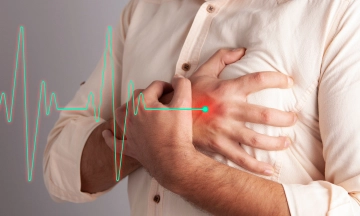
Heart failure is a serious
6 May 2024

Cardiac arrest is a sudden
6 May 2024
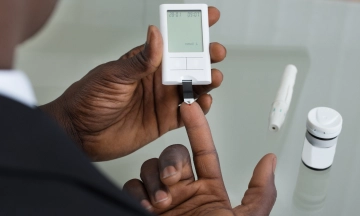
In the realm of chronic
6 May 2024
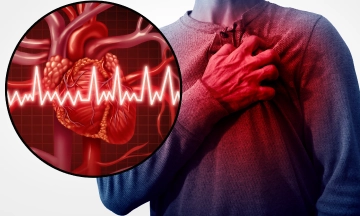
A heart attack, also known
6 May 2024
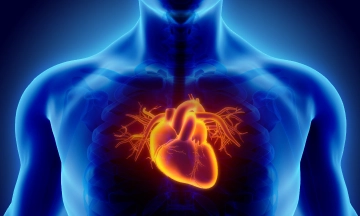
The human heart is a
15 Mar 2024
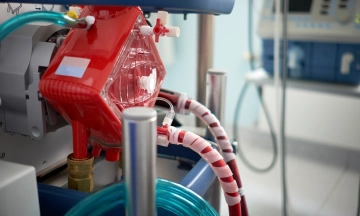
In the realm of advanced
12 Mar 2024

A diagnosis of heart failure
12 Mar 2024

Undergoing heart surgery is
17 Jan 2024

The field of medical science
17 Jan 2024
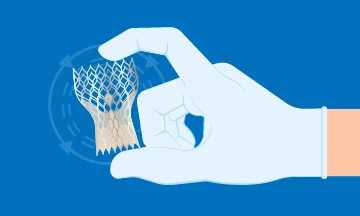
The aorta, the largest artery
25 Aug 2023

A healthy heart is essential
23 Aug 2023

Understanding Heart Failure Heart failure is
14 Aug 2023

Beriberi is also known as
28 Apr 2022

Atrial Fibrillation is a condition
9 Jun 2021

Making resolutions every New Year
17 Jun 2020

Smoking: Should I Use Nicotine
13 Jan 2020

Traveling And Driving After A
10 Jan 2020

Metabolic Syndrome A metabolic syndrome is
10 Jan 2020

Every year thousands of people
11 Jan 2019

Coronary angioplasty has evolved over
9 Jan 2019

Aortic valve surgery is one
27 Nov 2018

What is Coronary Angiography? Coronary angiography
10 Dec 2016

What is a Heart
10 Dec 2016
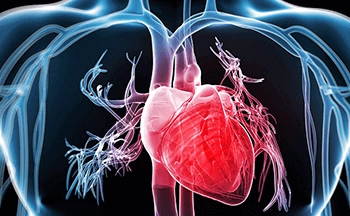
What is Unstable Angina? Unstable angina
10 Dec 2016

What is Angina? Angina is the
10 Dec 2016

Dr. Jagdish from
9 Jul 2016

Trans fat raises
9 Oct 2015

The first hour
6 Oct 2015

Protecting your heart
25 Sep 2015
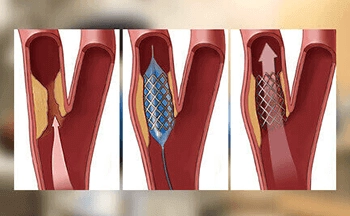
Are
24 Feb 2015
What is Cardiac LIS (Least
14 Jan 2015

We’ve
15 Sep 2014
Technology
14 Sep 2014

The Center of
8 Jul 2014

Metabolic Syndrome A metabolic syndrome is
1 Jun 2016
Enquire Now