
Home/Wellness Zone/Sakra Blogs

10th Dec, 2016
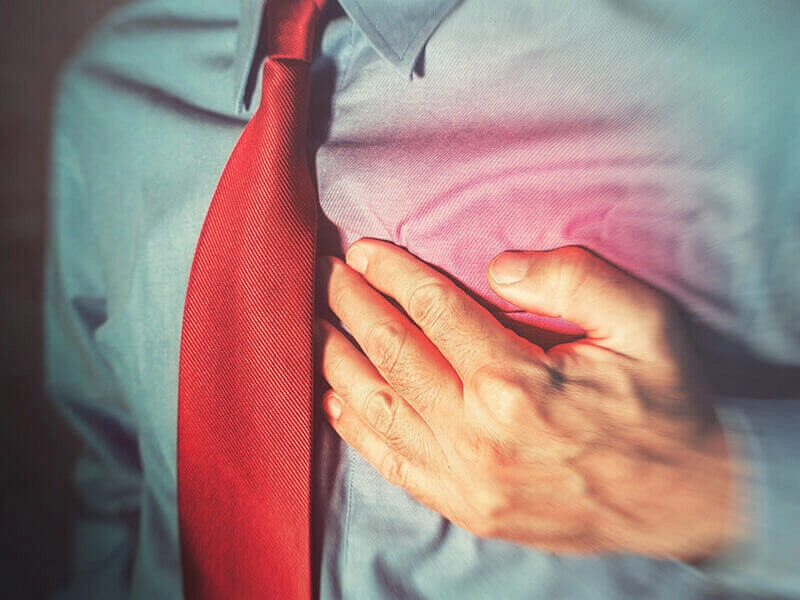
Our heart muscles need a constant supply of oxygen-rich blood to function properly. A heart attack occurs when this blood flow is significantly reduced or completely blocked. This usually happens due to narrowing or blockage in the coronary arteries.
Over time, fatty deposits, cholesterol, and other substances build up in the artery walls, forming plaques. This process is called atherosclerosis. When one of these plaques ruptures, a blood clot forms and blocks the blood flow. As a result, the heart muscle does not receive enough oxygen, leading to damage or death of the tissue. This condition is known as a heart attack or myocardial infarction (MI).
A heart attack does not happen suddenly without reason. It is usually the result of long-term damage to the heart and blood vessels.
The following are the common causes of a heart attack:
Atherosclerosis (plaque buildup): This is the most common cause, where cholesterol and fat deposits slowly narrow the coronary arteries over time, restricting blood flow.
Plaque rupture and clot formation: When a plaque breaks, it triggers the formation of a blood clot. If the clot is large, it can completely block the artery.
Coronary artery spasm: A sudden tightening of the artery can temporarily reduce or stop blood flow, even if there is no major blockage.
Spontaneous coronary artery dissection: A rare condition where a tear forms in the artery wall, disrupting normal blood flow to the heart.
Certain risk factors increase the chances of developing a heart attack:
Smoking and tobacco use: Damages blood vessels and accelerates plaque buildup, significantly increasing risk.
High blood pressure: Puts extra strain on the heart and arteries, leading to damage over time.
High cholesterol levels: Contributes to plaque formation and the narrowing of arteries.
Diabetes: High blood sugar levels damage blood vessels and increase the risk of heart disease.
Obesity and lack of physical activity: This leads to multiple risk factors like high cholesterol, diabetes, and hypertension.
Family history of heart disease: Genetic factors can make some individuals more prone to heart attacks.
Stress and unhealthy lifestyle habits: Chronic stress and poor diet also play a role in heart disease.
Heart attack symptoms can vary from person to person, but there are some commonly observed warning signs.
Here are the classic symptoms to watch for:
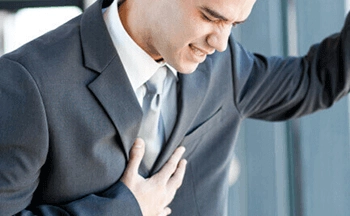
Chest pain or discomfort: Often described as pressure, heaviness, tightness, or squeezing in the center of the chest. It may last for a few minutes or come and go.
Pain spreading to other areas: The discomfort may radiate to the left arm, both shoulders, neck, jaw, back, or even upper abdomen.
Shortness of breath: Difficulty in breathing may occur with or without chest pain and can feel like sudden exhaustion.
Nausea or indigestion-like feeling: Some people experience symptoms similar to acidity or stomach discomfort.
Cold sweats: Sudden sweating without physical exertion is a common sign.
Fatigue: Unusual tiredness, especially in women, may appear days before the attack.
Dizziness or lightheadedness: Feeling faint or weak can be a warning sign.
Not everyone experiences severe chest pain. Some people may have mild symptoms like arm pain or jaw discomfort, especially if they have risk factors.
In many cases, the body gives subtle warnings before a major heart attack occurs.
These early signs should not be ignored:
Mild chest discomfort during activity: Pain that appears during exertion and goes away with rest may indicate reduced blood flow.
Unexplained fatigue: Feeling unusually tired even after minimal activity can be an early signal.
Shortness of breath on exertion: Difficulty breathing during routine tasks may suggest heart strain.
Sleep disturbances: Poor sleep or waking up feeling breathless can be an early warning.
Some heart attacks occur without obvious symptoms and are called silent heart attacks.
These may present with subtle signs such as:
Mild discomfort in chest or body: Often mistaken for muscle pain or acidity.
Sudden fatigue or weakness: May feel like general tiredness rather than a serious issue.
Breathlessness: Occurs without clear reason and may worsen over time.
Lightheadedness: A feeling of faintness that may be overlooked.
Silent heart attacks are more common in people with diabetes and older adults.
Acting quickly can save a life during a heart attack.
Follow these steps immediately:
Call emergency medical help: Do not delay seeking professional care.
Make the person sit and rest: Keep them calm and in a comfortable position.
Give aspirin if advised: It helps thin the blood and improve flow (only if not allergic).
Loosen tight clothing: Helps with breathing and comfort.
Start CPR if needed: If the person becomes unconscious and stops breathing, begin CPR.
Heart attacks can often be prevented with healthy lifestyle choices.
Important preventive measures include:
Maintain a healthy diet: Eat more fruits, vegetables, and whole grains while reducing fats and salt.
Exercise regularly: At least 30 minutes of moderate activity most days helps keep the heart healthy.
Quit smoking: Avoid tobacco in all forms.
Control blood pressure and sugar levels: Regular monitoring helps prevent complications.
Manage stress: Relaxation techniques and proper sleep are important.
If not treated on time, a heart attack can lead to serious complications.
Possible complications include:
Heart failure: The heart becomes too weak to pump blood effectively.
Irregular heart rhythms (arrhythmias): Can be life-threatening if not managed.
Cardiac arrest: Sudden stopping of heart function.
Damage to heart valves or muscle: It can affect long-term heart function.
Recovery is a gradual process and requires lifestyle changes and medical care.
Key aspects of recovery include:
Medications: Help prevent further clots and manage heart function.
Cardiac rehabilitation: A structured program to improve heart health.
Lifestyle changes: A healthy diet, exercise, and quitting smoking are essential.
Regular follow-ups: Monitoring ensures proper recovery and prevents recurrence.
It is important to seek medical help at the right time.
Consult a doctor if you notice:
Persistent chest pain or discomfort
Breathlessness or fatigue without reason
Pain spreading to arm, jaw, or back
Symptoms worsening over time
Early medical attention can prevent serious damage and save lives.
A heart attack is a serious medical emergency, but understanding its causes, symptoms, and early warning signs can make a life-saving difference. Many cases can be prevented with simple lifestyle changes and regular health check-ups. Recognizing symptoms early and seeking immediate medical care is the key to improving survival and recovery.
1. What are the early warning signs of a heart attack?
Common signs include chest discomfort, pain in the arm, neck or jaw, shortness of breath, sweating, nausea, and unusual fatigue.
2. What should you do immediately during a heart attack?
Call emergency medical help right away, stay calm, sit or lie down, and chew an aspirin if advised by a doctor.
3. Can a heart attack occur without chest pain?
Yes, some people may not have chest pain. They may experience symptoms like breathlessness, fatigue, or mild discomfort.
4. What are the symptoms of a heart attack in women?
Women may have less typical symptoms such as nausea, dizziness, back or jaw pain, extreme tiredness, and shortness of breath.
5. What is the difference between cardiac arrest and a heart attack?
A heart attack is caused by blocked blood flow to the heart, while cardiac arrest is when the heart suddenly stops beating.
6. How is a heart attack diagnosed?
Doctors use ECG, blood tests, and imaging tests like echocardiogram or angiography to confirm a heart attack.
7. What are the main causes and risk factors of a heart attack?
Major causes include blocked arteries due to cholesterol buildup. Risk factors include smoking, high blood pressure, diabetes, obesity, and stress.
8. How can you prevent a heart attack?
Maintain a healthy diet, exercise regularly, avoid smoking, manage stress, and control conditions like diabetes and hypertension.

Left bundle branch block
3 Sep 2026

The heart is a
10 Aug 2026
Triple Vessel Disease (TVD)
10 Aug 2026

Many everyday habits may seem
8 Jun 2026

When someone suddenly notices
19 May 2026

An arrhythmia happens when
19 May 2026

Feeling tired after a long
19 May 2026

Sleep is not just
24 Mar 2026

Heart disease doesn’t usually
6 Mar 2026

Chest pain is one
6 Mar 2026

Heart failure affects
1 Dec 2025

Heart disease doesn’t usually
1 Dec 2025
Chest pain is one
1 Dec 2025
Feeling a tight sensation in
30 Jul 2025

The terms heart rate and
30 Jul 2025
Heart-related conditions are on the
23 Jun 2025

When it comes to protecting
23 Jun 2025
Coronary Artery Disease occurs when
23 Jun 2025
Heart disease doesn’t happen overnight—and
23 Jun 2025
A heart transplant is a
12 May 2025

HF is the inability of
7 Aug 2024
Heart failure is a serious
6 May 2024

Cardiac arrest is a sudden
6 May 2024
In the realm of chronic
6 May 2024
A heart attack, also known
6 May 2024
The human heart is a
15 Mar 2024
In the realm of advanced
12 Mar 2024
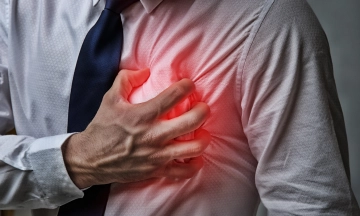
A diagnosis of heart failure
12 Mar 2024
The aorta, the largest artery
25 Aug 2023
A healthy heart is essential
23 Aug 2023
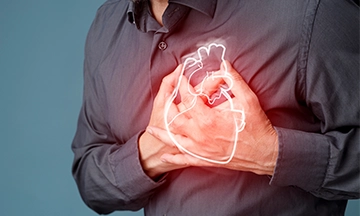
Understanding Heart Failure Heart failure is
14 Aug 2023

Beriberi is also known as
28 Apr 2022
Atrial Fibrillation is a condition
9 Jun 2021

Making resolutions every New Year
17 Jun 2020

Smoking: Should I Use Nicotine
13 Jan 2020

Traveling And Driving After A
10 Jan 2020

Metabolic Syndrome A metabolic syndrome is
10 Jan 2020
Coronary angioplasty has evolved over
9 Jan 2019
Aortic valve surgery is one
27 Nov 2018

What is Coronary Angiography? Coronary angiography
10 Dec 2016
What is a Heart
10 Dec 2016
What is Unstable Angina? Unstable angina
10 Dec 2016
What is Angina? Angina is the
10 Dec 2016

Dr. Jagdish from
9 Jul 2016

Trans fat raises
9 Oct 2015
The first hour
6 Oct 2015
Protecting your heart
25 Sep 2015
Are
24 Feb 2015
What is Cardiac LIS (Least
14 Jan 2015
We’ve
15 Sep 2014

The Center of
8 Jul 2014
Metabolic Syndrome A metabolic syndrome is
1 Jun 2016
Enquire Now