
Home/Wellness Zone/Sakra Blogs

25th Sep, 2015
Protecting your heart as you age depends on making healthy choices when you are younger. Adopting healthy lifestyles at a young age prevents lifestyle diseases like obesity, diabetes, high blood pressure and high cholesterol which eventually lead to heart diseases.
Childhood obesity increases chances of obesity later in life .Therefore children should be encouraged to have more outdoor physical activities and should avoid junk food. Teenagers should inculcate a regular exercise regimen and they should be educated about the ills of smoking and alcohol.
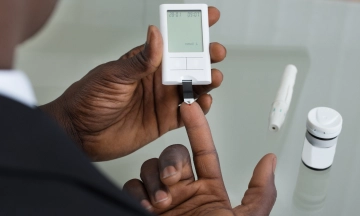
20s are the age in which one should have the baseline health parameters like blood sugar, blood pressure and cholesterol checked, particularly if there is family history of heart diseases. If one has picked up smoking as a teenager, it is time to quit. Regular exercises should continue.
The 30s are about juggling family life and career .This leaves many adults with little time to worry about their hearts. Make an effort to balance all three.
Make heart-healthy living a family affair. Create and sustain heart-healthy habits in your kids and you’ll reap the benefits, too. Spend less time on the couch and more time on the move. Explore a nearby park on foot or bike. Take your pet for a walk. Plant a vegetable and fruit garden if you have space, and invite your kids into the kitchen to help cook.
Know your family history. Having a relative with heart disease increases your risk, and more so if the relative is a parent or sibling.That means you need to focus on risk factors you can control by maintaining a healthy weight, exercising regularly, not smoking and eating right. Also, keep your doctor informed about any heart problems you learn about in your family.
Tame your stress. Long-term stress causes an increase in heart rate and blood pressure that may damage the artery walls. Learning stress management techniques not only benefits your body, but also your quality of life. Try deep breathing exercises and yoga and find time each day to do something you enjoy.
Volunteering and working for community causes also does wonders reducing stress.
In the 40s body metabolism begins to slow down. In India we need to make heart health a priority from a very early age , because we are prone for premature atherosclerosis. Healthy choices you make now can strengthen your heart for the long haul. Understand why you need to make a lifestyle change and have the confidence to make it.
Watch your weight. But you can avoid weight gain by following a heart-healthy diet and getting plenty of exercise. The trick is to find a workout routine you enjoy.
If you need motivation to get moving, find a workout buddy.
Have your blood sugar level checked regularly . In addition to blood pressure checks and other heart-health screenings, you should have a fasting blood glucose test.
You should have every three years. Testing may be done earlier or more often if you are overweight, diabetic or at risk for becoming diabetic.
Don’t ignore snoring. Listen to your sleeping partner’s complaints about your snoring and get yourself tested for sleep apnoea.
One in five adults has at least mild sleep apnea, a condition that causes pauses in breathing during sleep. If not properly treated, sleep apnea can contribute to high blood pressure, heart disease and stroke.
Unlike the emergence of wrinkles and gray hair, what you can’t see as you get older is the impact aging has on your heart. So starting in the 50s, you need to take extra steps.
Eat a healthy diet. It’s easy to slip into some unhealthy eating habits, so refresh your eating habits by eating plenty of fruits and vegetables, fiber-rich whole grains, fish (preferably oily fish-at least twice per week), nuts, legumes and seeds and try eating some meals without meat.
Learn the warning signs of a heart attack and stroke. Now is the time to get savvy about symptoms. Not everyone experiences sudden numbness with a stroke or severe chest pain with a heart attack. And heart attack symptoms in women can be different than men.
Follow your treatment plan. By now, you may have been diagnosed with high blood pressure, high cholesterol, diabetes or other conditions that increase your risk for heart disease or stroke. Lower your risk by following your prescribed treatment plan, including medications and lifestyle and diet changes.
With age comes an increased risk for heart disease. Your blood pressure, cholesterol and other heart-related numbers tend to rise. Watching your numbers closely and managing any health problems that arise — along with the requisite healthy eating and exercise — can help you live longer and better.
Have an ankle-brachial index test. Starting in your 60s, it's a good idea to get an ankle-brachial index test as part of a physical exam.
The test assesses the pulses in the feet to help diagnose peripheral artery disease (PAD), a lesser-known cardiovascular disease in which plaque builds up in the leg arteries.
Watch your weight. Your body needs fewer calories as you get older. Excess weight causes your heart to work harder and increases the risk for heart disease, high blood pressure, diabetes and high cholesterol. Exercising regularly and eating smaller portions of nutrient-rich foods may help you maintain a healthy weight.
Learn the warning signs of a heart attack and stroke. Heart attack symptoms in women can be different than men. Knowing when you’re having a heart attack or stroke means you’re more likely to get immediate help. Quick treatment can save your life and prevent serious disability.

Left bundle branch block
3 Sep 2026

The heart is a
10 Aug 2026
Triple Vessel Disease (TVD)
10 Aug 2026

Many everyday habits may seem
8 Jun 2026
When someone suddenly notices
19 May 2026

An arrhythmia happens when
19 May 2026

Feeling tired after a long
19 May 2026

Sleep is not just
24 Mar 2026

Heart disease doesn’t usually
6 Mar 2026

Chest pain is one
6 Mar 2026

Heart failure affects
1 Dec 2025

Heart disease doesn’t usually
1 Dec 2025

Chest pain is one
1 Dec 2025

Feeling a tight sensation in
30 Jul 2025

The terms heart rate and
30 Jul 2025
Heart-related conditions are on the
23 Jun 2025

When it comes to protecting
23 Jun 2025
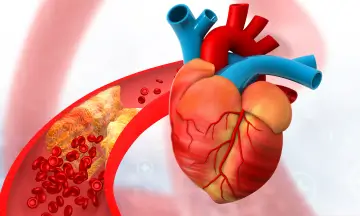
Coronary Artery Disease occurs when
23 Jun 2025
Heart disease doesn’t happen overnight—and
23 Jun 2025
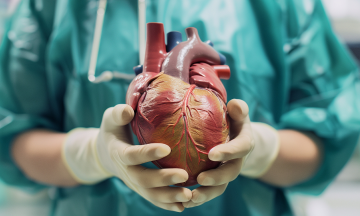
A heart transplant is a
12 May 2025

HF is the inability of
7 Aug 2024
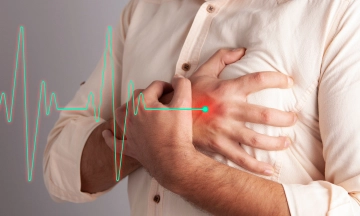
Heart failure is a serious
6 May 2024

Cardiac arrest is a sudden
6 May 2024
In the realm of chronic
6 May 2024
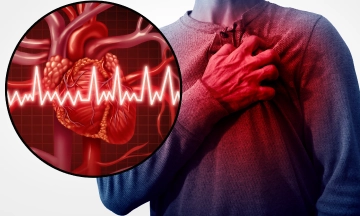
A heart attack, also known
6 May 2024
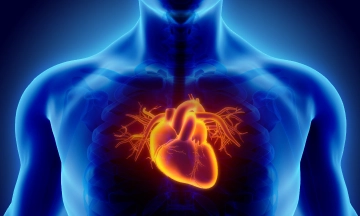
The human heart is a
15 Mar 2024

In the realm of advanced
12 Mar 2024

A diagnosis of heart failure
12 Mar 2024
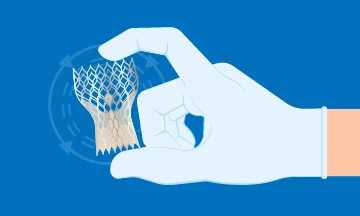
The aorta, the largest artery
25 Aug 2023
A healthy heart is essential
23 Aug 2023

Understanding Heart Failure Heart failure is
14 Aug 2023

Beriberi is also known as
28 Apr 2022

Atrial Fibrillation is a condition
9 Jun 2021

Making resolutions every New Year
17 Jun 2020
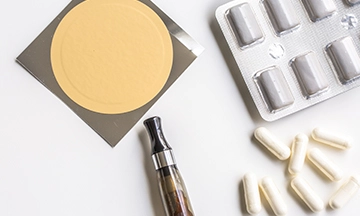
Smoking: Should I Use Nicotine
13 Jan 2020

Traveling And Driving After A
10 Jan 2020

Metabolic Syndrome A metabolic syndrome is
10 Jan 2020
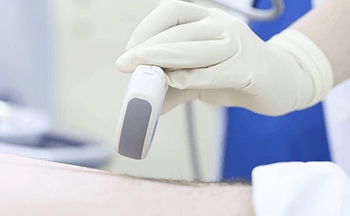
Coronary angioplasty has evolved over
9 Jan 2019
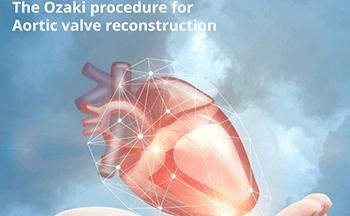
Aortic valve surgery is one
27 Nov 2018

What is Coronary Angiography? Coronary angiography
10 Dec 2016

What is a Heart
10 Dec 2016
What is Unstable Angina? Unstable angina
10 Dec 2016

What is Angina? Angina is the
10 Dec 2016
Dr. Jagdish from
9 Jul 2016

Trans fat raises
9 Oct 2015

The first hour
6 Oct 2015

Protecting your heart
25 Sep 2015
Are
24 Feb 2015
What is Cardiac LIS (Least
14 Jan 2015

We’ve
15 Sep 2014

The Center of
8 Jul 2014

Metabolic Syndrome A metabolic syndrome is
1 Jun 2016
Enquire Now