
Home/Wellness Zone/Sakra Blogs

10th Aug, 2026
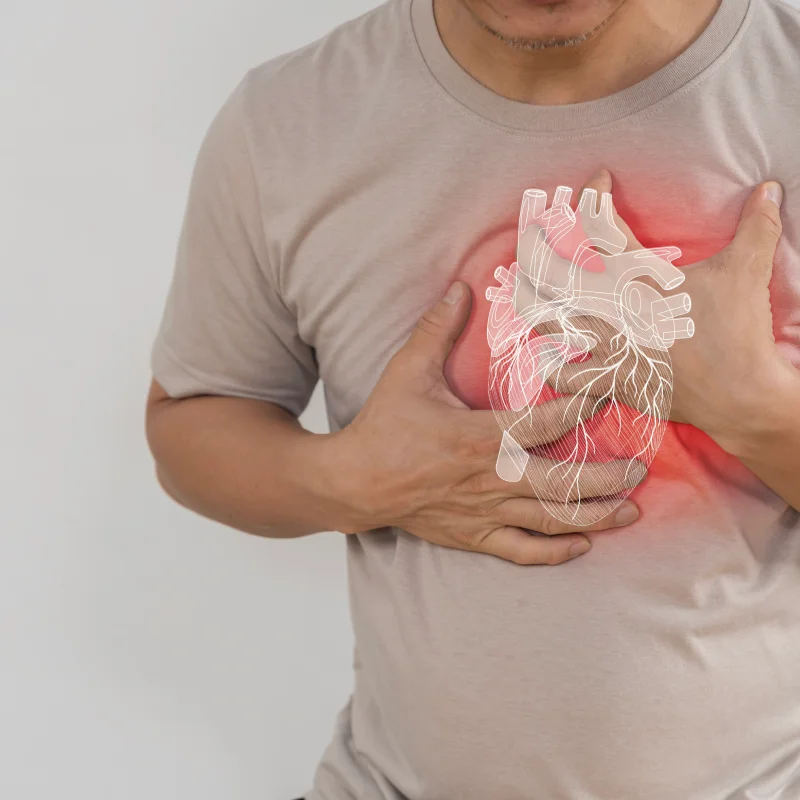
Triple Vessel Disease (TVD) is a serious form of coronary artery disease where all three major coronary arteries that supply blood to the heart become narrowed or blocked. This condition can significantly reduce blood flow to the heart muscle, increasing the risk of heart attack and other life-threatening complications. Early diagnosis and timely treatment are crucial to prevent severe outcomes.
Triple Vessel Disease occurs when there is significant blockage in the three main coronary arteries: the left anterior descending artery, the left circumflex artery, and the right coronary artery. These arteries are responsible for delivering oxygen-rich blood to the heart, and when all three are affected, the heart’s ability to function properly is compromised.
Symptoms of Triple Vessel Disease can range from mild discomfort to severe chest pain, and in some cases, may not be obvious until the condition becomes advanced. Recognizing these signs early can help in seeking timely medical care.
Chest pain or discomfort (angina), especially during physical activity or stress
Shortness of breath due to reduced blood flow to the heart
Fatigue or weakness, even with minimal exertion
Pain radiating to the arms, neck, jaw, or back
Dizziness or lightheadedness
Irregular heartbeat or palpitations
In severe cases, symptoms of a heart attack such as intense chest pressure, sweating, and nausea
The primary cause of Triple Vessel Disease is atherosclerosis, a condition where fatty deposits build up inside the arteries. Several risk factors contribute to this process.
High cholesterol levels leading to plaque buildup in arteries
High blood pressure, which damages artery walls over time
Diabetes, increasing the risk of vascular damage
Smoking, which reduces oxygen supply and damages blood vessels
Obesity and sedentary lifestyle
Unhealthy diet high in saturated fats and processed foods
Family history of heart disease
Increasing age, especially in men over 45 and women over 55
Accurate diagnosis is essential to determine the severity of the disease and plan the right treatment approach. Doctors use a combination of clinical evaluation and diagnostic tests.
Physical examination and detailed medical history
Electrocardiogram (ECG) to assess heart rhythm and detect abnormalities
Stress test to evaluate how the heart performs under physical exertion
Echocardiogram to assess heart structure and function
Coronary angiography, which is the gold standard test to visualize blockages in coronary arteries
CT coronary angiogram as a non-invasive imaging option in some cases
Treatment depends on the severity of the blockages and the patient’s overall health. The goal is to restore blood flow, relieve symptoms, and prevent complications.
Lifestyle Modifications: Healthy lifestyle changes are the foundation of treatment. This includes a balanced diet, regular exercise, quitting smoking, and maintaining a healthy weight.
Medications: Doctors may prescribe medications to manage symptoms and reduce risk factors. These include blood thinners, cholesterol-lowering drugs (statins), beta-blockers, and medications to control blood pressure and diabetes.
Angioplasty and Stenting: In some cases, a minimally invasive procedure called angioplasty is performed to open blocked arteries. A stent may be placed to keep the artery open and improve blood flow.
Coronary Artery Bypass Grafting (CABG): CABG is often the preferred treatment for Triple Vessel Disease. It involves creating new pathways for blood to flow around the blocked arteries using grafts from other parts of the body.
If left untreated, Triple Vessel Disease can lead to serious complications.
Heart attack due to complete blockage of blood flow
Heart failure caused by reduced heart function
Arrhythmias (irregular heart rhythms)
Reduced quality of life due to persistent symptoms
While not all cases can be prevented, adopting a heart-healthy lifestyle can significantly reduce the risk.
Eat a balanced diet rich in fruits, vegetables, and whole grains
Exercise regularly for at least 30 minutes most days
Avoid smoking and limit alcohol intake
Manage stress effectively
Keep blood pressure, cholesterol, and blood sugar under control
Get regular health check-ups
Triple Vessel Disease is a serious heart condition that requires early diagnosis and proper management. With the right combination of lifestyle changes, medications, and advanced treatments, many patients can lead a healthier and more active life.
1. What is Triple Vessel Disease?
It is a condition where all three major coronary arteries are significantly blocked. This reduces blood supply to the heart and increases the risk of heart attack.
2. Is Triple Vessel Disease serious?
Yes, it is a severe form of coronary artery disease. It requires prompt medical attention to prevent complications.
3. Can Triple Vessel Disease be treated without surgery?
Mild cases may be managed with medications and lifestyle changes. However, many patients require procedures like angioplasty or bypass surgery.
4. What is the best treatment for Triple Vessel Disease?
Coronary artery bypass surgery (CABG) is often considered the most effective treatment. The choice depends on the patient’s condition and doctor’s evaluation.
5. Can Triple Vessel Disease be prevented?
While it cannot always be prevented, a healthy lifestyle can significantly lower the risk. Managing cholesterol, blood pressure, and diabetes is essential.

Left bundle branch block
3 Sep 2026

The heart is a
10 Aug 2026
Triple Vessel Disease (TVD)
10 Aug 2026

Many everyday habits may seem
8 Jun 2026

When someone suddenly notices
19 May 2026

An arrhythmia happens when
19 May 2026

Feeling tired after a long
19 May 2026

Sleep is not just
24 Mar 2026

Heart disease doesn’t usually
6 Mar 2026

Chest pain is one
6 Mar 2026

Heart failure affects
1 Dec 2025

Heart disease doesn’t usually
1 Dec 2025

Chest pain is one
1 Dec 2025

Feeling a tight sensation in
30 Jul 2025

The terms heart rate and
30 Jul 2025
Heart-related conditions are on the
23 Jun 2025

When it comes to protecting
23 Jun 2025
Coronary Artery Disease occurs when
23 Jun 2025

Heart disease doesn’t happen overnight—and
23 Jun 2025
A heart transplant is a
12 May 2025

HF is the inability of
7 Aug 2024
Heart failure is a serious
6 May 2024

Cardiac arrest is a sudden
6 May 2024

In the realm of chronic
6 May 2024
A heart attack, also known
6 May 2024
The human heart is a
15 Mar 2024
In the realm of advanced
12 Mar 2024

A diagnosis of heart failure
12 Mar 2024
The aorta, the largest artery
25 Aug 2023

A healthy heart is essential
23 Aug 2023

Understanding Heart Failure Heart failure is
14 Aug 2023

Beriberi is also known as
28 Apr 2022

Atrial Fibrillation is a condition
9 Jun 2021

Making resolutions every New Year
17 Jun 2020

Smoking: Should I Use Nicotine
13 Jan 2020

Traveling And Driving After A
10 Jan 2020

Metabolic Syndrome A metabolic syndrome is
10 Jan 2020
Coronary angioplasty has evolved over
9 Jan 2019
Aortic valve surgery is one
27 Nov 2018
What is Coronary Angiography? Coronary angiography
10 Dec 2016

What is a Heart
10 Dec 2016
What is Unstable Angina? Unstable angina
10 Dec 2016

What is Angina? Angina is the
10 Dec 2016

Dr. Jagdish from
9 Jul 2016

Trans fat raises
9 Oct 2015

The first hour
6 Oct 2015

Protecting your heart
25 Sep 2015
Are
24 Feb 2015
What is Cardiac LIS (Least
14 Jan 2015

We’ve
15 Sep 2014

The Center of
8 Jul 2014

Metabolic Syndrome A metabolic syndrome is
1 Jun 2016
Enquire Now