
Home/Wellness Zone/Sakra Blogs

24th Mar, 2026

Sleep is not just a period of rest—it is a vital biological process that allows your body to repair, recharge, and regulate essential functions. On World Sleep Day, it’s important to understand how sleep impacts key systems in the body, including the heart, brain, and hormones.
Poor sleep or chronic sleep deprivation can silently affect your health, increasing the risk of serious conditions such as heart disease, cognitive decline, and hormonal imbalance.
Sleep plays a critical role in maintaining physical and mental well-being. During sleep, the body undergoes processes like:
Tissue repair and muscle growth
Memory consolidation
Hormone regulation
Immune system strengthening
Adults typically need 7–9 hours of quality sleep each night for optimal health.
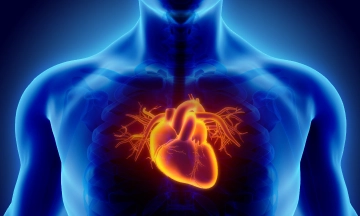
Lack of sleep can significantly impact cardiovascular health.
Increased risk of high blood pressure
Elevated heart rate
Higher risk of heart disease and stroke
During deep sleep, your heart rate and blood pressure naturally decrease, allowing your cardiovascular system to rest. Chronic sleep deprivation disrupts this process, putting extra strain on the heart.
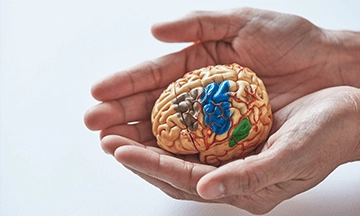
The brain relies on sleep to function properly.
Impaired memory and concentration
Reduced decision-making ability
Increased risk of anxiety and depression
Sleep helps the brain process information and remove toxins that accumulate during the day. Poor sleep can lead to mental fatigue and reduced cognitive performance.
Sleep is closely linked to hormone production and balance.
Melatonin – regulates sleep-wake cycles
Cortisol – stress hormone; increases with poor sleep
Insulin – affects blood sugar control
Leptin & Ghrelin – regulate hunger and appetite
Disrupted sleep can lead to hormonal imbalance, contributing to weight gain, diabetes, and metabolic disorders.
Your body often gives clear signals when you’re not getting enough rest:
Difficulty waking up in the morning
Daytime fatigue and sleepiness
Poor concentration
Irritability or mood swings
Frequent headaches
Chronic sleep deprivation is linked to:
Depression and anxiety
Weakened immunity
Maintain a Consistent Sleep Schedule
Go to bed and wake up at the same time daily.
Create a Sleep-Friendly Environment
Keep your bedroom cool, dark, and quiet.
Limit Screen Time
Avoid electronic devices at least 1 hour before bedtime.
Eat Light at Night
Avoid heavy meals, caffeine, and alcohol in the evening.
Stay Active
Regular physical activity helps improve sleep quality.
Consult a healthcare professional if:
You have persistent difficulty sleeping
You feel tired despite adequate sleep
You experience loud snoring or breathing issues during sleep
Sleep problems affect your daily life
At Sakra World Hospital, we offer comprehensive evaluation and treatment for sleep-related disorders. Our specialists provide:
Sleep assessments and diagnostics
Management of insomnia and sleep apnea
Lifestyle and behavioral guidance
Multidisciplinary care for related conditions
Early diagnosis and treatment can significantly improve sleep quality and overall health.
On World Sleep Day, it’s a reminder that sleep is not a luxury—it’s a necessity. From supporting heart health to enhancing brain function and maintaining hormonal balance, quality sleep plays a crucial role in your well-being.
Prioritize your sleep, adopt healthy habits, and seek medical advice if needed to ensure a healthier, more energized life.
1. Why is sleep important for heart health?
Sleep helps regulate blood pressure and heart rate, reducing the risk of cardiovascular diseases.
2. Can lack of sleep affect brain function?
Yes, poor sleep can impair memory, concentration, and decision-making abilities.
3. How does sleep impact hormones?
Sleep regulates hormones like cortisol, insulin, and appetite hormones, affecting metabolism and stress levels.
4. How many hours of sleep do adults need?
Most adults need 7–9 hours of sleep each night.
5. When should I see a doctor for sleep problems?
If sleep issues persist or affect daily functioning, it’s important to seek medical advice.

Left bundle branch block
3 Sep 2026

The heart is a
10 Aug 2026

Triple Vessel Disease (TVD)
10 Aug 2026

Many everyday habits may seem
8 Jun 2026

When someone suddenly notices
19 May 2026

An arrhythmia happens when
19 May 2026

Feeling tired after a long
19 May 2026

Sleep is not just
24 Mar 2026

Heart disease doesn’t usually
6 Mar 2026

Chest pain is one
6 Mar 2026

Heart failure affects
1 Dec 2025

Heart disease doesn’t usually
1 Dec 2025

Chest pain is one
1 Dec 2025

Feeling a tight sensation in
30 Jul 2025

The terms heart rate and
30 Jul 2025
Heart-related conditions are on the
23 Jun 2025

When it comes to protecting
23 Jun 2025
Coronary Artery Disease occurs when
23 Jun 2025

Heart disease doesn’t happen overnight—and
23 Jun 2025

A heart transplant is a
12 May 2025

HF is the inability of
7 Aug 2024
Heart failure is a serious
6 May 2024

Cardiac arrest is a sudden
6 May 2024
In the realm of chronic
6 May 2024

A heart attack, also known
6 May 2024
The human heart is a
15 Mar 2024
In the realm of advanced
12 Mar 2024

A diagnosis of heart failure
12 Mar 2024
The aorta, the largest artery
25 Aug 2023

A healthy heart is essential
23 Aug 2023

Understanding Heart Failure Heart failure is
14 Aug 2023

Beriberi is also known as
28 Apr 2022
Atrial Fibrillation is a condition
9 Jun 2021
Making resolutions every New Year
17 Jun 2020

Smoking: Should I Use Nicotine
13 Jan 2020

Traveling And Driving After A
10 Jan 2020

Metabolic Syndrome A metabolic syndrome is
10 Jan 2020
Coronary angioplasty has evolved over
9 Jan 2019
Aortic valve surgery is one
27 Nov 2018

What is Coronary Angiography? Coronary angiography
10 Dec 2016

What is a Heart
10 Dec 2016
What is Unstable Angina? Unstable angina
10 Dec 2016

What is Angina? Angina is the
10 Dec 2016

Dr. Jagdish from
9 Jul 2016

Trans fat raises
9 Oct 2015

The first hour
6 Oct 2015

Protecting your heart
25 Sep 2015
Are
24 Feb 2015
What is Cardiac LIS (Least
14 Jan 2015

We’ve
15 Sep 2014

The Center of
8 Jul 2014

Metabolic Syndrome A metabolic syndrome is
1 Jun 2016
Enquire Now