
Home/Wellness Zone/Sakra Blogs

19th May, 2026

An arrhythmia happens when the heart doesn’t beat in a regular rhythm. It may beat too fast, too slow, or unevenly. Many people ignore early signs, but an abnormal heartbeat can be a warning that the heart is under stress or not working as it should. Understanding heart arrhythmia, what causes it, and when to seek help is important for your overall heart health.
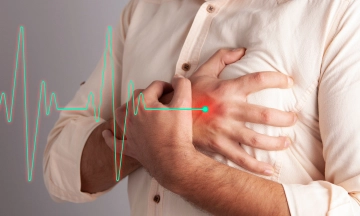
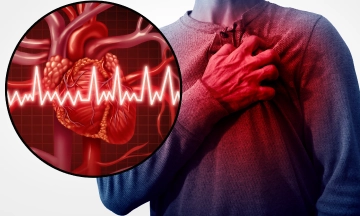
A heart arrhythmia is a condition where the heart’s electrical signals don’t work properly, causing an irregular rhythm. Some arrhythmias are harmless, while others can be serious and may require urgent care. People often describe it as fluttering, pounding, or skipping beats.
Irregular heartbeat symptoms can vary from mild to severe. Common signs include:
Fluttering sensation in the chest
Slow or fast heartbeat
Chest pain or discomfort
Shortness of breath
Dizziness or lightheadedness
Fatigue even with light activity
Fainting episodes
If these symptoms appear suddenly or frequently, it’s important not to ignore them.
There are many causes of irregular heartbeat, and sometimes more than one factor is involved. Common causes include:
High blood pressure
Coronary artery disease
Thyroid disorders
Excessive caffeine or alcohol
Stress and anxiety
Smoking
Electrolyte imbalance
Certain medications
Heart muscle damage after a heart attack
Understanding these causes can help you make lifestyle changes and manage your risks better.
Arrhythmia treatment depends on the type of arrhythmia and how severe the symptoms are. Treatment options may include:
Medication
Doctors often prescribe medicines to control heart rate, prevent clots, or stabilize the rhythm.
Medical Procedures
Some people may need:
Cardioversion to reset the heart rhythm
Pacemakers for a slow heartbeat
Ablation therapy to destroy problematic electrical pathways
Implantable devices for high-risk patients
Lifestyle Management
Limiting caffeine and alcohol
Quitting smoking
Managing stress
Treating underlying conditions like thyroid problems or high blood pressure
Many people search for “how I cured my arrhythmia,” but the truth is that treatment depends on the cause. Some arrhythmias improve with lifestyle changes, proper medication, or procedures like ablation. Others need long-term monitoring. Early diagnosis and consistent follow-up give the best results.
A heart arrhythmia should never be ignored, especially if you notice recurring palpitations, dizziness, or breathing difficulty. Understanding irregular heartbeat symptoms, common causes, and available arrhythmia treatment options can help you stay ahead of serious complications. If you feel something unusual with your heartbeat, it’s safest to get it checked early.
1. Is arrhythmia life-threatening?
Some arrhythmias are harmless, but others can lead to stroke, heart failure, or sudden cardiac arrest. A proper diagnosis is important.
2. Can stress cause arrhythmia?
Yes. Stress, anxiety, and panic attacks can trigger or worsen irregular heartbeats.
3. What is the best treatment for arrhythmia?
Treatment varies. Medications, ablation therapy, cardioversion, or pacemakers may be recommended depending on the type of arrhythmia.
4. Can lifestyle changes fix arrhythmia?
In some people, reducing caffeine, quitting smoking, managing stress, and treating underlying conditions can help improve symptoms.
5. When should I see a doctor for an irregular heartbeat?
If you feel chest discomfort, dizziness, frequent palpitations, or fainting, seek medical attention immediately

Left bundle branch block
3 Sep 2026

The heart is a
10 Aug 2026
Triple Vessel Disease (TVD)
10 Aug 2026

Many everyday habits may seem
8 Jun 2026
When someone suddenly notices
19 May 2026

An arrhythmia happens when
19 May 2026

Feeling tired after a long
19 May 2026

Sleep is not just
24 Mar 2026

Heart disease doesn’t usually
6 Mar 2026

Chest pain is one
6 Mar 2026

Heart failure affects
1 Dec 2025

Heart disease doesn’t usually
1 Dec 2025
Chest pain is one
1 Dec 2025
Feeling a tight sensation in
30 Jul 2025

The terms heart rate and
30 Jul 2025
Heart-related conditions are on the
23 Jun 2025

When it comes to protecting
23 Jun 2025
Coronary Artery Disease occurs when
23 Jun 2025
Heart disease doesn’t happen overnight—and
23 Jun 2025
A heart transplant is a
12 May 2025

HF is the inability of
7 Aug 2024
Heart failure is a serious
6 May 2024

Cardiac arrest is a sudden
6 May 2024
In the realm of chronic
6 May 2024
A heart attack, also known
6 May 2024
The human heart is a
15 Mar 2024
In the realm of advanced
12 Mar 2024
A diagnosis of heart failure
12 Mar 2024
The aorta, the largest artery
25 Aug 2023
A healthy heart is essential
23 Aug 2023
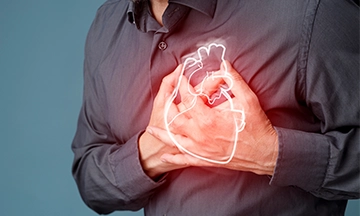
Understanding Heart Failure Heart failure is
14 Aug 2023

Beriberi is also known as
28 Apr 2022
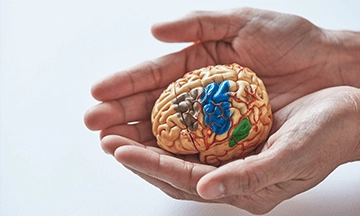
Atrial Fibrillation is a condition
9 Jun 2021

Making resolutions every New Year
17 Jun 2020

Smoking: Should I Use Nicotine
13 Jan 2020

Traveling And Driving After A
10 Jan 2020

Metabolic Syndrome A metabolic syndrome is
10 Jan 2020
Coronary angioplasty has evolved over
9 Jan 2019
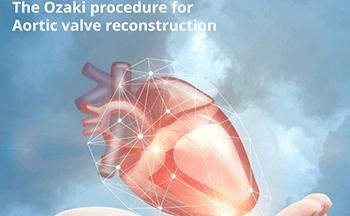
Aortic valve surgery is one
27 Nov 2018

What is Coronary Angiography? Coronary angiography
10 Dec 2016

What is a Heart
10 Dec 2016
What is Unstable Angina? Unstable angina
10 Dec 2016
What is Angina? Angina is the
10 Dec 2016

Dr. Jagdish from
9 Jul 2016

Trans fat raises
9 Oct 2015
The first hour
6 Oct 2015
Protecting your heart
25 Sep 2015
Are
24 Feb 2015
What is Cardiac LIS (Least
14 Jan 2015

We’ve
15 Sep 2014

The Center of
8 Jul 2014

Metabolic Syndrome A metabolic syndrome is
1 Jun 2016
Enquire Now