
Home/Wellness Zone/Sakra Blogs

19th May, 2026

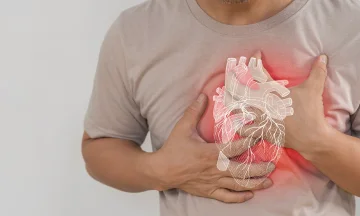
Feeling tired after a long day is normal, but constant or unexplained fatigue could be a warning sign of something more serious. In some cases, it may be linked to heart problems.
Understanding the connection between heart disease and fatigue can help you recognize early symptoms and seek timely medical care.
Fatigue caused by heart disease is different from regular tiredness. It often feels more intense, lasts longer, and doesn’t improve much even after proper rest.
When your heart cannot pump blood efficiently, your body receives less oxygen and nutrients, which leads to ongoing tiredness and low energy levels.
When the heart is not functioning properly, it directly affects your body’s energy supply:
Reduced oxygen supply:
The heart is unable to pump enough oxygen-rich blood to the muscles and organs, leading to constant tiredness and weakness.
Poor circulation:
Slower blood flow means your body has to work harder even for simple activities, making you feel exhausted quickly.
Increased workload on the heart:
The heart has to pump harder to compensate, which can drain your energy and leave you feeling fatigued throughout the day.
If your fatigue is related to heart disease, it is often accompanied by other noticeable symptoms:
Persistent tiredness:
You may feel drained all the time, even after a full night’s sleep or minimal physical activity.
Shortness of breath:
You might feel breathless during routine tasks like walking, climbing stairs, or even while resting in severe cases.
Swelling (edema):
Fluid buildup in the legs, ankles, or feet can occur due to poor circulation, often making you feel heavy and uncomfortable.
Chest discomfort:
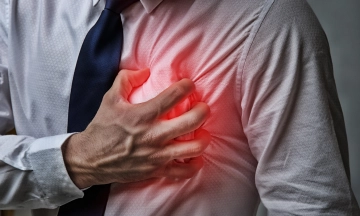
A feeling of pressure, tightness, or pain in the chest may indicate reduced blood flow to the heart.
Rapid or irregular heartbeat:
You may notice palpitations, fluttering, or a racing heart, especially during mild activity or stress.
Some individuals are more likely to experience heart disease and related fatigue:
High blood pressure:
Puts extra strain on the heart over time, reducing its efficiency.
Diabetes:
Can damage blood vessels and affect proper circulation.
Smoking:
Reduces oxygen levels in the blood and damages the heart and lungs.
Obesity:
Increases the workload on the heart and reduces overall stamina.
Sedentary lifestyle:
Lack of physical activity weakens heart function and energy levels.
Family history:
Genetic factors can increase your risk of heart-related conditions.
You should not ignore fatigue if it shows these warning signs:
Severe or long-lasting fatigue:
If tiredness continues for days or weeks without improvement.
Fatigue despite proper rest:
Feeling exhausted even after sleeping well may indicate an underlying issue.
Associated symptoms:
Breathlessness, chest pain, dizziness, or swelling, along with fatigue need medical attention.
Reduced ability to perform daily tasks:
If normal activities feel unusually difficult or exhausting.
Taking care of your heart can significantly improve your energy levels:
Healthy diet:
Eating fruits, vegetables, whole grains, and low-fat foods supports heart health and boosts energy.
Regular exercise:
Light to moderate physical activity improves circulation and strengthens the heart over time.
Stress management:
Techniques like yoga, meditation, or deep breathing help reduce strain on the heart.
Quit smoking:
Stopping smoking improves oxygen supply and overall cardiovascular health.
Follow medical advice:
Taking prescribed medications and attending regular check-ups helps manage heart conditions effectively.
Fatigue is often overlooked, but it can be an important warning sign of heart disease. If you notice persistent tiredness along with other symptoms, it’s important to take it seriously.
Understanding the link between heart disease and fatigue allows you to act early, manage risks, and protect your overall health.
1. Can heart disease cause extreme fatigue?
Yes, reduced blood flow and oxygen delivery can make you feel constantly tired.
2. Is fatigue always related to heart problems?
No, fatigue can have many causes, but when combined with other symptoms, it may be heart-related.
3. How can I reduce fatigue caused by heart disease?
Lifestyle changes, proper treatment, and regular medical care can help improve energy levels.
4. When should I be concerned about fatigue?
If it is persistent, severe, or accompanied by symptoms like breathlessness or chest pain.
5. Can exercise help with heart-related fatigue?
Yes, regular and doctor-approved exercise can improve heart function and reduce fatigue.

Left bundle branch block
3 Sep 2026

The heart is a
10 Aug 2026
Triple Vessel Disease (TVD)
10 Aug 2026

Many everyday habits may seem
8 Jun 2026

When someone suddenly notices
19 May 2026

An arrhythmia happens when
19 May 2026

Feeling tired after a long
19 May 2026

Sleep is not just
24 Mar 2026

Heart disease doesn’t usually
6 Mar 2026

Chest pain is one
6 Mar 2026

Heart failure affects
1 Dec 2025

Heart disease doesn’t usually
1 Dec 2025

Chest pain is one
1 Dec 2025

Feeling a tight sensation in
30 Jul 2025

The terms heart rate and
30 Jul 2025
Heart-related conditions are on the
23 Jun 2025

When it comes to protecting
23 Jun 2025
Coronary Artery Disease occurs when
23 Jun 2025
Heart disease doesn’t happen overnight—and
23 Jun 2025
A heart transplant is a
12 May 2025

HF is the inability of
7 Aug 2024
Heart failure is a serious
6 May 2024

Cardiac arrest is a sudden
6 May 2024
In the realm of chronic
6 May 2024
A heart attack, also known
6 May 2024
The human heart is a
15 Mar 2024
In the realm of advanced
12 Mar 2024
A diagnosis of heart failure
12 Mar 2024
The aorta, the largest artery
25 Aug 2023
A healthy heart is essential
23 Aug 2023

Understanding Heart Failure Heart failure is
14 Aug 2023

Beriberi is also known as
28 Apr 2022
Atrial Fibrillation is a condition
9 Jun 2021

Making resolutions every New Year
17 Jun 2020

Smoking: Should I Use Nicotine
13 Jan 2020

Traveling And Driving After A
10 Jan 2020

Metabolic Syndrome A metabolic syndrome is
10 Jan 2020

Coronary angioplasty has evolved over
9 Jan 2019
Aortic valve surgery is one
27 Nov 2018

What is Coronary Angiography? Coronary angiography
10 Dec 2016

What is a Heart
10 Dec 2016
What is Unstable Angina? Unstable angina
10 Dec 2016
What is Angina? Angina is the
10 Dec 2016

Dr. Jagdish from
9 Jul 2016

Trans fat raises
9 Oct 2015

The first hour
6 Oct 2015

Protecting your heart
25 Sep 2015
Are
24 Feb 2015
What is Cardiac LIS (Least
14 Jan 2015

We’ve
15 Sep 2014

The Center of
8 Jul 2014

Metabolic Syndrome A metabolic syndrome is
1 Jun 2016
Enquire Now