

Home/Wellness Zone/Sakra Blogs

3rd Sep, 2026
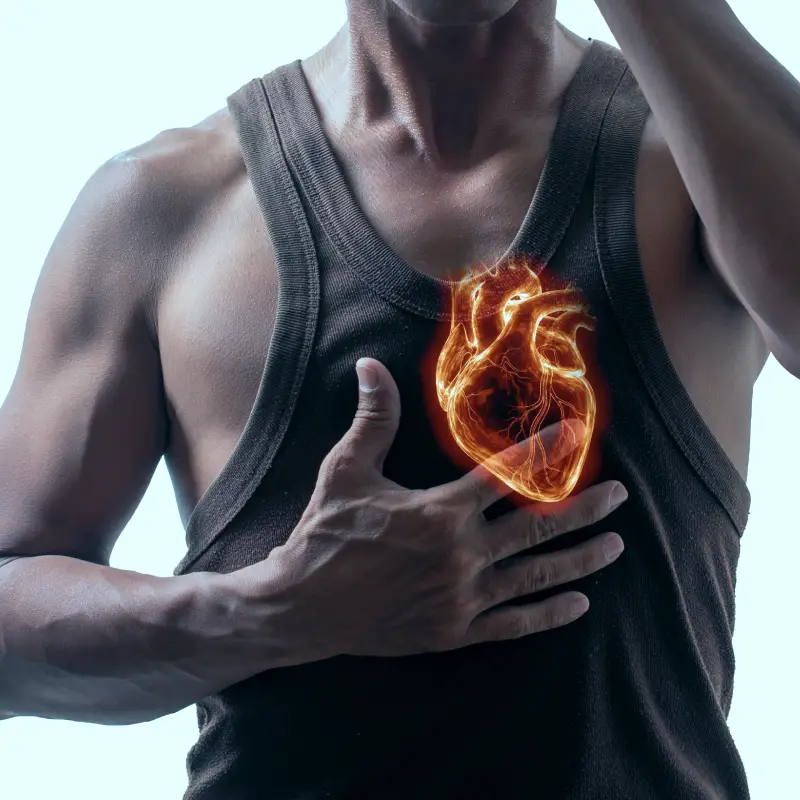
Left bundle branch block (LBBB) is a condition that affects the electrical conduction system of the heart. It occurs when electrical signals are delayed or blocked as they travel through the left bundle branch, causing the left side of the heart to contract later than the right side.
LBBB may be found during a routine electrocardiogram (ECG), sometimes without causing noticeable symptoms. However, because it can be associated with underlying heart conditions, understanding its causes, symptoms, diagnosis and possible connection with heart attack risk is important.
The heart has an electrical system that coordinates each heartbeat. Electrical signals travel through specialized pathways called bundle branches to help the heart chambers contract in a coordinated manner.
In left bundle branch block, the electrical signal does not travel normally through the left bundle branch. Instead, the signal reaches the left ventricle through an alternative pathway, which can make the left ventricle contract later than usual.
A left bundle-branch block does not necessarily mean that a person is having a heart attack. However, it may occur because of an underlying heart condition and therefore may require further evaluation.
LBBB can occur due to changes or damage affecting the heart's electrical conduction system. Some people may have LBBB without an identifiable underlying cause, while others may have an associated cardiovascular condition.
Common causes and associated conditions include:
Coronary artery disease: Reduced blood flow to the heart muscle can affect the electrical conduction system and may be associated with LBBB.
Previous heart attack: Damage to the heart muscle following a myocardial infarction can interfere with normal electrical conduction.
High blood pressure: Long-standing hypertension can cause the heart muscle to become thickened and structurally altered.
Cardiomyopathy: Diseases affecting the heart muscle can interfere with the normal transmission of electrical signals.
Heart failure: Changes in the structure and function of the heart may be associated with conduction abnormalities such as LBBB.
Heart valve disease: Certain valve conditions can place additional strain on the heart and may be associated with conduction problems.
Age-related changes: The heart's conduction system can undergo structural changes with increasing age.
In some cases, particularly in people without symptoms or known heart disease, LBBB may be discovered incidentally during an ECG.
LBBB itself often does not cause symptoms. Many people discover they have the condition only after undergoing an ECG for another reason.
When symptoms occur, they are usually related to an underlying heart condition rather than the electrical block itself. Possible symptoms include:
Shortness of breath
Chest discomfort or chest pain
Dizziness or lightheadedness
Fainting or near-fainting
Unusual tiredness
Reduced ability to tolerate physical activity
A sensation of a fast or irregular heartbeat
Symptoms such as sudden chest pain, severe breathlessness, fainting or unexplained sweating require urgent medical assessment, especially when they occur together.
A common question is, can LBBB cause heart attack? LBBB itself does not directly cause a heart attack. However, it can be associated with conditions such as coronary artery disease that increase the risk of a heart attack.
LBBB can also make an ECG more difficult to interpret for signs of an acute heart attack because the abnormal electrical pattern can obscure certain ECG changes. If someone with LBBB develops symptoms suggestive of a heart attack, doctors may therefore use the ECG along with symptoms, cardiac blood tests and other investigations to determine what is happening.
A newly identified LBBB in a person with concerning symptoms should be evaluated promptly rather than assumed to be harmless.
The relationship between LBBB and heart attack depends on the clinical situation.
LBBB can occur as a result of existing heart disease, including coronary artery disease or previous damage to the heart muscle. In some patients, an acute heart attack can also affect the heart's electrical conduction system and lead to a new conduction abnormality.
Therefore, LBBB heart findings on an ECG should be interpreted in the context of the person's symptoms, medical history and other test results.
LBBB does not automatically mean that a heart attack is occurring, but chest pain or other warning symptoms should never be ignored.
An electrocardiogram (ECG) is the primary test used to identify LBBB. The ECG records the heart's electrical activity and can show the characteristic changes associated with delayed electrical activation of the left ventricle.
Depending on the patient's symptoms and medical history, a doctor may recommend additional tests, such as:
Echocardiogram: An ultrasound examination that evaluates heart structure, pumping function and valves.
Blood tests: Cardiac biomarkers such as troponin may be measured when a heart attack is suspected.
Holter monitoring: A portable ECG device can continuously monitor the heart rhythm over an extended period.
Stress testing: In selected patients, exercise or medication-based testing may help assess how the heart responds to increased workload.
Coronary imaging: Tests such as CT coronary angiography or invasive coronary angiography may be considered when coronary artery disease is suspected.
Cardiac MRI: This can provide detailed information about heart muscle structure, function and areas of previous damage in selected cases.
The choice of testing depends on whether the LBBB is new or longstanding, the person's symptoms, risk factors and the suspected underlying cause.
LBBB can range from an incidental ECG finding to a marker of underlying heart disease. Its significance depends largely on the person's overall cardiovascular health.
For someone with a structurally normal heart and no concerning symptoms, the finding may require monitoring rather than specific treatment. However, LBBB associated with coronary artery disease, cardiomyopathy, heart failure or other heart problems may require more detailed evaluation and treatment.
This is why an ECG finding of LBBB should be assessed by a healthcare professional rather than interpreted in isolation.
There is usually no treatment that directly removes the bundle branch block itself. Instead, treatment focuses on identifying and managing the underlying heart condition, when one is present.
Treatment may include:
Managing high blood pressure, diabetes and high cholesterol
Treating coronary artery disease
Managing heart failure with appropriate medications
Treating underlying heart muscle or valve conditions
Making recommended lifestyle changes
Using a pacemaker or cardiac resynchronization therapy (CRT) in selected patients with specific conduction and heart failure problems
The need for treatment depends on the cause, symptoms, heart function and other findings.
LBBB may sometimes change over time depending on its underlying cause, but persistent LBBB often remains present.
If LBBB is associated with a temporary or treatable condition, the ECG pattern may change after the underlying problem is addressed. However, there is no general treatment that can reliably make chronic LBBB disappear.
Regular follow-up may be recommended to monitor heart function and identify any changes early.
LBBB and a heart attack are different medical conditions.
LBBB is an abnormality in the electrical conduction of the heart, whereas a heart attack occurs when blood flow to part of the heart muscle is blocked or severely reduced.
However, they can occur together. A heart attack may cause conduction abnormalities, and pre-existing LBBB can make certain ECG findings associated with a heart attack more difficult to interpret.
If LBBB is accompanied by symptoms such as chest pressure, pain spreading to the arm, shoulder, back, neck or jaw, severe breathlessness, sweating, nausea or fainting, emergency medical evaluation is important.
Seek emergency medical care if you experience symptoms that could indicate a heart attack or another serious cardiac problem.
These may include:
Sudden or persistent chest pressure, tightness or pain
Pain spreading to the arm, shoulder, back, neck or jaw
Severe shortness of breath
Cold sweating
Sudden dizziness or fainting
Nausea or vomiting along with chest discomfort
New or unexplained severe weakness
Do not assume that these symptoms are caused by LBBB alone. Prompt evaluation can help determine whether there is an acute heart problem.
LBBB can be associated with an increased likelihood of underlying structural or cardiovascular disease, particularly when it occurs alongside other risk factors or abnormal heart function.
The presence of LBBB does not mean that a person will definitely develop a heart attack. Instead, doctors generally focus on identifying conditions that may be contributing to the conduction abnormality and controlling cardiovascular risk factors.
Regular medical follow-up can be particularly important when LBBB occurs with high blood pressure, diabetes, high cholesterol, coronary artery disease or reduced heart function.
If you have been diagnosed with LBBB, maintaining overall cardiovascular health is important. Depending on your individual risk factors, your doctor may recommend:
Keeping blood pressure within the recommended range
Monitoring and managing cholesterol levels
Managing diabetes effectively
Avoiding tobacco products
Maintaining a healthy weight
Following a heart-healthy eating pattern
Staying physically active as advised by your healthcare professional
Taking prescribed medications regularly
Attending recommended follow-up appointments
The appropriate level of physical activity should be discussed with your doctor if you have symptoms, heart failure or other significant heart disease.
Left bundle branch block is an electrical conduction abnormality in which signals travel abnormally through the left side of the heart. Many people with LBBB have no symptoms, but the finding can sometimes be associated with conditions such as coronary artery disease, cardiomyopathy or heart failure.
Can LBBB cause heart attack? LBBB itself does not directly cause a heart attack, but it may be associated with underlying cardiovascular disease and can make ECG interpretation more challenging when a heart attack is suspected. If LBBB is accompanied by chest pain, breathlessness, fainting or other concerning symptoms, urgent medical evaluation is essential.
1. What is left bundle branch block?
Left bundle branch block is an electrical conduction abnormality in which electrical signals are delayed or blocked along the left bundle branch of the heart.
2. Can LBBB cause a heart attack?
LBBB itself does not directly cause a heart attack. However, it can be associated with underlying heart conditions that increase cardiovascular risk.
3. Is left bundle branch block dangerous?
LBBB may be harmless in some people but can also be associated with underlying heart disease. Its significance depends on heart function, symptoms and other medical findings.
4. What are the symptoms of LBBB?
LBBB often causes no symptoms. When symptoms occur, they may include breathlessness, dizziness, fainting, chest discomfort or reduced exercise tolerance.
5. Can LBBB be detected on an ECG?
Yes. An ECG is the main test used to identify left bundle branch block and assess the heart's electrical activity.
6. Does LBBB mean I am having a heart attack?
No. LBBB does not automatically mean that a heart attack is occurring. However, new LBBB accompanied by symptoms such as chest pain or severe breathlessness requires prompt medical assessment.

Left bundle branch block (LBBB) is a condition that affects the electrical conduction system of the heart. It occurs when electrical signals are delayed or blocked as they travel through the left bundle branch, causing the left side of
3 Sep 2026
The heart is a strong, muscular organ that continuously pumps blood throughout the body. Its rhythmic contractions ensure that oxygen, nutrients, and hormones are delivered to tissues while waste products are removed efficiently. What are Heart Muscles? Heart muscles,
10 Aug 2026
Triple Vessel Disease (TVD) is a serious form of coronary artery disease where all three major coronary arteries that supply blood to the heart become narrowed or blocked. This condition can significantly reduce blood flow to the heart muscle,
10 Aug 2026

Many everyday habits may seem harmless but can significantly increase your risk of heart disease. 1st heart risk, you're ignoring your family history, assuming genetics won't catch up with you. 2nd heart risk, you're stress-eating processed foods loaded with trans fats
8 Jun 2026

When someone suddenly notices their hands or feet turning blue for no reason, it can be alarming. This bluish skin tint is known as cyanosis. It happens when the blood does not carry enough oxygen, causing the skin, lips,
19 May 2026
An arrhythmia happens when the heart doesn’t beat in a regular rhythm. It may beat too fast, too slow, or unevenly. Many people ignore early signs, but an abnormal heartbeat can be a warning that the heart is under
19 May 2026

Feeling tired after a long day is normal, but constant or unexplained fatigue could be a warning sign of something more serious. In some cases, it may be linked to heart problems. Understanding the connection between heart disease and fatigue
19 May 2026

Sleep is not just a period of rest—it is a vital biological process that allows your body to repair, recharge, and regulate essential functions. On World Sleep Day, it’s important to understand how sleep impacts key systems in the
24 Mar 2026

Heart disease doesn’t usually appear suddenly. In many people, it starts with small clues that are easy to overlook. These signs may feel unrelated at first, but together they can point toward early heart trouble. Understanding the warning signs
6 Mar 2026

Chest pain is one of those symptoms that can mean many different things. It might be something simple like acidity, or something serious like a heart attack. The feeling can range from a mild burn to a heavy
6 Mar 2026

Heart failure affects more than just the heart. When the heart becomes too weak to pump blood effectively, fluid starts collecting in different parts of the body. This fluid buildup is known as edema. Many patients first notice
1 Dec 2025

Heart disease doesn’t usually appear suddenly. In many people, it starts with small clues that are easy to overlook. These signs may feel unrelated at first, but together they can point toward early heart trouble. Understanding the warning signs
1 Dec 2025
Chest pain is one of those symptoms that can mean many different things. It might be something simple like acidity, or something serious like a heart attack. The feeling can range from a mild burn to a heavy
1 Dec 2025
Feeling a tight sensation in your chest can be worrying, especially when you’re not sure what’s causing it. Many people ask, “Why does my chest feel tight?” The truth is, chest tightness can stem from a wide range of reasons—from
30 Jul 2025

The terms heart rate and pulse rate are often used interchangeably, and while they are closely related, they are not exactly the same. Both are important signs of heart health and can help you figure out how well your heart
30 Jul 2025
Heart-related conditions are on the rise, and with them, the need for timely diagnosis and treatment has become more important than ever. Two commonly used procedures in cardiology are angiogram and angioplasty. While the names may sound similar, they
23 Jun 2025

When it comes to protecting your heart, one of the most powerful tools you have is your plate. The food you choose every day plays a big role in keeping your heart strong and working well. The good news? Eating
23 Jun 2025
Coronary Artery Disease occurs when the coronary arteries (the vessels that supply blood to your heart) become narrowed or blocked due to the buildup of plaque, a sticky mix of fat, cholesterol, and other substances. This process is called atherosclerosis. Over
23 Jun 2025
Heart disease doesn’t happen overnight—and the good news is, it’s often preventable. While genetics does play a role, the way we live our everyday lives has a much bigger impact than we often realize. If you’ve been wondering how to
23 Jun 2025
A heart transplant is a surgical procedure where a diseased or failing heart is replaced with a healthy donor heart. It’s usually done for patients with end-stage heart failure or severe heart defects. Yes, the heart can be transplanted, offering
12 May 2025
HF is the inability of the heart to pump blood effectively to other parts of the body, (Heart failure with reduced Ejection Fraction). The other type of HF is the inability of the Heart to relax properly so that it
7 Aug 2024
Heart failure is a serious and potentially life-threatening condition that affects millions of people worldwide. It occurs when the heart becomes weakened or damaged, leading to an inability to pump blood efficiently throughout the body. Understanding the causes, symptoms, treatment
6 May 2024

Cardiac arrest is a sudden and life-threatening emergency that occurs when the heart suddenly stops pumping blood effectively to the rest of the body. It is a critical condition that requires immediate intervention to save a person's life. Understanding Cardiac Arrest Cardiac
6 May 2024
In the realm of chronic health conditions, hypertension, diabetes, and heart disease stand out as prevalent and interconnected ailments that significantly impact individuals' well-being and quality of life. Understanding the relationship among these conditions is crucial for effective prevention, management,
6 May 2024
A heart attack, also known as a myocardial infarction, is a serious medical emergency that occurs when blood flow to a part of the heart muscle is blocked for an extended period, leading to damage or death of the affected
6 May 2024
The human heart is a remarkable organ, tirelessly pumping blood throughout our body. But sometimes, the valves within this vital organ can become damaged, hindering blood flow and causing health problems. When this occurs, doctors may recommend either repairing or
15 Mar 2024
In the realm of advanced medical interventions, Extracorporeal Membrane Oxygenation (ECMO) stands as a beacon of hope and a lifeline for patients facing severe respiratory and cardiac challenges. This groundbreaking technology has revolutionized critical care, providing a temporary means of
12 Mar 2024
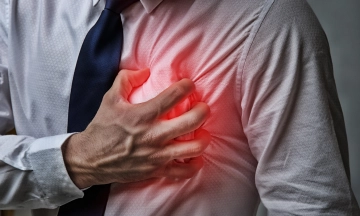
A diagnosis of heart failure can be daunting and may initially feel like the end of the story. However, it is crucial to understand that with advancements in medical care, lifestyle modifications, and a positive mindset, life after a heart
12 Mar 2024
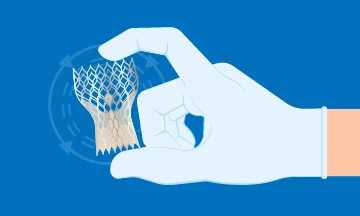
The aorta, the largest artery in the human body, serves as the main blood vessel carrying oxygenated blood from the heart to various organs. Aortic pathologies, such as aneurysms, dissections, and aortic valve diseases, can be life-threatening if left untreated.
25 Aug 2023
A healthy heart is essential for a long and vibrant life. Heart disease remains a leading cause of mortality worldwide, making it crucial to adopt preventive measures to protect our cardiovascular health. Fortunately, many heart conditions are preventable through lifestyle
23 Aug 2023
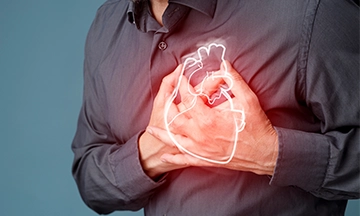
Understanding Heart Failure Heart failure is not a singular disease; rather, it is a syndrome caused by various cardiovascular conditions that weaken the heart muscle. The most common causes include coronary artery disease, hypertension, heart valve problems, and cardiomyopathy. As the
14 Aug 2023

Beriberi is also known as thiamine deficiency, caused by a deficiency of vitamin B1. Your body requires thiamin to break down and digest the foods you eat, to maintain a healthy metabolism, and help your muscles and nervous system to
28 Apr 2022
Atrial Fibrillation is a condition where the upper chambers of the heartbeat chaotically and the pulse becomes fast and irregular. It is a fairly common heart arrhythmia, seen particularly in the elderly, those with structural heart disease and high blood
9 Jun 2021

Making resolutions every New Year is like a ritual that brings a sense of optimism and a feeling of control in our minds. Be it hitting the gym, eating healthy or quitting to smoke, these resolutions are promises to start
17 Jun 2020

Smoking: Should I Use Nicotine Replacement to Quit? Making health decisions is part of our life. These decisions can have a big effect on your health and happiness. Some decisions are suggestive of how good you take care of your health.
13 Jan 2020

Traveling And Driving After A Heart Attack And Angioplasty / Bypass Surgery Traveling after your treatment and discharge for a Heart
10 Jan 2020

Metabolic Syndrome A metabolic syndrome is a group of health problems that make it more likely for a person to have a heart attack, stroke or develop diabetes. If you are suffering from metabolic syndrome, you have at least make it
10 Jan 2020
Coronary angioplasty has evolved over the last three decades due to improvements in angioplasty hardware such as stents, balloon catheters, wires etc which have made the procedure far easier to perform. Immediate and long-term outcomes and safety of the procedure
9 Jan 2019
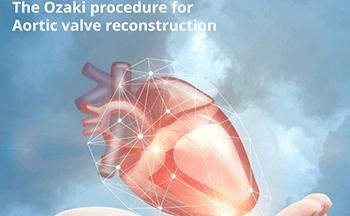
Aortic valve surgery is one of the commonly performed procedures in cardiac surgery across the world. As an alternative to the standard approach of replacement of the aortic valve with the prosthesis, either mechanical of bioprosthetic, interest in aortic valve
27 Nov 2018
What is Coronary Angiography? Coronary angiography is a procedure in which a special X-ray of the heart’s arteries (the coronary arteries) is taken to see if they are narrowed or blocked. It is an important test, used when the doctor suspects
10 Dec 2016
What is a Heart Attack? Our heart muscles need a constant supply of oxygen-rich blood to function properly. A heart attack occurs when this blood flow is significantly reduced or completely blocked. This usually happens due to narrowing or
10 Dec 2016
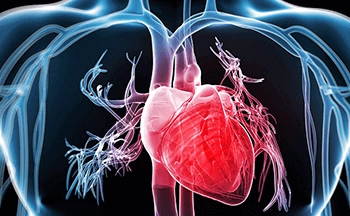
What is Unstable Angina? Unstable angina is a situation where the coronary blockages have progressed to a point where the blood supply is critically reduced to the heart. So the person experiences symptoms either at minimal physical activity or even at
10 Dec 2016
What is Angina? Angina is the discomfort that one experiences when there is a narrowing of the heart’s artery, or when the heart does not receive enough blood supply, particularly while exercising because during exercise or any strenuous activity, the heat
10 Dec 2016

Dr. Jagdish from Bhopal, aged 70 years, was suffering from pain in both his knees for the past 6 years and in the last 3 years, the pain aggravated to unbearable levels. Being a doctor himself, he feared
9 Jul 2016

Trans fat raises your LDL ("bad") cholesterol and lowers your HDL ("good") (HDL)cholesterol. Find out more about trans fat and how to avoid it. Trans fat is considered by many doctors to be the worst type
9 Oct 2015
The first hour after the onset of a heart attack is called the golden hour. Appropriate action within the first 60 minutes of a heart attack can reverse its effects. This concept is extremely important to understand because most
6 Oct 2015
Protecting your heart as you age depends on making healthy choices when you are younger. Adopting healthy lifestyles at a young age prevents lifestyle diseases like obesity, diabetes, high blood pressure and high cholesterol which eventually lead to
25 Sep 2015
Are you suffering from complex heart blockage? Is quality of your life getting limited by chronic total blockage in one of your arteries? If you have been diagnosed with chronic total occlusion
24 Feb 2015
What is Cardiac LIS (Least Invasive Surgery)? Cardiac LIS is an advanced approach to heart surgery designed to treat complex cardiac conditions with minimal trauma to the body. Minimally Invasive Technique – Procedures are performed through small incisions instead of opening
14 Jan 2015
We’ve all heard it, feared it and panicked over it whenever there was even a little pain in our left arm, but heart attacks aren’t the end of the world. In fact, when treated with proper
15 Sep 2014

The Center of excellence with Best skills & Best Technology : World renowned Cardiologist Dr. Nakamura's visit to Sakra World Hospital, Bangalore Coronary artery chronic total occlusion (CTO) is complete or almost complete blockage of a coronary
8 Jul 2014
Metabolic Syndrome A metabolic syndrome is a group of health problems that make it more likely for a person to have a heart attack, stroke or develop diabetes. If you are suffering from metabolic syndrome, you have at least make it
1 Jun 2016
Enquire Now