
Home/Wellness Zone/Sakra Blogs

3rd Nov, 2026
Life after a heart transplant can bring improved energy, better physical functioning, and a return to many everyday activities. However, recovery does not end when a patient leaves the hospital. Long-term success depends on taking prescribed medicines, attending regular follow-up appointments, maintaining a healthy lifestyle, and recognising signs of complications early. With the right care and support, many heart transplant recipients can gradually return to work, hobbies, family activities, and social life.
After heart transplant surgery, the medical team closely monitors the patient to ensure the new heart is functioning properly and the body is healing.
Initial hospital recovery: Patients usually spend time in the intensive care unit before moving to a regular hospital room. The length of the hospital stay depends on recovery and whether complications develop.
Wound healing: The chest incision may remain sore for several weeks. Patients receive instructions on wound care, pain management, and activity restrictions.
Monitoring heart function: Doctors check the transplanted heart through blood tests, heart scans, and other investigations to identify complications early.
Learning medication routines: Before discharge, patients and caregivers learn how to take medicines correctly, monitor health at home, and recognise warning signs.
Gradual return to daily activities: Walking and other light activities are introduced gradually, with progress guided by the transplant team.
Recovery varies from person to person. Some patients regain strength within a few months, while others need more time, especially if they experienced complications before or after surgery.
Recovery after a heart transplant takes time and requires regular medical supervision. The following timeline is a general guide; individual recommendations may differ.
First few weeks: The focus is on wound healing, managing discomfort, preventing infection, adjusting medicines, and beginning gentle movement.
First 1–3 months: Patients gradually increase activity, attend frequent follow-up appointments, and work on rebuilding strength and stamina.
Around 3–6 months: Many patients may be able to resume more daily activities, depending on their recovery and medical team's advice.
After 6 months: Patients who are recovering well may return to additional activities, work, or hobbies as approved by their transplant team.
Long term: Lifelong medication, routine health checks, and healthy lifestyle habits remain essential, even when the patient feels well.
Healthy daily habits can support recovery, protect the transplanted heart, and reduce the risk of long-term complications.
1. Follow a Healthy Diet
A balanced diet helps maintain a healthy weight, manage cholesterol and blood pressure, and support overall recovery.
Eat more fruits and vegetables: Include a variety of well-washed produce in daily meals.
Choose whole grains: Foods such as oats, whole-wheat roti, and brown rice provide fibre and support heart health.
Include lean protein: Choose appropriate portions of pulses, beans, eggs, fish, or lean meat, depending on individual dietary needs.
Limit salt: Excess sodium can contribute to high blood pressure and fluid retention. Follow the salt and fluid recommendations provided by the transplant team.
Reduce added sugar and unhealthy fats: Limit sugary drinks, sweets, fried foods, and foods high in saturated fat.
Follow food safety precautions: Immunosuppressant medicines weaken the immune system, increasing the risk of foodborne infections. Wash produce thoroughly, avoid unsafe or undercooked foods, and follow the transplant team's food-safety instructions.
Check for food and medicine interactions: Grapefruit and some other foods can interact with transplant medicines. Ask the transplant team or pharmacist which foods to avoid.
2. Take Medicines Exactly as Prescribed
Medicines are one of the most important parts of life after a heart transplant.
Anti-rejection medicines: Immunosuppressants reduce the chance of the immune system attacking the transplanted heart. These medicines are generally required for life.
Infection-prevention medicines: Some patients receive medicines to prevent infections, particularly during the early recovery period.
Blood pressure and cholesterol medicines: These may be prescribed to protect the heart and blood vessels.
Medicines for side effects: Additional treatment may be needed to manage issues such as high blood sugar or bone thinning.
3. Resume Physical Activity Gradually
Regular movement helps improve stamina, muscle strength, and overall physical health. However, exercise must be increased gradually after surgery.
Start with short walks: Gentle walking may be encouraged early in recovery, depending on the patient's condition.
Follow cardiac rehabilitation: A supervised rehabilitation programme can help patients rebuild fitness safely.
Increase activity slowly: Duration and intensity should be increased according to the recovery plan.
Avoid heavy lifting initially: Activities that strain the chest or healing incision should be avoided until the surgical team gives permission.
Ask before strenuous exercise: Contact sports, heavy weightlifting, and other high-intensity activities may require special precautions.
4. Prevent Infections
Because anti-rejection medicines suppress the immune system, patients are more vulnerable to infections. Taking preventive steps is essential.
Maintain hand hygiene: Wash hands regularly, particularly before eating and after using the toilet.
Avoid close contact with sick people: Limit exposure to people with contagious illnesses when possible.
Keep vaccinations up to date: Follow the transplant team's vaccination schedule. Live vaccines are generally avoided after transplantation unless specifically directed by the specialist team.
Care for the surgical wound: Follow wound-care instructions and report increasing redness, swelling, discharge, or pain.
Practise safe food handling: Store, prepare, and cook food properly to reduce the risk of infection.
Attend recommended screenings: Regular screening helps detect infections and other health problems early.
5. Maintain a Healthy Weight
Weight management is important because some transplant medicines can increase appetite, affect blood sugar, or contribute to weight gain.
Monitor weight regularly: Follow the transplant team's instructions for recording weight and reporting sudden changes.
Choose balanced meals: Eat regular meals with suitable portions of protein, whole grains, vegetables, and fruit.
Stay physically active: Increase movement as permitted during recovery.
Monitor blood pressure and blood sugar: Some medicines can increase the risk of high blood pressure and diabetes.
6. Avoid Smoking and Discuss Alcohol Use
Avoid smoking and tobacco: Smoking can damage blood vessels and increase the risk of cardiovascular complications.
Avoid recreational drugs: These may affect heart health or interact dangerously with prescribed medicines.
Ask about alcohol: Alcohol may interact with medicines or worsen certain health problems. Discuss whether it is safe before drinking.
7. Protect Skin and Overall Health
Long-term immunosuppressant use can increase the risk of certain cancers, particularly skin cancer.
Use sun protection: Wear protective clothing, seek shade, and apply broad-spectrum sunscreen.
Attend recommended cancer screenings: Follow age-appropriate and transplant-specific screening advice.
Maintain dental care: Brush and floss regularly and attend dental appointments. Inform the dental team about the transplant and medicines.
Prioritise sleep: Adequate rest supports recovery and general well-being.
Look after emotional health: Anxiety, low mood, and stress can occur after major surgery. Speak with the care team if these feelings persist or interfere with daily life.
Regular follow-up appointments help doctors assess the transplanted heart, adjust medicines, and identify complications before they become serious. These appointments are necessary even when the patient feels healthy.
Tests and Check-Ups After a Heart Transplant
Depending on the stage of recovery and individual needs, follow-up care may include:
Blood tests: Check medication levels, kidney and liver function, blood counts, blood sugar, cholesterol, and signs of infection.
Echocardiogram: Uses ultrasound to assess the structure and pumping function of the heart.
Electrocardiogram (ECG): Records the heart's electrical activity and helps identify rhythm abnormalities.
Heart biopsy: Examines a small sample of heart tissue for signs of rejection. It may be performed more frequently during the early recovery period.
Imaging or blood vessel assessments: These may be recommended to check for narrowing in the arteries supplying the transplanted heart.
Blood pressure, pulse, and weight checks: These help identify changes that may require further assessment.
How Often Are Follow-Up Visits Needed?
First few months: Appointments and tests are frequent because the risk of rejection and other complications is higher during early recovery.
First year: Regular visits continue, with the schedule adjusted according to test results and the patient's progress.
Long-term follow-up: Visits may become less frequent if the patient remains stable, but monitoring continues throughout life.
Some complications can develop without obvious symptoms, which is why routine testing is important. Patients should also know which changes need urgent medical attention.
Contact the transplant team promptly if any of the following occur:
Fever or chills: These may indicate an infection.
Shortness of breath: New or worsening breathlessness may signal a heart or lung problem.
Unusual tiredness: Persistent or sudden fatigue can sometimes be a sign of rejection or another complication.
Rapid or irregular heartbeat: Palpitations or a noticeable change in heart rate should be assessed.
Sudden weight gain or swelling: Swelling in the legs, feet, or abdomen may indicate fluid retention.
Reduced exercise tolerance: Difficulty doing activities that were previously manageable may require investigation.
Wound changes: Increasing redness, warmth, pain, or discharge around the incision may indicate infection.
Persistent vomiting or diarrhoea: These symptoms can cause dehydration and may affect the absorption of transplant medicines.
Severe breathing difficulty, fainting, chest discomfort, confusion, or other rapidly worsening symptoms require emergency medical assessment. Do not wait for the next scheduled appointment.
Many patients can gradually return to everyday routines after a heart transplant. The timing depends on healing, stamina, the nature of the activity, and the transplant team's advice.
Work or studies: Return when physical recovery and concentration are adequate. Some people need a phased return or temporary adjustments.
Driving: Resume only after medical clearance and when it is safe to react and operate a vehicle.
Travel: Travel may be possible once recovery is stable. Discuss plans in advance, especially for long journeys or international travel, and carry sufficient medication.
Social activities: Patients can usually rebuild social routines gradually while taking precautions against infection.
Sexual activity: Many patients can resume sexual activity when recovery allows. Ask the care team if there are concerns about healing, stamina, or medication effects.
Family planning: Discuss pregnancy, fertility, and contraception with the transplant team, as some medicines can affect pregnancy safety.
Recovery involves emotional adjustment as well as physical healing. Patients may feel grateful and hopeful, but they can also experience anxiety about rejection, infection, medication side effects, or the future.
Seek support: Talking with family, friends, a counsellor, or a transplant support group can help.
Set realistic goals: Focus on gradual progress instead of comparing recovery with someone else's experience.
Keep a routine: Regular sleep, meals, activity, and medication schedules can make daily life feel more manageable.
Ask questions: Discuss concerns with the transplant team rather than changing medicines or restricting activities out of fear.
Seek professional help when needed: Persistent anxiety, depression, or difficulty coping deserves attention and treatment.
Take every medicine as prescribed and maintain a reliable medication schedule.
Attend all follow-up appointments and complete recommended tests.
Record health measurements when advised by the transplant team.
Follow a balanced diet and practise safe food handling.
Exercise regularly within the limits set by the care team.
Avoid smoking and discuss alcohol, supplements, and new medicines with the transplant team.
Practise infection prevention and keep recommended vaccinations up to date.
Report new symptoms or sudden changes promptly.
Maintain emotional well-being and seek support when needed.
Life after a heart transplant can offer an opportunity to regain strength, return to daily activities, and improve quality of life. However, a successful long-term outcome requires lifelong medication, regular follow-up care, infection prevention, and healthy lifestyle choices. Every patient's recovery is different, so the best approach is to follow an individual care plan and contact the transplant team whenever new symptoms or concerns arise.
1. How long does it take to recover from a heart transplant?
Initial recovery often takes a few months, but regaining full strength can take longer. The timeline depends on the patient's health, healing, and any complications.
2. Do heart transplant patients need medicines for life?
Yes, most patients need lifelong immunosuppressant medicines to reduce the risk of rejection. Other medicines may also be required to manage blood pressure, cholesterol, or medication-related side effects.
3. Can a person live a normal life after a heart transplant?
Many people return to work, social activities, travel, and exercise after recovery. They must continue taking prescribed medicines, attending check-ups, and following medical advice.
4. How often are check-ups needed after a heart transplant?
Appointments are usually frequent during the first few months and continue regularly throughout the first year. The long-term schedule depends on the patient's condition, test results, and the transplant centre's recommendations.
5. What symptoms should be reported after a heart transplant?
Fever, shortness of breath, unusual fatigue, palpitations, swelling, sudden weight gain, or wound changes should be reported promptly. Severe or rapidly worsening symptoms require emergency medical assessment.
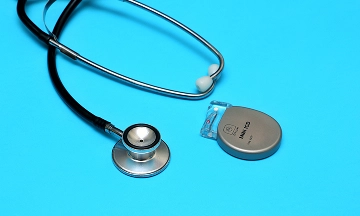
A Left Ventricular Assist Device is a battery-powered mechanical pump that supports the heart's pumping function. It is used mainly in people with advanced heart failure, a condition in which the heart cannot pump or fill with blood effectively
3 Nov 2026
Life after a heart transplant can bring improved energy, better physical functioning, and a return to many everyday activities. However, recovery does not end when a patient leaves the hospital. Long-term success depends on taking prescribed medicines, attending regular
3 Nov 2026

Imagine undergoing complex heart surgery through tiny keyhole incisions — no splitting of the breastbone, significantly less pain, and a much quicker return to daily life. This is the reality of robotic cardiac surgery, a minimally invasive approach that
7 Apr 2026
Undergoing heart surgery is a significant event that often requires a comprehensive approach to recovery. Medications play a crucial role in this process, aiding in healing, preventing complications, and managing existing health conditions. While the idea of stopping medication
17 Jan 2024
The field of medical science has been constantly evolving, embracing technological advancements to improve patient outcomes and surgical procedures. Robotic surgery, often hailed as a groundbreaking innovation, has garnered significant attention in recent years. Its promise of enhanced precision
17 Jan 2024
Every year thousands of people in India alone, require aortic valve surgery which can not only be expensive but also require the use of an artificial valve, which demands strict diet restrictions and life-long monthly blood tests. But innovative technology and the
11 Jan 2019
Dr. Jagdish from Bhopal, aged 70 years, was suffering from pain in both his knees for the past 6 years and in the last 3 years, the pain aggravated to unbearable levels. Being a doctor himself, he feared
9 Jul 2016
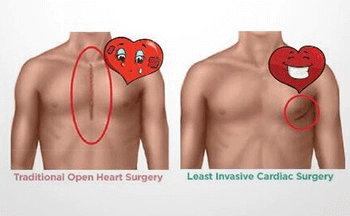
What is Cardiac LIS (Least Invasive Surgery)? Cardiac LIS is an advanced approach to heart surgery designed to treat complex cardiac conditions with minimal trauma to the body. Minimally Invasive Technique – Procedures are performed through small incisions instead of opening
14 Jan 2015
We’ve all heard it, feared it and panicked over it whenever there was even a little pain in our left arm, but heart attacks aren’t the end of the world. In fact, when treated with proper
15 Sep 2014
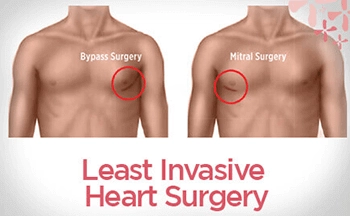
Technology has always made healthcare easier and more accessible to the masses. Keeping up with the trend of innovation in healthcare, the latest advent in cardiac surgery is the Least Invasive Surgery. In conventional open-heart surgery,
14 Sep 2014

Metabolic Syndrome A metabolic syndrome is a group of health problems that make it more likely for a person to have a heart attack, stroke or develop diabetes. If you are suffering from metabolic syndrome, you have at least make it
1 Jun 2016
Enquire Now