

Home/Wellness Zone/Sakra Blogs

3rd Nov, 2026
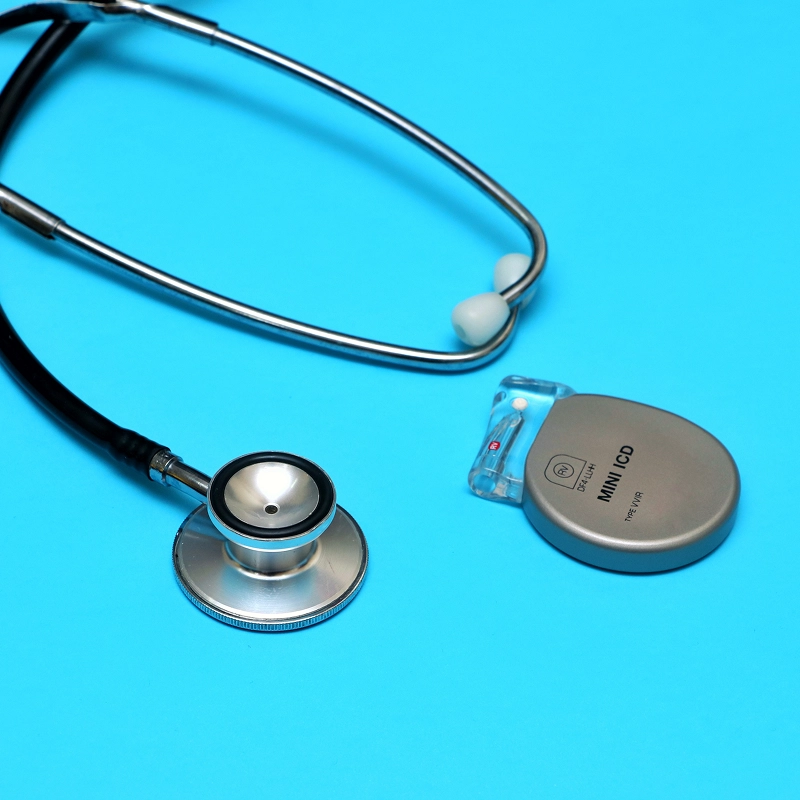
A Left Ventricular Assist Device is a battery-powered mechanical pump that supports the heart's pumping function. It is used mainly in people with advanced heart failure, a condition in which the heart cannot pump or fill with blood effectively enough to meet the body's needs.
The left ventricle is the lower-left chamber of the heart. It pumps oxygen-rich blood into the aorta, the main artery that carries blood to the rest of the body. When this chamber becomes too weak, an LVAD helps move blood from the left ventricle into the aorta.
An LVAD does not replace the heart. Instead, it works alongside the heart to support blood circulation and reduce symptoms such as breathlessness, tiredness, and swelling.
An LVAD helps move blood through the body when the heart's left ventricle cannot pump effectively. The device uses a mechanical pump and an external power system to maintain blood flow.
The process works as follows:
Blood enters the pump: A tube called the inflow cannula carries blood from the left ventricle into the LVAD pump.
The pump moves blood forward: A motor inside the device helps move blood through the pump.
Blood flows into the aorta: Another tube, called the outflow cannula, carries blood from the pump into the aorta, allowing it to circulate throughout the body.
The control system monitors the device: An external controller manages the pump and provides information or alerts about its operation.
Batteries provide power: Rechargeable batteries or a compatible power supply keep the device running continuously.
An LVAD has several connected components. Some are implanted inside the body, while others remain outside the body.
Pump: The main mechanical component that helps move blood from the left ventricle to the aorta. It is implanted inside the chest or near the heart, depending on the device design.
Inflow and outflow cannulas: These tubes carry blood into and out of the pump.
Driveline: A cable that passes through the skin, usually in the abdominal area, and connects the implanted pump to the external equipment.
Controller: A small computer that controls the pump and displays information about its operation. It may also provide alarms if a problem occurs.
Power supply: Batteries or a compatible electrical power unit provide the energy needed to keep the pump running.
Patients and caregivers receive training on how to use the controller, manage batteries, respond to alarms, and care for the driveline site.
An LVAD is generally considered for people with advanced heart failure whose symptoms remain severe despite appropriate medical treatment. It may be recommended when the heart cannot circulate enough blood to support normal body functions.
Doctors may consider an LVAD for the following reasons:
Advanced heart failure: The heart is too weak to pump sufficient blood despite medicines and other treatments.
Bridge to heart transplant: The device supports circulation while an eligible patient waits for a donor heart to become available.
Long-term heart support: An LVAD may be used as a long-term treatment, known as destination therapy, for patients who are not suitable for a heart transplant.
Improvement in daily functioning: By supporting blood circulation, the device may reduce symptoms and help some patients regain strength and participate in everyday activities.
Support while assessing further treatment: In selected cases, an LVAD may provide circulatory support while doctors assess whether other treatment options are possible.
Implanting an LVAD requires major surgery in a specialised cardiac hospital. The procedure is performed under general anaesthesia, meaning the patient is asleep throughout the operation.
The main steps include:
Pre-surgery assessment: Doctors evaluate heart function, kidney and liver health, blood tests, and other medical conditions to determine whether the patient can safely undergo surgery.
Administration of anaesthesia: The patient receives general anaesthesia, and the medical team monitors vital functions throughout the procedure.
Placement of the pump: The surgeon implants the pump and connects it to the left ventricle and the aorta.
Connection of the driveline: The driveline is brought through the skin to connect the internal pump to the external controller and power supply.
Testing the device: The team checks the pump's operation and adjusts its settings to support blood flow.
Post-surgery monitoring: The patient is cared for in the intensive care unit initially, where the medical team monitors heart function, blood flow, and possible complications.
For selected patients with advanced heart failure, an LVAD can improve blood circulation and help control symptoms when other treatments are insufficient.
Potential benefits include:
Improved blood flow: The device helps circulate blood to vital organs, including the brain, kidneys, and liver.
Reduced breathlessness: Better circulation may ease breathing difficulties caused by poor heart function and fluid buildup.
Less fatigue: Some patients experience improved energy and greater ability to perform daily activities.
Improved quality of life: With suitable recovery and training, patients may be able to resume certain activities that were difficult before treatment.
Support while awaiting a transplant: An LVAD can help eligible patients remain stable while waiting for a donor heart.
Long-term treatment option: For some patients who cannot undergo a heart transplant, the device can provide ongoing support.
Although an LVAD can be life-supporting, implantation and long-term use carry important risks. Patients need regular follow-up and careful device management to reduce the likelihood of complications.
Possible risks include:
Bleeding: Surgery and medicines used to prevent blood clots can increase the risk of bleeding.
Blood clots and stroke: Clots can form in or around the device and may block blood flow or travel to the brain.
Infection: The driveline exit site or other areas can become infected, requiring prompt treatment.
Right-sided heart failure: The right side of the heart may struggle to pump blood to the lungs after an LVAD is implanted.
Kidney problems: Changes in blood circulation or complications related to the underlying illness can affect kidney function.
Device malfunction: Mechanical or electrical problems may interfere with the pump's operation and require urgent assessment.
Blood cell damage: The pump can sometimes damage red blood cells, a complication known as haemolysis.
Recovery involves healing after major surgery, adjusting to the device, and learning how to manage it safely. The hospital stay depends on the patient's health, complications, and progress with rehabilitation.
Important aspects of recovery include:
Hospital monitoring: The medical team checks heart function, blood flow, kidney function, and device performance.
Gradual physical activity: Patients begin moving and exercising under supervision as their condition improves.
Device training: Patients and caregivers learn how to use the controller, change power sources safely, and respond to alarms.
Driveline care: The skin around the point where the cable exits the body must be kept clean and protected according to the care team's instructions.
Medication management: Medicines, including those used to reduce clotting risk, must be taken exactly as prescribed.
Regular follow-up: Scheduled visits help the team check the device, monitor recovery, and adjust treatment when needed.
Many people live at home and take part in selected daily activities after recovering from LVAD surgery. However, living with the device requires ongoing care, planning, and regular contact with the specialist team.
Patients should follow these precautions:
Keep the device powered: The LVAD requires a continuous power supply. Patients must carry charged batteries and backup equipment as instructed by their care team.
Protect the driveline: Avoid pulling, twisting, or damaging the cable, and follow the recommended dressing and skin-care routine.
Follow bathing instructions: Water exposure must be managed according to the specific device's guidance. Patients should not swim unless explicitly advised that it is safe.
Take medicines regularly: Do not stop blood-thinning or other prescribed medicines without medical advice.
Attend regular check-ups: Routine monitoring helps identify complications and confirm that the device is working properly.
Know how to respond to alarms: Patients and caregivers should understand the device's emergency instructions and keep the LVAD team's contact details available.
An LVAD may be considered for people with advanced heart failure who continue to have severe symptoms despite appropriate treatment. Eligibility depends on a detailed assessment by a specialist heart failure team.
Doctors may evaluate:
Heart function: Tests determine how severely the heart's pumping ability is affected.
Kidney and liver function: The team checks whether these organs can tolerate surgery and long-term treatment.
Other medical conditions: Severe or uncontrolled infections, certain organ problems, and other conditions may affect eligibility.
Overall strength and recovery potential: The team assesses whether the patient is likely to benefit from the procedure and rehabilitation.
Ability to manage the device: Patients and caregivers need to be able to follow the device-care instructions and attend follow-up appointments, with suitable support where required.
An LVAD and a pacemaker are both medical devices used for certain heart conditions, but they serve different purposes.
LVAD: A mechanical pump that helps the left ventricle circulate blood to the body. It is mainly used in selected patients with advanced heart failure.
Pacemaker: A device that sends electrical signals to help control a slow or abnormal heart rhythm. It does not mechanically pump blood.
Purpose of treatment: An LVAD supports the heart's pumping function, while a pacemaker helps regulate the timing of heartbeats.
When they are used: An LVAD may be recommended for advanced heart failure, while a pacemaker is used when the heart's electrical system causes certain rhythm problems.
Patients with an LVAD should contact their specialist team if they notice symptoms or changes that may indicate infection, bleeding, or a device problem.
Fever or redness around the driveline: These may indicate an infection and require prompt assessment.
Unusual bleeding or bruising: Report persistent bleeding, blood in the stool or urine, or other unexpected bleeding.
Sudden weakness or difficulty speaking: These can be signs of a stroke and require emergency medical care.
New or worsening breathlessness: This may indicate worsening heart function or another complication.
Alarms or power problems: Follow the device's emergency instructions and contact the LVAD team immediately.
Chest pain, fainting, or sudden confusion: Seek emergency medical help.
A Left Ventricular Assist Device is a mechanical pump that helps the heart circulate blood in people with advanced heart failure. It may be used while a patient waits for a heart transplant or as a long-term treatment when transplantation is not an option. Although an LVAD can reduce symptoms and improve quality of life, it requires major surgery, continuous power, careful daily management, and regular medical follow-up. A specialist heart failure team can help determine whether the device is an appropriate option for an individual patient.
1. Does an LVAD replace the heart?
No, an LVAD does not replace the heart. It works alongside the left ventricle to help pump blood to the body.
2. How long can a person live with an LVAD?
Survival varies according to the patient's health, the type of device, and whether it is used while waiting for a transplant or as long-term therapy. Some people live with an LVAD for several years under regular specialist care.
3. Is LVAD surgery a major operation?
Yes, implanting a durable LVAD is major cardiac surgery that usually requires general anaesthesia and a hospital stay. Recovery includes rehabilitation, device training, and ongoing medical monitoring.
4. Can a person with an LVAD go home?
Yes, many patients can return home once they are medically stable and have learned how to manage the device. They need a suitable power supply, backup equipment, caregiver support where required, and regular follow-up.
5. Is an LVAD a permanent treatment?
It can be used temporarily while a patient waits for a heart transplant or as long-term support for someone who is not eligible for transplantation. The treatment plan depends on the patient's condition and the purpose of the device.

A Left Ventricular Assist Device is a battery-powered mechanical pump that supports the heart's pumping function. It is used mainly in people with advanced heart failure, a condition in which the heart cannot pump or fill with blood effectively
3 Nov 2026

Life after a heart transplant can bring improved energy, better physical functioning, and a return to many everyday activities. However, recovery does not end when a patient leaves the hospital. Long-term success depends on taking prescribed medicines, attending regular
3 Nov 2026

Imagine undergoing complex heart surgery through tiny keyhole incisions — no splitting of the breastbone, significantly less pain, and a much quicker return to daily life. This is the reality of robotic cardiac surgery, a minimally invasive approach that
7 Apr 2026

Undergoing heart surgery is a significant event that often requires a comprehensive approach to recovery. Medications play a crucial role in this process, aiding in healing, preventing complications, and managing existing health conditions. While the idea of stopping medication
17 Jan 2024
The field of medical science has been constantly evolving, embracing technological advancements to improve patient outcomes and surgical procedures. Robotic surgery, often hailed as a groundbreaking innovation, has garnered significant attention in recent years. Its promise of enhanced precision
17 Jan 2024
Every year thousands of people in India alone, require aortic valve surgery which can not only be expensive but also require the use of an artificial valve, which demands strict diet restrictions and life-long monthly blood tests. But innovative technology and the
11 Jan 2019

Dr. Jagdish from Bhopal, aged 70 years, was suffering from pain in both his knees for the past 6 years and in the last 3 years, the pain aggravated to unbearable levels. Being a doctor himself, he feared
9 Jul 2016
What is Cardiac LIS (Least Invasive Surgery)? Cardiac LIS is an advanced approach to heart surgery designed to treat complex cardiac conditions with minimal trauma to the body. Minimally Invasive Technique – Procedures are performed through small incisions instead of opening
14 Jan 2015
We’ve all heard it, feared it and panicked over it whenever there was even a little pain in our left arm, but heart attacks aren’t the end of the world. In fact, when treated with proper
15 Sep 2014
Technology has always made healthcare easier and more accessible to the masses. Keeping up with the trend of innovation in healthcare, the latest advent in cardiac surgery is the Least Invasive Surgery. In conventional open-heart surgery,
14 Sep 2014

Metabolic Syndrome A metabolic syndrome is a group of health problems that make it more likely for a person to have a heart attack, stroke or develop diabetes. If you are suffering from metabolic syndrome, you have at least make it
1 Jun 2016
Enquire Now