Home/Wellness Zone/Sakra Blogs

31st Jul, 2026
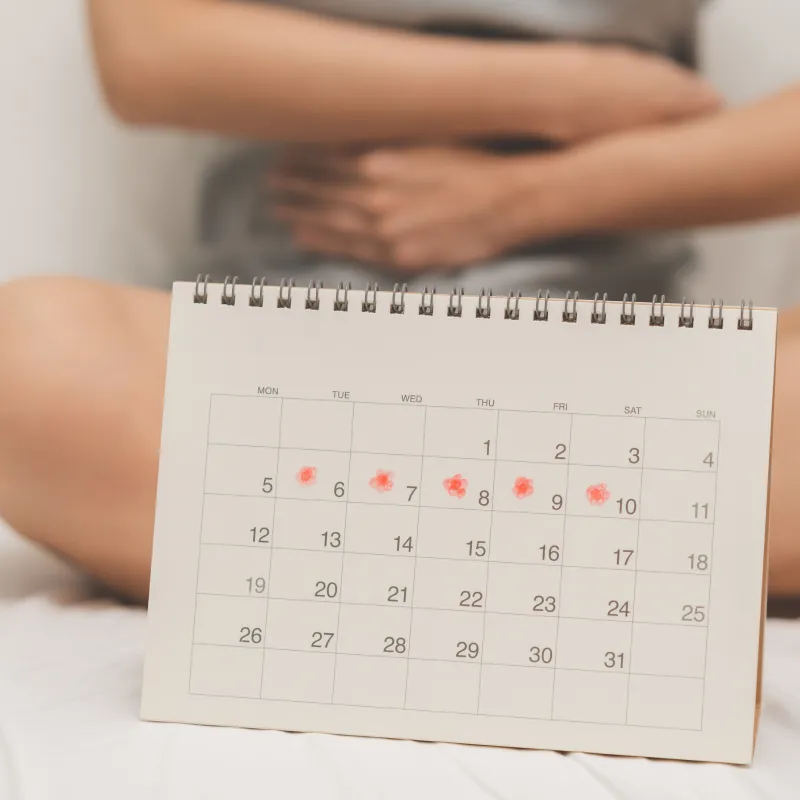
Irregular periods refer to menstrual cycles that vary in timing, duration or flow. Periods may come too early, too late, be missed entirely or differ in intensity from cycle to cycle.
While occasional irregularity can be normal, frequent changes may indicate hormonal imbalance or underlying health conditions that need attention.
Irregular periods occur when the menstrual cycle does not follow a consistent pattern, typically outside the normal 21–35 day range.
This may include missed periods, delayed cycles, frequent periods or changes in flow.
Understanding irregular period symptoms and early signs helps in identifying potential concerns and managing them effectively.
Irregular periods can present in different patterns.
Oligomenorrhea: Infrequent periods where cycles are longer than usual and occur occasionally.
Amenorrhea: Absence of menstruation for several months, either temporary or long-term.
Menorrhagia: Heavy or prolonged menstrual bleeding that may interfere with daily activities.
Polymenorrhea: Frequent periods occurring at shorter intervals than the normal cycle.
Symptoms may vary depending on the underlying cause.
Common symptoms include:
Missed periods: Absence of menstruation for one or more cycles without pregnancy.
Delayed cycles: Periods that occur much later than expected, disrupting cycle regularity.
Frequent periods: Menstrual cycles that occur too often within a short duration.
Heavy bleeding: Excessive blood flow that may require frequent pad or tampon changes.
Light or scanty flow: Reduced bleeding compared to usual cycles.
Pelvic discomfort: Mild to moderate pain or cramps associated with irregular cycles.
These symptoms may occur alone or in combination.
Signs are observable indicators that may suggest hormonal or health-related issues.
Common signs include:
Unpredictable cycle pattern: Difficulty in tracking periods due to inconsistent timing.
Sudden weight changes: Noticeable weight gain or loss affecting hormonal balance.
Acne or skin changes: Hormonal imbalance may lead to breakouts or oily skin.
Excess hair growth: Increased facial or body hair due to hormonal changes.
Fatigue: Low energy levels associated with irregular or heavy cycles.
Mood changes: Irritability or emotional fluctuations linked to hormonal imbalance.
Recognizing these signs helps in early evaluation.
There are several reasons for irregular periods, ranging from lifestyle factors to medical conditions.
Common reasons include:
Hormonal imbalance: Disruption in estrogen and progesterone levels can affect ovulation and cycle regularity.
Polycystic ovary syndrome (PCOS): A common condition that causes irregular cycles, excess hormones and ovulation issues.
Stress: Emotional or physical stress can interfere with hormone regulation and delay periods.
Thyroid disorders: Both overactive and underactive thyroid can impact menstrual cycles.
Weight changes: Sudden weight gain or loss can disturb hormonal balance and cycle timing.
Excessive exercise: Intense physical activity can suppress ovulation and lead to missed periods.
Medications or contraceptives: Hormonal treatments or birth control methods may alter cycle patterns.
Identifying the reasons helps in proper treatment.
Doctors diagnose irregular periods through evaluation and tests.
Common methods include:
Medical history: Understanding cycle pattern, duration, symptoms and lifestyle factors.
Physical examination: Assessing overall health and signs of hormonal imbalance.
Blood tests: Checking hormone levels, thyroid function and other related parameters.
Ultrasound scan: Evaluating ovaries and uterus for conditions like PCOS or fibroids.
Pelvic examination: Examining reproductive organs for structural abnormalities.
Accurate diagnosis helps guide treatment.
Treatment depends on the underlying cause of irregular periods.
Lifestyle changes: Maintaining a healthy routine, a balanced diet, and proper sleep supports hormonal balance.
Medications: Hormonal therapy or other medicines may be prescribed to regulate cycles.
Managing underlying conditions: Treating PCOS, thyroid disorders or other conditions improves cycle regularity.
Weight management: Achieving a healthy weight helps restore normal hormonal function.
Stress management: Relaxation techniques help reduce hormone-related disruptions.
Regular monitoring: Tracking cycles helps evaluate treatment effectiveness.
Early management helps prevent complications.
Many cases of irregular periods are manageable with proper care and treatment. Some may resolve with lifestyle changes, while others require medical support. Early diagnosis improves outcomes and helps maintain reproductive health.
Taking steps to maintain hormonal and reproductive health can help reduce irregular periods.
Helpful steps include:
Maintaining a healthy lifestyle: Supports hormone balance and promotes regular menstrual cycles.
Managing stress levels: Helps reduce hormonal disturbances that can affect cycle timing.
Regular physical activity: Keeps the body active without disrupting hormonal function when done in moderation.
Balanced nutrition: Provides essential nutrients required for proper hormonal regulation.
Avoiding extreme weight changes: Helps maintain stable hormone levels and cycle consistency.
Regular health check-ups: Help identify and manage underlying conditions early.
Managing irregular periods may require lifestyle adjustments.
Helpful tips include:
Tracking menstrual cycles and noting any irregular patterns
Maintaining a consistent daily routine for better hormonal stability
Following prescribed treatments without interruption
Managing stress through relaxation or mindfulness techniques
Keeping a healthy diet and regular exercise routine
Consult a doctor if symptoms persist or worsen
These steps can help improve cycle regularity and overall well-being.
Irregular periods are a common concern that can result from lifestyle factors, hormonal imbalance or underlying medical conditions. Irregular periods symptoms and signs should not be ignored, especially if they occur frequently.
There are many reasons for irregular periods, and understanding these causes helps in choosing the right treatment approach.
With proper diagnosis, timely care and healthy lifestyle habits, most cases can be effectively managed, helping maintain regular cycles and overall reproductive health.
1. What are irregular periods?
Irregular periods are menstrual cycles that vary in timing, flow or duration and do not follow a consistent monthly pattern.
2. Is it normal to have irregular periods sometimes?
Occasional irregularity can be normal, especially due to stress or lifestyle changes, but frequent changes need evaluation.
3. Can stress cause irregular periods?
Yes, stress can disrupt hormone levels and delay or alter menstrual cycles.
4. When should I see a doctor?
If periods are missed frequently, very heavy, too frequent or associated with pain or other symptoms.
5. Can irregular periods be treated?
Yes, treatment depends on the cause and may include lifestyle changes, medications or managing underlying conditions.
Do irregular periods affect fertility?
They can sometimes affect ovulation, but with proper treatment many women can still conceive

Irregular periods refer to
31 Jul 2026
Vaginal bleeding refers to
31 Jul 2026

Staying active during pregnancy
5 Jun 2026

Breastfeeding is one of
5 Jun 2026
Preterm labor is a
5 Jun 2026
Ovarian cysts are fluid-filled sacs
4 Jun 2025
Vaginal yeast infections are a
4 Jun 2025

Women’s health is a vast
4 Jun 2025
Abnormal Uterine Bleeding (AUB) is
17 Nov 2023
Pregnancy is a miraculous and
17 Nov 2023
Pregnancy is a beautiful and
17 Oct 2023
Polycystic Ovary Syndrome (PCOD) is
13 Oct 2023
Hearing aids and cochlear implants
13 Jul 2023
Pregnancy is probably one of
28 May 2020

Can Oral Health Have an
29 Jan 2018
How can high-risk pregnancies be
6 Mar 2017
What is a High Risk
6 Mar 2017
Fetal medicine and its role
6 Mar 2017

Women have been breastfeeding since
6 Mar 2017

It is an act that
6 Mar 2017
0n 14th Feb 2017, while
3 Mar 2017

Osteoporosis
2 Sep 2014
Enquire Now