
Home/Wellness Zone/Sakra Blogs

22nd Sep, 2026

Ovarian cysts are fluid-filled sacs or solid areas that can develop in or on an ovary. They are common, particularly during the reproductive years, and many are harmless and disappear without treatment.
However, some cysts can become large, rupture, twist the ovary or cause other complications. Knowing the ovarian cyst symptoms and possible ovarian cyst causes can help you understand when medical evaluation is needed.
An ovarian cyst is a sac or growth that develops in or on an ovary. Some cysts contain fluid, while others may contain blood, tissue or other material.
Many ovarian cysts develop as part of the normal menstrual cycle. These are known as functional cysts and often resolve on their own within a few weeks or menstrual cycles.
Other cysts may develop because of conditions such as endometriosis or abnormal cell growth. Their treatment depends on the type, size, appearance and symptoms.
There are several possible ovarian cyst causes, and the cause depends on the type of cyst.
Normal ovulation: During the menstrual cycle, a follicle develops in the ovary and releases an egg. If the follicle does not release the egg or does not shrink as expected, it can form a functional cyst.
Hormonal changes: Hormonal fluctuations or certain hormonal medicines can contribute to the development of some ovarian cysts.
Endometriosis: Endometrial tissue growing on the ovary can form a blood-filled cyst called an endometrioma.
Polycystic ovary syndrome: PCOS can be associated with multiple small ovarian follicles and hormonal changes, although these follicles are not the same as ovarian cysts.
Abnormal cell growth: Some cysts develop because cells in the ovary grow abnormally. Most are benign, but some can be cancerous or have malignant potential.
Ovarian cysts can be broadly classified based on how they develop.
Functional cysts: These are related to the menstrual cycle and are the most common type. They usually disappear without treatment.
Dermoid cysts: These develop from cells that can form different types of tissue and may contain structures such as hair or fatty material.
Endometriomas: These develop when endometriosis affects the ovary and can contain old blood.
Cystadenomas: These develop from cells on the surface of the ovary and may contain watery or mucus-like material.
Other ovarian growths: Some ovarian masses do not fit into the common cyst categories and may require further evaluation.
Many ovarian cysts do not cause any symptoms and are discovered during a routine pelvic examination or imaging test.
When symptoms occur, common ovarian cyst symptoms may include:
Pelvic pain: Pain may occur on one side of the lower abdomen and can be mild, aching or sharp.
Abdominal fullness: A larger cyst may cause a feeling of heaviness, pressure or fullness in the lower abdomen.
Bloating: Some women may experience abdominal bloating or swelling.
Changes in periods: Cysts can sometimes be associated with heavier, lighter, irregular or painful periods, depending on the underlying cause.
Pain during sex: Some ovarian cysts can cause discomfort or pain during sexual intercourse.
Frequent urination: A large cyst may press against the bladder and increase the urge to urinate.
Bowel-related symptoms: Pressure from a larger cyst may sometimes cause constipation or discomfort while passing stools.
Difficulty becoming pregnant: Certain ovarian conditions, including endometriosis, may affect fertility.
Having these symptoms does not necessarily mean that you have an ovarian cyst. Several other gynaecological and gastrointestinal conditions can cause similar symptoms.
Ovarian cyst pain is usually felt in the lower abdomen or pelvis and may occur on one side. The nature of the pain can vary depending on the cyst and whether a complication develops.
Pain may become more noticeable during menstruation, sexual intercourse or physical activity in some women.
Sudden, severe pelvic or abdominal pain can be a warning sign of a ruptured cyst or ovarian torsion and requires urgent medical assessment.
Some ovarian cysts can rupture and release their contents into the surrounding area. A small rupture may cause little or no discomfort, while a larger rupture can cause significant pain or internal bleeding.
Symptoms of a potentially serious rupture may include:
Sudden severe pelvic or abdominal pain
Dizziness or weakness
Fainting
Rapid breathing or heartbeat
Heavy vaginal bleeding
Nausea or vomiting
These symptoms require urgent medical attention.
Ovarian torsion occurs when an ovary twists around the tissues supporting it, potentially reducing its blood supply. A larger ovarian cyst can increase the risk of this complication.
Possible symptoms include sudden, severe pelvic pain, nausea and vomiting. Ovarian torsion is a medical emergency and requires prompt treatment to protect the ovary.
A doctor may assess your symptoms and medical history before performing a pelvic examination. Imaging tests are often used to determine whether a cyst is present and to understand its size and appearance.
Common tests include:
Pelvic ultrasound: This is commonly used to identify ovarian cysts and determine whether they are fluid-filled, solid or mixed.
Transvaginal ultrasound: This provides a closer view of the ovaries and pelvic structures.
Pregnancy test: This may be performed to rule out pregnancy-related causes of pelvic pain or bleeding.
Blood tests: Certain blood tests may be recommended depending on the cyst's appearance, symptoms and age.
MRI or CT scan: These may occasionally be recommended when additional imaging is needed.
Treatment depends on the cyst's type, size, appearance, symptoms and whether the woman has reached menopause.
Observation: Many simple functional cysts disappear on their own. Follow-up ultrasound may be recommended to monitor the cyst.
Pain management: Mild symptoms may be managed with appropriate pain-relieving medicines as advised by a healthcare professional.
Hormonal medicines: Hormonal contraceptives may sometimes be prescribed to prevent new functional cysts, although they generally do not make an existing cyst disappear.
Surgery: A cyst may need to be surgically removed if it is large, persistent, causes significant symptoms, has concerning features or leads to complications.
Most functional ovarian cysts do not cause infertility and usually do not interfere with conception. However, conditions associated with certain cysts, such as endometriosis, can affect fertility.
If you have been trying to conceive without success and have an ovarian cyst, a gynaecologist can assess whether the cyst or another underlying condition is contributing to fertility problems.
See a gynaecologist if you have persistent pelvic pain, repeated abdominal discomfort, unexplained changes in your periods or symptoms that interfere with daily activities.
Seek emergency medical care for sudden severe abdominal or pelvic pain, particularly if it occurs with vomiting, dizziness, fainting, fever, weakness or heavy vaginal bleeding. These symptoms can indicate complications such as ovarian torsion or significant bleeding from a ruptured cyst.
Ovarian cysts are common and many are temporary, harmless growths that resolve without treatment. However, ovarian cyst symptoms can develop when a cyst becomes large, ruptures, twists the ovary or is associated with another underlying condition.
Understanding what is an ovarian cyst, its possible causes and warning signs can help women seek timely medical care. Persistent or severe ovarian cyst pain should not be ignored, particularly when it develops suddenly or is accompanied by other concerning symptoms.
An ovarian cyst is a sac or growth that develops in or on an ovary and may contain fluid, blood, tissue or other material. Many ovarian cysts are benign and disappear without treatment.
Ovarian cysts can develop as part of normal ovulation, due to hormonal changes, endometriosis or abnormal cell growth. The specific cause depends on the type of cyst.
Ovarian cyst pain is commonly felt in the lower abdomen or pelvis and may be more noticeable on one side. Sudden severe pain requires urgent medical assessment because it may indicate a complication.
Many functional ovarian cysts disappear without treatment within a few weeks or menstrual cycles. Persistent, large or complex cysts may require further evaluation and treatment.
Most ovarian cysts are benign, but some ovarian masses can be cancerous or have features that require further investigation. The risk varies with factors such as age, menopausal status and the cyst's appearance on imaging.

Vaginal discharge can change
22 Sep 2026

Menstrual periods stop permanently
22 Sep 2026

Ovarian cysts are fluid-filled
22 Sep 2026

Egg freezing, medically known
22 Sep 2026

Ovulation is the process
22 Sep 2026

Pregnancy increases the body’s
22 Sep 2026

If you think PCOS means
16 Sep 2026

Irregular periods refer to
31 Jul 2026

Vaginal bleeding refers to
31 Jul 2026

Staying active during pregnancy
5 Jun 2026

Breastfeeding is one of
5 Jun 2026

Preterm labor is a
5 Jun 2026
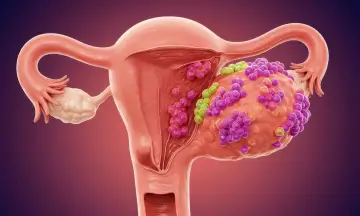
Ovarian cysts are fluid-filled sacs
4 Jun 2025
Vaginal yeast infections are a
4 Jun 2025

Women’s health is a vast
4 Jun 2025

Thyroid disorders in pregnancy can
13 Mar 2025
Abnormal Uterine Bleeding (AUB) is
17 Nov 2023

Pregnancy is a miraculous and
17 Nov 2023

Pregnancy is a beautiful and
17 Oct 2023
Polycystic Ovary Syndrome (PCOD) is
13 Oct 2023

Hearing aids and cochlear implants
13 Jul 2023

Pregnancy is probably one of
28 May 2020

Can Oral Health Have an
29 Jan 2018

How can high-risk pregnancies be
6 Mar 2017
What is a High Risk
6 Mar 2017

Fetal medicine and its role
6 Mar 2017

Women have been breastfeeding since
6 Mar 2017

It is an act that
6 Mar 2017

0n 14th Feb 2017, while
3 Mar 2017

Osteoporosis
2 Sep 2014
Enquire Now