
Home/Wellness Zone/Sakra Blogs

17th Nov, 2023
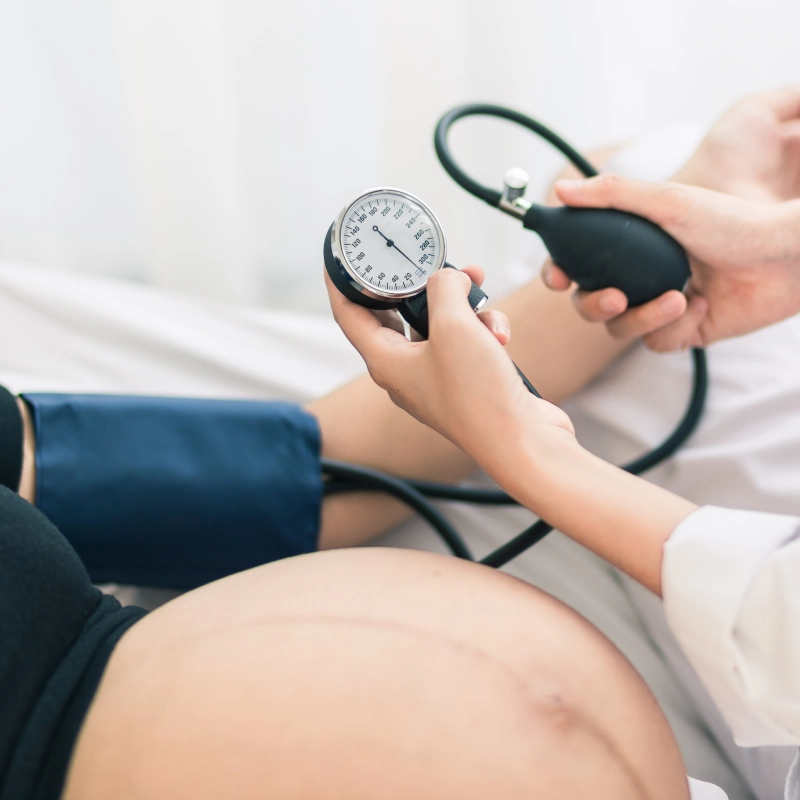
Pregnancy is a miraculous and transformative journey for women, but it comes with its own set of challenges. Pregnancy-induced hypertension (PIH), also known as gestational hypertension, is one such challenge that can affect both the mother and the unborn child.
PIH is a condition characterized by elevated blood pressure during pregnancy. It typically occurs after the 20th week of gestation and resolves after childbirth. While the exact cause remains unknown, factors such as a woman's age, family history of hypertension, and multiple pregnancies may contribute to its development.
The exact cause of Pregnancy-Induced Hypertension (PIH) is not fully understood, but several risk factors have been identified. These include
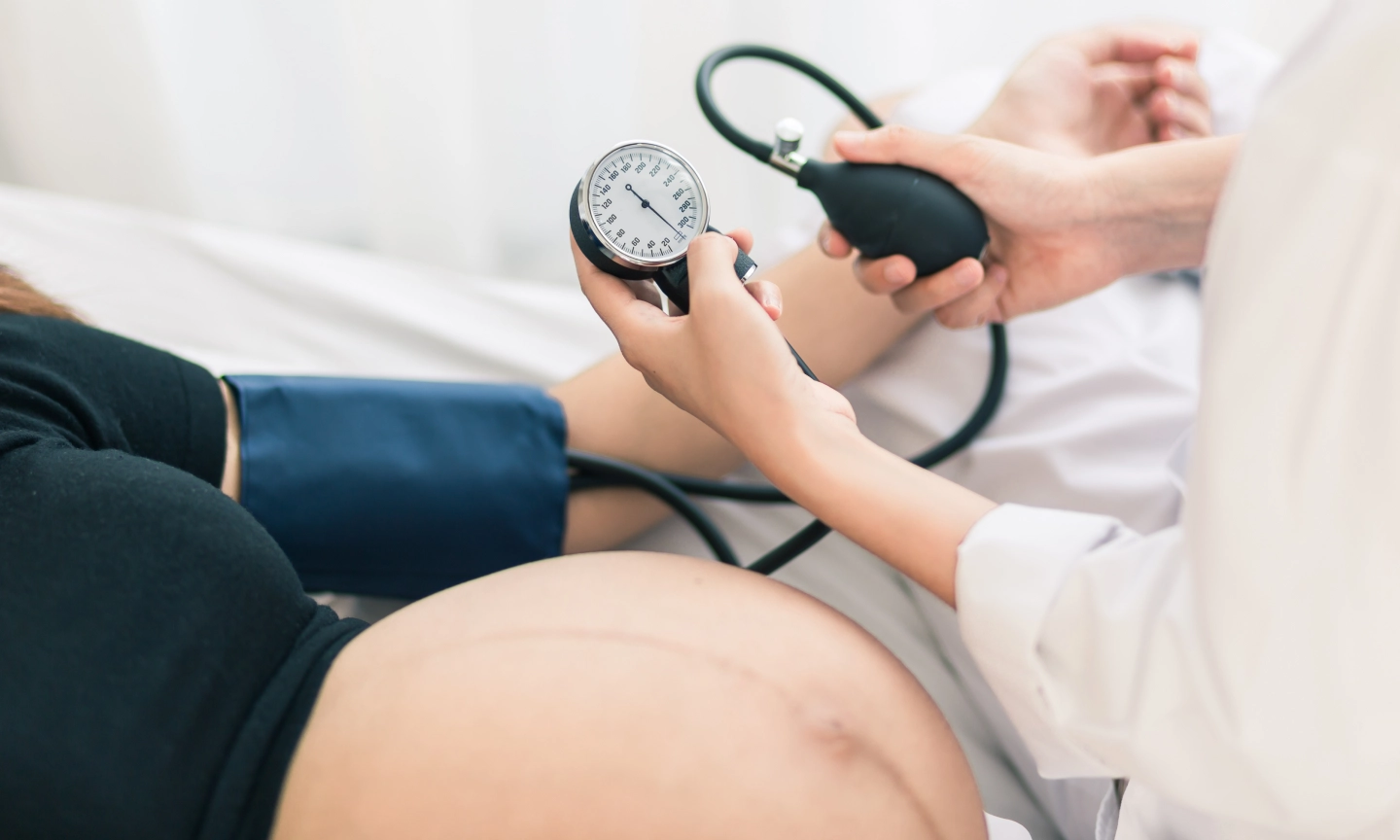
High Blood Pressure: Elevated blood pressure is the hallmark symptom of PIH. A blood pressure reading consistently higher than 140/90 mm Hg is indicative of the condition.
Here are some pregnancy-induced hypertension treatments:
Pregnancy-induced hypertension is a complex condition that requires careful monitoring and management to ensure the well-being of both the mother and the baby. Early detection, lifestyle modifications, and appropriate medical intervention play pivotal roles in mitigating the risks associated with PIH. By staying informed and maintaining a proactive approach to prenatal care, women can navigate through pregnancy with a reduced risk of hypertension-related complications, promoting a healthier start for both mother and child. It is essential to seek guidance from healthcare professionals at Sakra World Hospital to tailor a personalized care plan that addresses the specific needs of each individual during pregnancy.
1. What is PIH in pregnancy?
PIH stands for Pregnancy-Induced Hypertension. It refers to high blood pressure that develops after 20 weeks of pregnancy in a woman who previously had normal blood pressure.
2. What is pregnancy induced hypertension?
Pregnancy-induced hypertension is a condition where blood pressure rises during pregnancy without signs of severe complications like organ damage (in early stages). It needs monitoring to prevent progression to more serious conditions.
3. What does PIH mean in gynaecology?
In gynaecology and obstetrics, PIH is used to describe high blood pressure specifically related to pregnancy. It includes conditions that may range from mild hypertension to more severe forms like preeclampsia.
4. Is PIH common during pregnancy?
Yes, PIH is relatively common and affects a significant number of pregnant women, especially first-time mothers or those with risk factors like obesity or multiple pregnancies.
5. What are the symptoms of PIH in pregnancy?
Some women may not have noticeable symptoms. When present, symptoms can include headaches, swelling of the face and hands, blurred vision, dizziness, and sudden weight gain.
6. How do I know if I have pregnancy induced hypertension?
The only reliable way is through regular blood pressure checks during antenatal visits. Doctors may also check urine protein and perform blood tests to monitor for complications.
7. What causes PIH in pregnancy?
The exact cause is not fully understood. It is believed to be related to changes in blood vessels and placental development. Risk factors include first pregnancy, family history, high BMI, and certain medical conditions.
8. Is PIH dangerous for mother and baby?
It can be if not managed properly. PIH may reduce blood flow to the placenta, affecting the baby’s growth, and can progress to preeclampsia, which is more serious. Early detection and regular monitoring help ensure a safe pregnancy.

If you think PCOS means
16 Sep 2026

Irregular periods refer to
31 Jul 2026

Vaginal bleeding refers to
31 Jul 2026

Staying active during pregnancy
5 Jun 2026

Breastfeeding is one of
5 Jun 2026

Preterm labor is a
5 Jun 2026

Hormones play a vital
24 Mar 2026
Ovarian cysts are fluid-filled sacs
4 Jun 2025
Vaginal yeast infections are a
4 Jun 2025

Women’s health is a vast
4 Jun 2025

Thyroid disorders in pregnancy can
13 Mar 2025
Cervical insufficiency, also known as
13 Mar 2025
Abnormal Uterine Bleeding (AUB) is
17 Nov 2023
Pregnancy is a miraculous and
17 Nov 2023
What is HPV ?? HPV is
6 Nov 2023
Abnormal uterine bleeding (AUB) is
20 Oct 2023

Pregnancy is a beautiful and
17 Oct 2023
Polycystic Ovary Syndrome (PCOD) is
13 Oct 2023

Hearing aids and cochlear implants
13 Jul 2023

What surgeries do gynecologists perform? The
22 Sep 2021

Natural pregnancy & delivery is
2 Jul 2021
What is Intrauterine Insemination (IUI)? Artificial
2 Jul 2021
Assisted Reproductive Technology is a
2 Jul 2021

There is sometimes a connection
9 Feb 2021

Pregnancy in every woman is
2 Dec 2020

In India caesarean section (C-section)
27 Nov 2020

Pregnancy is probably one of
28 May 2020

Can Oral Health Have an
29 Jan 2018
How can high-risk pregnancies be
6 Mar 2017
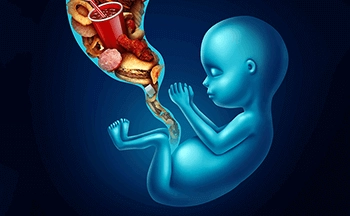
What is a High Risk
6 Mar 2017

Fetal medicine and its role
6 Mar 2017

Women have been breastfeeding since
6 Mar 2017

It is an act that
6 Mar 2017

0n 14th Feb 2017, while
3 Mar 2017
Osteoporosis
2 Sep 2014
Enquire Now