

Home/Wellness Zone/Sakra Blogs

27th Nov, 2020
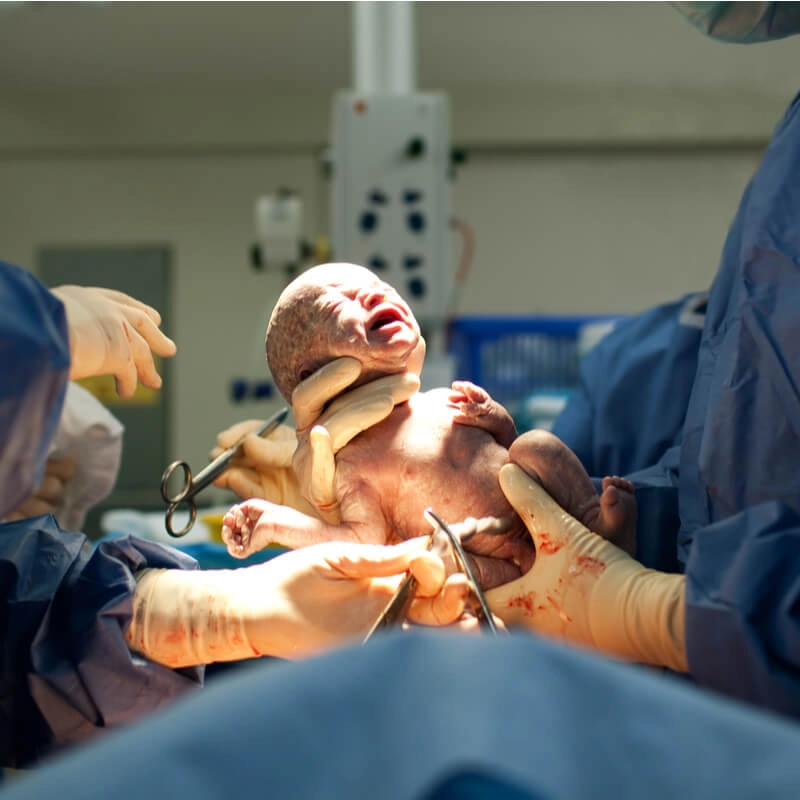
In India caesarean section (C-section) surgery has become more popular than normal delivery over a few years. According to a District Level Household Survey 3 (DLHS) report, there has been an increase in the rate of C-section surgery, 28.1% in the private sector and 12% in the public sector health facilities to be precise.
C-section surgery is usually advised if a woman has any medical emergency. However, of late, the rates of preferring C-Section surgery have increased in cases of non-risky pregnancies, especially among the privileged class. ( TOO POSH TO PUSH) Factors such as fear of normal delivery, social norms, hurry to get back to work life, etc. are known to influence the parents to opt for caesarean deliveries.
During C-section, babies are delivered surgically through an incision made in the abdomen and uterus. C-section surgery is planned ahead based on the recommendation of the gynecologist in cases of pregnancy complications or among patients who previously underwent c-section and are not considering vaginal birth after caesarean (VBAC) or simply follow specific date and time as auspicious.
Pregnancy and birth can be unpredictable at times. Hence, a mother should be well prepared for every situation, even for a C-section. Visit the best gynecologist hospital in Bangalore to know all about pregnancy.
Vaginal delivery is considered the safest option for delivery, but even then C-section has become quite common due to reasons such as:
Stalled Labour: It means when the labour is not progressing which occurs when the cervix doesn’t open despite strong contractions. According to the Centers for Disease Control and Prevention, nearly one-third of caesarean are due to this.
Abnormal position of the baby: Usually a baby is positioned head-first near the birth canal, if the feet and butt of the baby are positioned toward the canal, a C-section is usually considered to ensure safe delivery.
Baby in distress: Lack of oxygen supply to the baby or change in the heartbeat would require C-section delivery.
Having multiple babies: For mothers carrying twins, triplets, etc., it is safe to deliver through C-section
Placenta Issues: When placenta partially or completely covers the cervix (placenta previa), normal delivery can be challenging. Sometimes, the placenta separates from the uterine lining which causes placenta abruption (losing of oxygen), hence required C-section for delivery.
Chronic health condition: Normal delivery is challenging for women with health conditions such as heart disease, high blood pressure, or gestational diabetes. C-section also allows avoiding transmission of diseases such as HIV, genital herpes, etc.
Others: Having mechanical obstruction such as large fibroids blocking the birth canal, Cephalopelvic disproportion (CPD - a condition when the mother has small pelvis or the baby has a large head to pass through the birth canal) and cord prolapse (when the umbilical cord slips through the cervix before the baby is born) need C-section.
Usually, a woman chooses C-section in order to avoid labour pain or possible complications of vaginal birth, but if you are planning multiple children then it is advisable to avoid C-sections. Multiple C-sections surgeries can put you at high risk of placental problems as well as heavy bleeding, which might require a hysterectomy ( surgical removal of the uterus). Therefore, it is recommended to consult with the best gynaecologist in Bangalore before planning your delivery options.
Consult the top gynecolgoist in Bangalore if you have any doubt related to the pregnancy or C-section.

Hormones play a vital role in regulating a woman’s body—from menstrual cycles and metabolism to mood and sleep. Even a slight imbalance can lead to noticeable physical and emotional changes. Recognizing the signs of hormonal imbalance in women early
24 Mar 2026
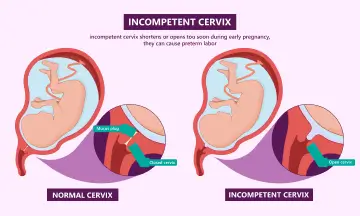
Cervical insufficiency, also known as an incompetent cervix, is a condition in which the cervix opens too early during pregnancy, leading to a risk of preterm birth or pregnancy loss. The cervix is the lower part of the uterus that
13 Mar 2025
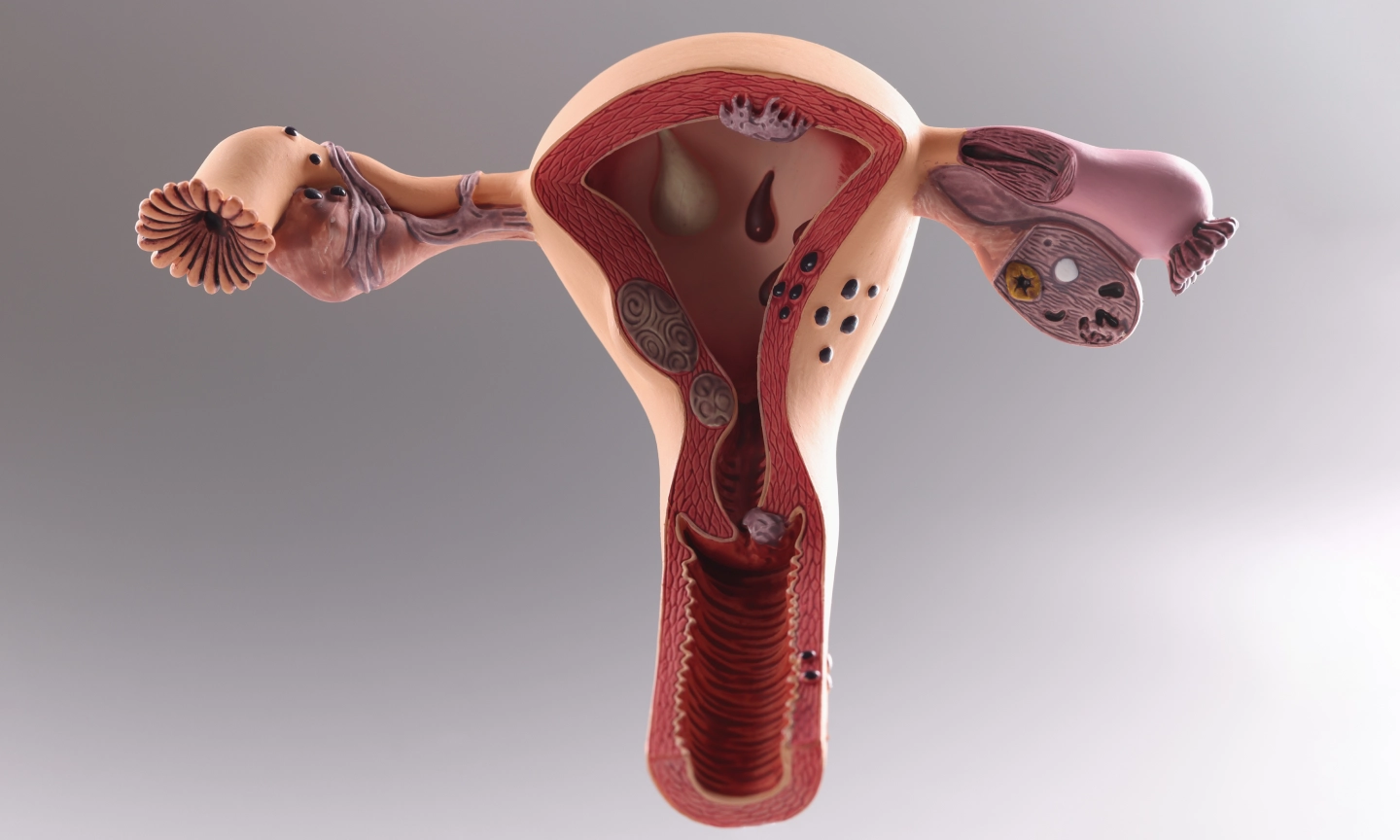
Abnormal Uterine Bleeding (AUB) is a common gynecological issue that affects many women across different age groups. Defined as any deviation from the normal menstrual cycle, AUB can have various causes and present with diverse symptoms. Understanding Abnormal Uterine Bleeding AUB is
17 Nov 2023
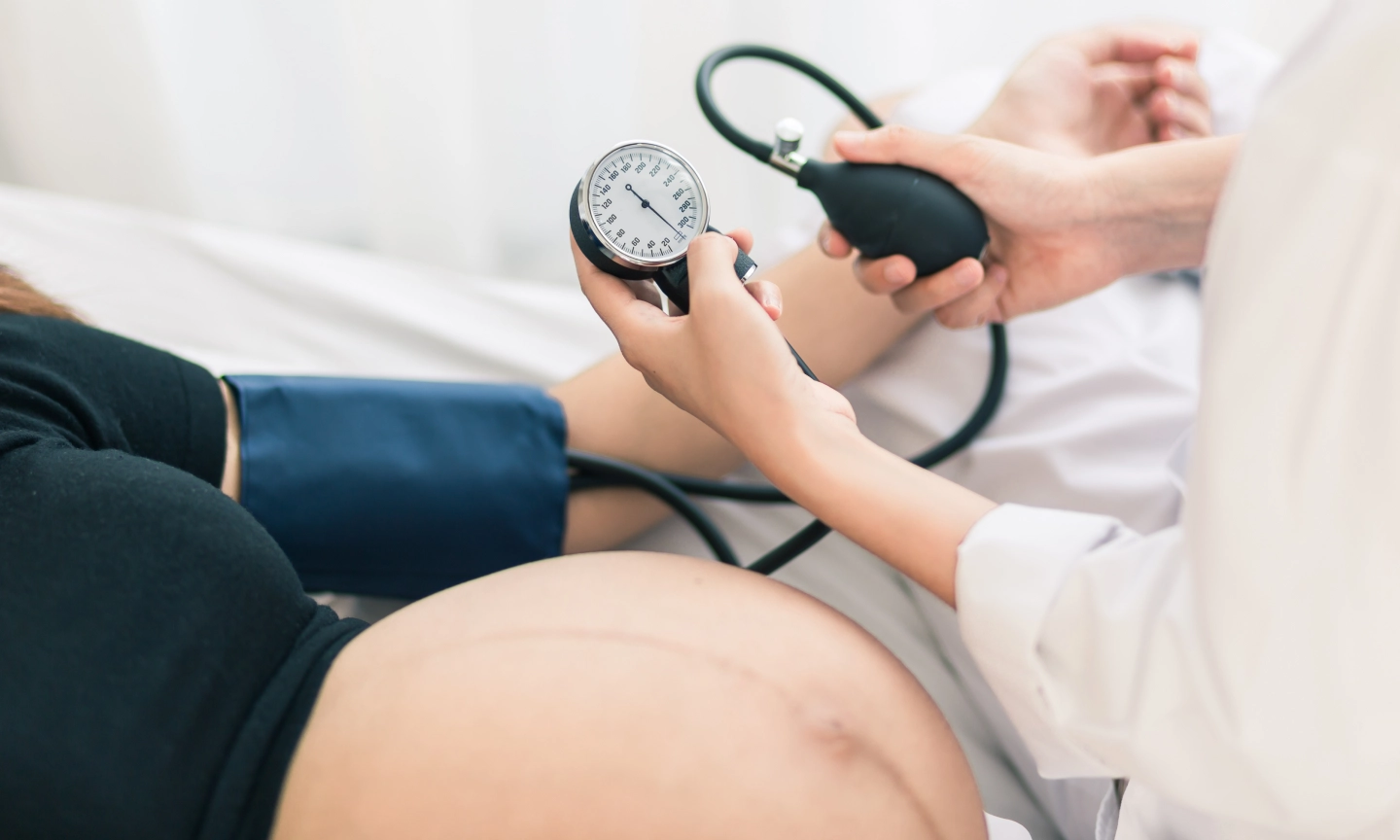
Pregnancy is a miraculous and transformative journey for women, but it comes with its own set of challenges. Pregnancy-induced hypertension (PIH), also known as gestational hypertension, is one such challenge that can affect both the mother and the unborn child. What
17 Nov 2023
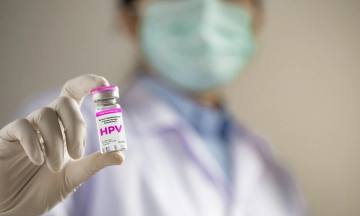
What is HPV ?? HPV is a group of more than 200 related viruses, of which more than 40 are spread through direct sexual contact. Among these, two HPV types cause genital warts, and about a dozen HPV types can cause
6 Nov 2023
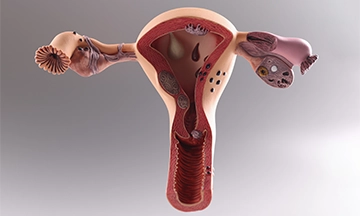
Abnormal uterine bleeding (AUB) is bleeding from the uterus that is longer than usual or that occurs at an irregular time. Bleeding may be heavier or lighter than usual and occur often or randomly. AUB can occur: As spotting or
20 Oct 2023

Pregnancy is a beautiful and transformative journey for many women, but it can also be accompanied by challenges. A high-risk pregnancy is one that need extra attention and care during the pregnancy to prevent complications for both the mother and
17 Oct 2023
Polycystic Ovary Syndrome (PCOD) is a common and complex hormonal disorder. It can lead to various physical and emotional challenges, from irregular periods to fertility issues and metabolic complications. In this blog, we'll dive into the world of PCOD, exploring
13 Oct 2023

Hearing aids and cochlear implants have transformed the lives of individuals with hearing impairments, enabling them to navigate the world of sound with greater clarity and ease. However, these remarkable hearing solutions often suffer from misconceptions and misunderstandings. In
13 Jul 2023
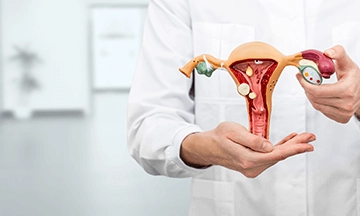
What surgeries do gynecologists perform? The most common surgeries performed by obstetrics and gynecologists include: Dilatation and Curettage (D&C) Hysteroscopy Endometrial Ablation Laparoscopy Tubal Ligation Salpingectomy Conization Hysterectomy Myomectomy Oophorectomy Ovarian cystectomy Pelvic Support surgery What are the most common gynecological problems? The most common gynecological problems are: White discharge Menstrual disorder Pelvic Floor Prolapse Pelvic pain Polycystic Ovarian Syndrome Uterine
22 Sep 2021

Natural pregnancy & delivery is a miracle of science. A fertility specialist, after understanding the delicate details of pregnancy, how it happens: always think that natural pregnancy is a wonder. So let’s read the story of natural pregnancy, which includes the
2 Jul 2021
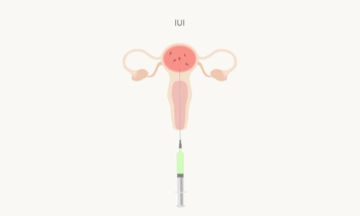
What is Intrauterine Insemination (IUI)? Artificial insemination or intrauterine insemination (IUI) forms, by and large, the first line of infertility treatment. It is simple and inexpensive which is technically easy to perform. Washed and concentrated sperm are placed directly in the uterus
2 Jul 2021
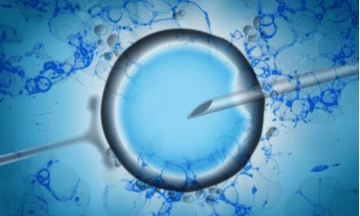
Assisted Reproductive Technology is a method of using scientific knowledge to help the needful couple to conceive and have a child. It is a technique where the human gametes are handled outside the body, fused and the formed embryos are
2 Jul 2021

There is sometimes a connection between hypothyroidism (when you have an underactive thyroid gland ) and infertility in women. In hypothyroidism, the thyroid gland doesn’t produce enough of certain necessary hormones. Low levels of thyroid hormones can interfere with the release
9 Feb 2021

Pregnancy in every woman is a phase that comes with immense happiness and excitement and a lot of fear. It is a stage where a woman has to be extra cautious about both her physical and mental health and must
2 Dec 2020
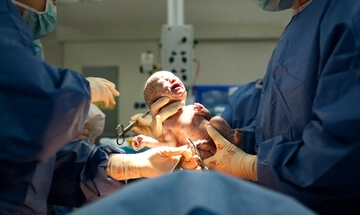
In India caesarean section (C-section) surgery has become more popular than normal delivery over a few years. According to a District Level Household Survey 3 (DLHS) report, there has been an increase in the rate of C-section surgery, 28.1% in
27 Nov 2020
Pregnancy is probably one of the most sensitive times in a woman’s life. The global Coronavirus outbreak that comes with loads of anxiety, fear and life like never before has made pregnant mothers even more worried. They are confused and
28 May 2020
Enquire Now