
Home/Wellness Zone/Sakra Blogs

22nd Sep, 2026
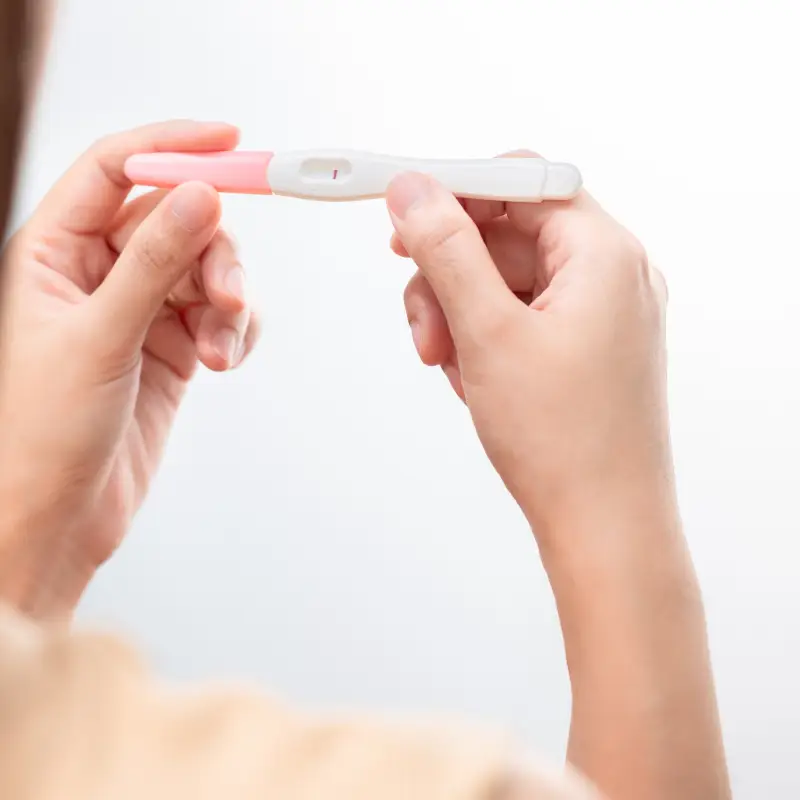
Ovulation is the process in which a mature egg is released from the ovary during the menstrual cycle. It is an essential part of natural conception because fertilisation can occur only when an egg is available to meet sperm.
When ovulation does not occur regularly, occurs less frequently, or stops altogether, it can make pregnancy difficult. Ovulation disorders are an important cause of female infertility and can develop due to hormonal imbalances, polycystic ovary syndrome (PCOS), thyroid disorders, changes in body weight, excessive exercise, stress and other medical conditions.
Understanding the underlying ovulation problem is important because treatment depends on the specific cause and the woman's overall reproductive health.
Ovulation disorders are conditions in which the ovaries do not release an egg normally. Ovulation may be absent, infrequent or unpredictable.
The main types include:
Anovulation: Ovulation does not occur during a menstrual cycle.
Oligo-ovulation: Ovulation occurs infrequently or irregularly.
Irregular ovulation: The timing of egg release varies considerably between menstrual cycles.
A woman may still experience vaginal bleeding even when ovulation has not occurred. Therefore, having periods alone does not always confirm that regular ovulation is taking place.
Normal ovulation depends on communication between the hypothalamus, pituitary gland and ovaries. The process involves several hormones working together:
GnRH: The hypothalamus releases gonadotropin-releasing hormone, which helps regulate reproductive hormone production.
FSH: Follicle-stimulating hormone encourages ovarian follicles to grow and develop.
Follicle development: Usually, one dominant follicle matures and contains the egg that may be released.
LH surge: A rise in luteinising hormone triggers the release of the mature egg.
Egg release: The mature egg leaves the ovary and enters the fallopian tube.
Fertilisation: If sperm is present during the fertile window, the egg may be fertilised.
A disruption in this hormonal process can result in an ovulation problem.
Different hormonal and reproductive conditions can interfere with normal egg release:
Polycystic Ovary Syndrome (PCOS): PCOS is a common cause of ovulatory dysfunction. Hormonal changes can interfere with follicle development and prevent regular egg release.
Hypothalamic Ovulatory Dysfunction: Significant weight loss, inadequate nutrition, excessive exercise, severe stress or certain illnesses can affect hypothalamic signalling and suppress reproductive hormones.
Hyperprolactinaemia: Excessively high prolactin levels can interfere with the hormones responsible for ovulation. It may cause irregular or absent periods and sometimes unexpected milk production from the breasts.
Thyroid Disorders: Both hypothyroidism and hyperthyroidism can affect menstrual cycles and reproductive hormone function. Abnormal thyroid hormone levels may interfere with regular ovulation.
Diminished Ovarian Reserve: Ovarian reserve refers to the number of eggs remaining in the ovaries. A reduced reserve can occur with age or certain medical conditions and may be associated with reduced fertility.
Primary Ovarian Insufficiency: This occurs when the ovaries stop functioning normally before the age of 40. Ovulation can become irregular or stop, resulting in infrequent or absent periods.
An ovulation problem can have several underlying causes. Some of the common factors include:
Hormonal imbalance: Changes in reproductive hormones can interfere with follicle development and egg release.
PCOS: PCOS can cause hormonal and metabolic changes that affect regular ovulation.
Thyroid disorders: Abnormal thyroid hormone levels can disrupt the menstrual cycle and reproductive function.
High prolactin levels: Elevated prolactin can suppress the hormonal signals required for ovulation.
Significant weight loss: Very low body weight or inadequate calorie intake can interfere with reproductive hormone production.
Excess body weight: Obesity can affect hormonal balance and is associated with ovulatory dysfunction in some women.
Excessive exercise: Very intense exercise, particularly when combined with inadequate energy intake, may suppress ovulation.
Stress: Significant psychological or physical stress can affect hypothalamic hormone signalling.
Age-related ovarian changes: Ovulation and ovarian function naturally change with increasing age.
Certain medications: Some medicines may affect reproductive hormone function or menstrual cycles.
Chronic medical conditions: Certain systemic illnesses can interfere with the hormonal processes required for ovulation.
The signs of irregular ovulation are not always obvious. Some women may have no noticeable symptoms and may only discover an ovulation problem when they have difficulty becoming pregnant.
Possible symptoms include:
Irregular periods: Periods may occur at unpredictable intervals when ovulation is inconsistent.
Absent periods: Ovulation may be absent when menstruation stops for several months.
Very long menstrual cycles: Long or widely spaced cycles can occur when ovulation happens infrequently.
Unusually short cycles: Frequent menstrual bleeding may sometimes be associated with hormonal or ovulatory problems, although other causes should also be considered.
Unpredictable fertile window: When ovulation varies from cycle to cycle, it can be difficult to identify the most fertile days.
Changes in cervical mucus: Cervical mucus normally becomes clearer, wetter and more slippery around ovulation. Changes in this pattern may provide clues but cannot confirm ovulation on their own.
Difficulty conceiving: Difficulty becoming pregnant despite regular unprotected intercourse may indicate an ovulation problem.
Symptoms related to the underlying condition: Acne, increased facial hair, unexpected breast milk production, changes in weight or other hormonal symptoms may occur depending on the cause.
The term unusual ovulation symptoms can refer to changes that differ from a person's usual menstrual or ovulatory pattern. However, symptoms alone cannot reliably determine whether ovulation has occurred.
Possible changes include:
No noticeable ovulation symptoms: Some women do not experience obvious physical symptoms during ovulation.
Changes in cervical mucus: Mucus may not show the usual clear and slippery pattern.
Changes in cycle length: Menstrual cycles may become unpredictable.
Irregular bleeding: Bleeding may occur outside the expected menstrual pattern.
Changes in ovulation-related pelvic discomfort: Some women experience mild mid-cycle pelvic pain, but its absence does not mean ovulation is not occurring.
Difficulty identifying fertile days: Irregular cycles can make fertility tracking less reliable.
Because these symptoms can have many causes, medical evaluation is more reliable than symptoms alone for identifying ovulatory dysfunction.
Ovulation is necessary for natural conception because the egg must be released from the ovary before fertilisation can occur.
Ovulation disorders can affect fertility in several ways:
No egg release: With anovulation, there is no egg available for fertilisation.
Infrequent egg release: Oligo-ovulation reduces the number of cycles in which conception can occur.
Unpredictable ovulation: Irregular ovulation makes it difficult to identify the fertile window accurately.
Underlying hormonal problems: Conditions such as PCOS or thyroid disorders can affect both menstrual cycles and reproductive function.
Other fertility factors: Ovulation may not be the only cause of infertility, so the health of the fallopian tubes, uterus and sperm should also be considered during a fertility evaluation.
Diagnosis begins with understanding the menstrual cycle and identifying possible underlying causes. A healthcare professional may assess:
Menstrual history: Cycle length, frequency, duration and changes in bleeding patterns are reviewed.
Medical history: Previous pregnancies, weight changes, exercise habits, medications and existing medical conditions may be considered.
Hormonal blood tests: Tests may include progesterone and, depending on the suspected cause, FSH, LH, prolactin and thyroid hormones.
Pelvic ultrasound: Ultrasound can assess the ovaries and uterus and may help identify conditions such as PCOS or other structural abnormalities.
Follicular monitoring: Serial ultrasound examinations can track follicle development and help determine whether ovulation is occurring.
Ovulation testing: Urinary LH tests and other fertility-tracking methods may help identify the fertile period, although they have limitations.
Ovarian reserve testing: Tests such as AMH and antral follicle count may be used when clinically appropriate to assess ovarian reserve. These tests do not by themselves confirm whether ovulation occurs.
Treatment depends on the cause of the ovulation disorder, age, ovarian reserve, other fertility factors and pregnancy goals.
Common approaches include:
Lifestyle and nutritional changes: Correcting inadequate calorie intake, significant weight changes or excessive exercise may help restore ovulation in some women.
Treatment of thyroid disorders: Appropriate thyroid treatment can help correct hormonal abnormalities that may be affecting reproductive function.
Treatment of high prolactin: Medicines may be prescribed when elevated prolactin is responsible for ovulatory dysfunction.
Management of PCOS: Treatment may focus on improving metabolic health, regulating ovulation and addressing individual symptoms.
Ovulation-inducing medicines: Medicines such as letrozole may be prescribed to stimulate ovulation, particularly in women with certain forms of anovulation such as PCOS.
Gonadotropin injections: Injectable FSH and related medicines may be used when appropriate to stimulate follicle development. Ultrasound and hormonal monitoring may be required during treatment.
Intrauterine insemination (IUI): IUI may be considered in selected cases, particularly when ovulation treatment is combined with other suitable fertility factors.
In vitro fertilisation (IVF): IVF may be considered when ovulation treatments are unsuccessful or when additional fertility problems are present.
Many causes of ovulatory dysfunction can be managed once the underlying problem is identified. Some women may begin ovulating more regularly after treating a hormonal or metabolic condition, while others may require medicines to stimulate ovulation.
The chances of conception depend on several factors, including:
The underlying cause of ovulation dysfunction
Age
Ovarian reserve
Duration of infertility
Sperm health
Fallopian tube health
Uterine health
Response to fertility treatment
Therefore, treatment is usually individualised rather than based only on the presence of irregular periods.
Medical evaluation can be helpful when menstrual cycles are consistently irregular, very infrequent or absent, particularly when pregnancy is desired.
A fertility evaluation is generally recommended after:
12 months of regular unprotected intercourse without pregnancy when the woman is under 35.
6 months of regular unprotected intercourse without pregnancy when the woman is 35 or older.
Earlier evaluation may be appropriate when periods are absent or highly irregular, there is a known reproductive or hormonal condition, or there are other factors that may affect fertility.
No. Irregular periods can have many causes, and not every irregular cycle is due to an ovulation disorder.
Possible causes include:
PCOS
Thyroid disorders
High prolactin levels
Significant weight changes
Excessive exercise
Stress
Perimenopause
Certain medications
Other reproductive or systemic conditions
A proper evaluation is needed to determine whether irregular periods are caused by abnormal ovulation or another condition.
Women trying to conceive may use different methods to understand their fertile period. These methods can provide useful information, but none should be considered a substitute for medical evaluation when ovulation is suspected to be abnormal.
Common methods include:
Menstrual cycle tracking: Recording the start and duration of each period can help identify cycle patterns.
Cervical mucus monitoring: Clear, slippery and stretchy mucus may occur around the fertile period.
Urinary LH kits: These tests detect the LH surge that generally occurs before ovulation.
Basal body temperature: A sustained rise in basal body temperature after ovulation can provide retrospective evidence that ovulation may have occurred.
Ultrasound monitoring: Follicular monitoring by ultrasound can provide more direct information about follicle development and ovulation.
Ovulation disorders are an important cause of infertility because they can prevent or reduce the regular release of eggs from the ovaries. Conditions such as PCOS, thyroid disorders, high prolactin levels, hypothalamic dysfunction and changes in ovarian function can contribute to an ovulation problem.
Irregular periods, absent periods and difficulty identifying the fertile window may indicate irregular ovulation, although symptoms alone cannot confirm an ovulation disorder. Appropriate hormonal testing, ultrasound and fertility evaluation can help identify the cause and guide treatment.
With the right diagnosis and individualised management, many ovulation-related fertility problems can be addressed. Early evaluation is particularly important when menstrual cycles are consistently irregular or when pregnancy has not occurred within the recommended timeframe.
1. What are ovulation disorders?
Ovulation disorders are conditions in which an egg is not released normally from the ovary. Ovulation may be absent, infrequent or irregular, which can make natural conception more difficult.
2. What causes an ovulation problem?
An ovulation problem can result from PCOS, thyroid disorders, high prolactin levels, significant weight changes, excessive exercise, stress or age-related changes in ovarian function. Certain medications and medical conditions can also interfere with ovulation.
3. Can irregular ovulation cause infertility?
Yes, irregular ovulation can reduce the frequency or predictability of egg release, making conception more difficult. Other fertility factors should also be assessed because infertility may have more than one cause.
4. What are the symptoms of irregular ovulation?
Irregular or absent periods, unpredictable menstrual cycles and difficulty identifying fertile days can be signs of irregular ovulation. Some women may have no obvious symptoms and may only discover the problem during a fertility evaluation.
5. How can I know if I am ovulating?
Ovulation may be tracked using menstrual cycle patterns, cervical mucus changes, urinary LH tests or basal body temperature. Ultrasound monitoring and hormonal testing can provide more reliable clinical assessment when an ovulation disorder is suspected.
6. Can PCOS cause ovulation problems?
Yes, PCOS commonly causes ovulatory dysfunction and may lead to irregular or absent ovulation. Appropriate management can improve ovulatory function in many women and may support conception.
Vaginal discharge can change
22 Sep 2026

Menstrual periods stop permanently
22 Sep 2026

Ovarian cysts are fluid-filled
22 Sep 2026

Egg freezing, medically known
22 Sep 2026
Ovulation is the process
22 Sep 2026

Pregnancy increases the body’s
22 Sep 2026
If you think PCOS means
16 Sep 2026

Irregular periods refer to
31 Jul 2026
Vaginal bleeding refers to
31 Jul 2026

Staying active during pregnancy
5 Jun 2026

Breastfeeding is one of
5 Jun 2026
Preterm labor is a
5 Jun 2026
Ovarian cysts are fluid-filled sacs
4 Jun 2025
Vaginal yeast infections are a
4 Jun 2025
Women’s health is a vast
4 Jun 2025
Thyroid disorders in pregnancy can
13 Mar 2025
Abnormal Uterine Bleeding (AUB) is
17 Nov 2023
Pregnancy is a miraculous and
17 Nov 2023
Pregnancy is a beautiful and
17 Oct 2023
Polycystic Ovary Syndrome (PCOD) is
13 Oct 2023
Hearing aids and cochlear implants
13 Jul 2023
Pregnancy is probably one of
28 May 2020

Can Oral Health Have an
29 Jan 2018
How can high-risk pregnancies be
6 Mar 2017
What is a High Risk
6 Mar 2017
Fetal medicine and its role
6 Mar 2017

Women have been breastfeeding since
6 Mar 2017

It is an act that
6 Mar 2017
0n 14th Feb 2017, while
3 Mar 2017
Osteoporosis
2 Sep 2014
Enquire Now