
Home/Wellness Zone/Sakra Blogs

22nd Sep, 2026
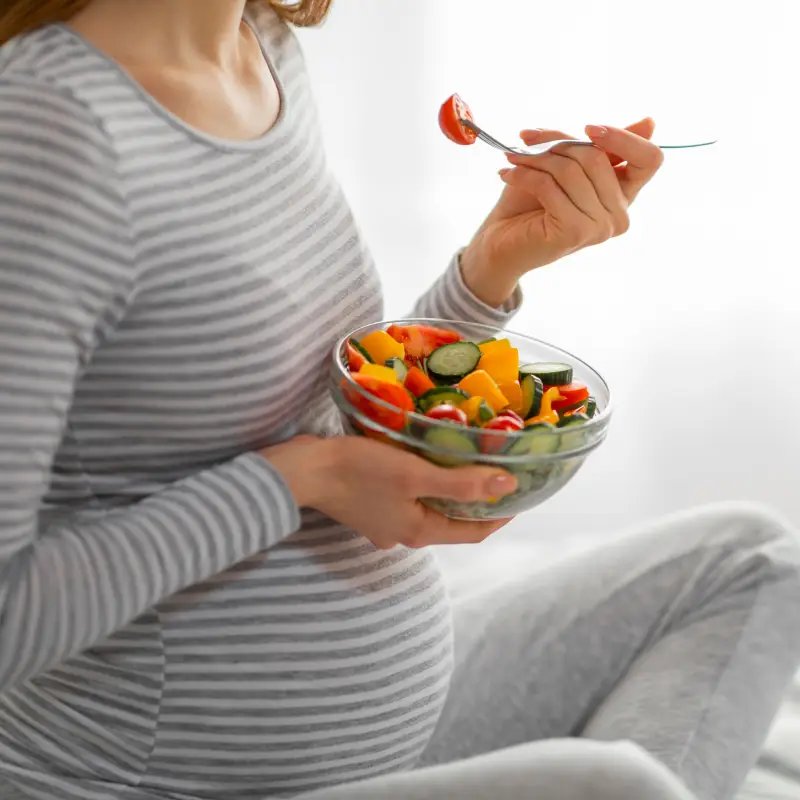
Pregnancy increases the body’s need for several essential nutrients that support the growth of the baby and maintain the mother’s health. A balanced pregnancy diet should provide adequate protein, iron, folate, calcium, iodine, vitamin D, vitamin B12, omega-3 fatty acids, fibre and fluids.
Choosing the right foods to eat for a healthy pregnancy can help meet these nutritional requirements while supporting healthy fetal development. Rather than focusing on a single “superfood,” it is important to eat a varied diet containing foods from different food groups.
The baby depends on the mother for nutrients needed for growth and development. At the same time, the mother’s body undergoes changes such as increased blood production and changes in metabolism, which increase the demand for certain nutrients.
A nutritious diet during pregnancy helps support:
Fetal growth and development: Protein, healthy fats, vitamins and minerals support the development of the baby’s organs, muscles, brain and nervous system.
Blood production: Iron, folate and vitamin B12 are important for producing healthy red blood cells.
Bone development: Calcium, vitamin D and phosphorus contribute to the development of the baby’s bones and teeth.
Brain development: Choline and omega-3 fatty acids, particularly DHA, play important roles in fetal brain and nervous system development.
Digestive health: Fibre from fruits, vegetables, whole grains and legumes can help prevent constipation, which is common during pregnancy.
The following foods can be included as part of a balanced pregnancy diet. The amount required varies according to individual nutritional needs, stage of pregnancy and medical conditions.
1. Green Leafy Vegetables
Spinach, amaranth, fenugreek leaves and other green leafy vegetables provide folate, fibre, vitamin K and several other micronutrients. Folate is particularly important during early pregnancy because it supports the development of the baby’s neural tube.
Leafy vegetables can be included in dals, curries, soups or other thoroughly cooked meals.
2. Fruits
Fresh fruits provide vitamins, minerals, fibre and naturally occurring antioxidants. Citrus fruits such as oranges and sweet lime are useful sources of vitamin C, while fruits such as guava can provide both vitamin C and fibre.
Whole fruits are generally preferable to juices because they retain their fibre and are less concentrated in naturally occurring sugars.
3. Pulses, Beans and Lentils
Dal, chickpeas, kidney beans, green gram, black gram and other legumes provide plant-based protein, iron, folate and fibre. They are particularly useful in vegetarian pregnancy diets.
Including different types of pulses throughout the week can improve dietary variety and help meet protein and micronutrient requirements.
4. Eggs
Eggs provide high-quality protein and are also a source of choline, vitamin B12 and other nutrients. Choline is involved in fetal brain development and nervous system function.
Eggs should be thoroughly cooked, with both the white and yolk firm, to reduce the risk of foodborne infection.
5. Milk and Other Pasteurised Dairy Products
Milk, curd, yoghurt and other pasteurised dairy products provide calcium and protein. Calcium is important for fetal bone and teeth development and also supports the mother’s bones and muscles.
For those who cannot tolerate dairy, suitable fortified alternatives may help provide calcium and vitamin D.
6. Nuts and Seeds
Almonds, walnuts, peanuts, chia seeds, flaxseeds and pumpkin seeds provide protein, unsaturated fats, fibre and minerals. Walnuts and certain seeds also provide plant-based omega-3 fatty acids.
A small serving can be added to breakfast, yoghurt, porridge or other meals. Anyone with a known food allergy should avoid the relevant food.
7. Whole Grains
Whole-wheat roti, oats, brown rice, millets, quinoa and other whole grains provide carbohydrates for energy along with fibre, vitamins and minerals. They can also help make meals more filling.
Replacing some refined grains with whole grains can improve the overall nutritional quality of the diet.
8. Lean Meat and Poultry
For women who eat meat, well-cooked chicken and lean meats provide protein, iron, zinc and vitamin B12. Iron from animal foods is generally more readily absorbed than non-haem iron from plant foods.
Meat should be thoroughly cooked and handled safely to reduce the risk of infections.
9. Low-Mercury Fish
Fish can provide high-quality protein and omega-3 fatty acids such as DHA, which are important for fetal brain and eye development. However, some fish contain high levels of mercury, which can be harmful to the developing nervous system.
Pregnant women should choose fish that are lower in mercury and follow recommended serving limits for pregnancy.
10. Foods Rich in Iron
Iron requirements increase substantially during pregnancy because the body needs to produce more blood to support the mother and baby. Good sources include lentils, beans, leafy vegetables, meat, poultry, eggs and iron-fortified foods.
Combining plant-based iron sources with vitamin C-rich foods can improve the absorption of non-haem iron.
11. Foods Rich in Calcium
Calcium is required for the development of the baby’s bones and teeth and also has important roles in muscle and nerve function. Milk, curd, yoghurt, paneer, fortified alternatives, sesame seeds and some leafy vegetables can contribute to calcium intake.
If dietary intake is inadequate, a healthcare professional may recommend calcium supplementation.
12. Foods Containing Healthy Fats
Healthy fats are an important part of pregnancy nutrition because fatty acids contribute to fetal brain and eye development. Nuts, seeds, avocado and suitable plant oils can provide unsaturated fats.
Omega-3 fatty acids can also be obtained from suitable low-mercury fish.
Healthy food in pregnancy means food that provides important nutrients while maintaining a balanced intake of carbohydrates, protein and fats. Meals should ideally contain a combination of vegetables or fruits, whole grains and a protein source rather than relying heavily on processed or highly sugary foods.
A simple way to build a balanced meal is to include:
Protein: Dal, beans, eggs, paneer, yoghurt, fish, chicken or other suitable protein sources
Whole-grain carbohydrates: Roti, oats, brown rice, millets or other whole grains
Vegetables: A variety of cooked vegetables and leafy greens
Fruit: Whole seasonal fruits
Healthy fats: Nuts, seeds and suitable unsaturated oils
Fluids: Primarily water, according to individual requirements
Some nutrients deserve particular attention because pregnancy increases their requirements or because deficiencies can affect maternal or fetal health.
1. Folate
Folate is essential for cell division and early fetal development. Adequate folic acid intake before conception and during early pregnancy helps reduce the risk of neural tube defects.
Food sources include leafy vegetables, beans, lentils, citrus fruits and fortified foods, but folic acid supplementation is commonly recommended during pregnancy as advised by a healthcare professional.
2. Iron
Iron is needed to produce haemoglobin and support the increased blood volume during pregnancy. Iron deficiency can lead to anaemia, which may cause tiredness and weakness and can have implications for pregnancy health.
Iron-rich foods should be combined with appropriate supplementation when prescribed.
3. Calcium and Vitamin D
Calcium supports fetal skeletal development, while vitamin D helps the body absorb and use calcium. Dairy products, fortified foods and certain other dietary sources can contribute to intake, while vitamin D supplementation may be advised based on individual needs.
4. Iodine
Iodine is important for thyroid hormone production and fetal brain development. Iodised salt is an important dietary source, although intake should remain within recommended limits.
5. Vitamin B12
Vitamin B12 supports red blood cell production and neurological function. It is naturally found mainly in animal-derived foods, so women following a vegetarian or vegan diet may need fortified foods or supplementation based on professional advice.
6. Omega-3 Fatty Acids
DHA, an omega-3 fatty acid, contributes to fetal brain and eye development. Suitable low-mercury fish are a dietary source, while supplementation may be considered when recommended by a healthcare professional.
Eating healthy foods is only one aspect of pregnancy nutrition. Food safety is equally important because certain infections and contaminants can pose risks during pregnancy.
Pregnant women should take care to:
Avoid raw or undercooked meat, poultry, seafood and eggs.
Avoid unpasteurised milk and dairy products.
Wash fruits and vegetables thoroughly before eating.
Avoid fish known to contain high levels of mercury.
Avoid alcohol during pregnancy.
Limit caffeine according to pregnancy-specific recommendations.
Avoid foods that have been improperly stored or may be contaminated.
Limit highly processed foods that are high in added sugars, salt or unhealthy fats.
Pregnancy does not mean that every meal needs to be complicated. A practical approach is to include several food groups across the day.
For example, breakfast can contain a whole grain with eggs or dairy and a serving of fruit. Lunch and dinner can combine vegetables, whole grains and a protein source such as dal, beans, paneer, eggs, fish or well-cooked meat.
Healthy snacks can include fruit, yoghurt, roasted chana, nuts or other suitable nutrient-rich options.
Women experiencing nausea, vomiting, heartburn, constipation or reduced appetite may need to modify meal size, timing and food choices with guidance from their healthcare provider.
A healthy diet is important, but food alone may not always provide sufficient amounts of certain nutrients during pregnancy. Healthcare professionals commonly recommend supplements such as folic acid, iron, vitamin D or calcium depending on the stage of pregnancy and individual nutritional requirements.
Supplements should be taken in the recommended dose rather than starting high-dose vitamins or minerals without medical advice.
The healthy foods to eat when pregnant include a variety of vegetables, fruits, whole grains, pulses, eggs, pasteurised dairy products, nuts, seeds and suitable sources of fish, poultry or meat. The goal is to provide adequate protein, iron, folate, calcium, iodine, vitamin D, vitamin B12, omega-3 fatty acids and fibre throughout pregnancy.
A healthy pregnancy diet should also consider food safety, hydration, appropriate supplementation and any medical conditions that require dietary changes. An obstetrician or qualified dietitian can help create an individualised nutrition plan when there are specific nutritional concerns or pregnancy complications.
1. What are the best foods to eat during pregnancy?
A balanced pregnancy diet can include vegetables, fruits, whole grains, pulses, eggs, pasteurised dairy products, nuts, seeds and suitable low-mercury fish or well-cooked meat. These foods provide important nutrients such as protein, iron, folate, calcium and healthy fats.
2. What is healthy food in pregnancy?
Healthy food in pregnancy is nutrient-dense food that provides essential vitamins, minerals, protein, fibre and healthy fats without excessive added sugar, salt or unhealthy fats. A varied diet containing foods from different food groups is generally more beneficial than focusing on one particular food.
3. Which foods are rich in iron during pregnancy?
Iron-rich foods include lentils, beans, leafy vegetables, eggs, lean meat, poultry and iron-fortified foods. Iron supplements may also be recommended during pregnancy when dietary intake alone is not sufficient.
4. What foods help with the baby's brain development?
Foods containing choline, omega-3 fatty acids, protein, iodine and other essential nutrients support fetal brain and nervous system development. Eggs, suitable low-mercury fish, dairy products, legumes, nuts and seeds can contribute to these nutrients.
5. Can pregnant women eat eggs every day?
Eggs can be included regularly as part of a balanced pregnancy diet because they provide protein and several important nutrients. They should always be thoroughly cooked to reduce the risk of foodborne infection.
6. Are fruits healthy during pregnancy?
Yes, whole fruits can provide fibre, vitamins, minerals and antioxidants during pregnancy. Eating a variety of fruits is generally preferable to relying heavily on fruit juices.
Vaginal discharge can change
22 Sep 2026

Menstrual periods stop permanently
22 Sep 2026

Ovarian cysts are fluid-filled
22 Sep 2026

Egg freezing, medically known
22 Sep 2026

Ovulation is the process
22 Sep 2026

Pregnancy increases the body’s
22 Sep 2026

If you think PCOS means
16 Sep 2026

Irregular periods refer to
31 Jul 2026

Vaginal bleeding refers to
31 Jul 2026

Staying active during pregnancy
5 Jun 2026

Breastfeeding is one of
5 Jun 2026

Preterm labor is a
5 Jun 2026
Ovarian cysts are fluid-filled sacs
4 Jun 2025
Vaginal yeast infections are a
4 Jun 2025

Women’s health is a vast
4 Jun 2025
Thyroid disorders in pregnancy can
13 Mar 2025
Abnormal Uterine Bleeding (AUB) is
17 Nov 2023
Pregnancy is a miraculous and
17 Nov 2023
Pregnancy is a beautiful and
17 Oct 2023
Polycystic Ovary Syndrome (PCOD) is
13 Oct 2023

Hearing aids and cochlear implants
13 Jul 2023
Pregnancy is probably one of
28 May 2020

Can Oral Health Have an
29 Jan 2018
How can high-risk pregnancies be
6 Mar 2017
What is a High Risk
6 Mar 2017
Fetal medicine and its role
6 Mar 2017

Women have been breastfeeding since
6 Mar 2017

It is an act that
6 Mar 2017
0n 14th Feb 2017, while
3 Mar 2017
Osteoporosis
2 Sep 2014
Enquire Now