
Home/Wellness Zone/Sakra Blogs

22nd Sep, 2026
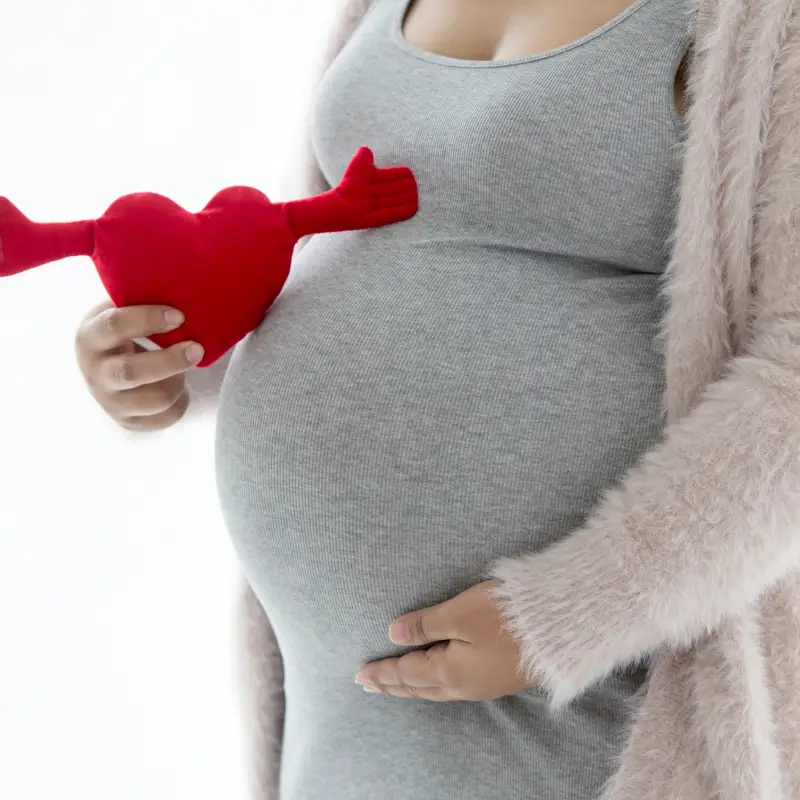
Egg freezing, medically known as oocyte cryopreservation, is a fertility preservation method in which a woman’s mature eggs are collected from the ovaries and frozen for potential use at a later time. The eggs can later be thawed, fertilised with sperm through in vitro fertilisation (IVF), and the resulting embryo can be transferred to the uterus.
Egg freezing does not guarantee a future pregnancy, but it can provide an option for women who want to preserve eggs at a younger age for possible use later. Understanding the benefits of freezing eggs, its limitations and the factors that affect success can help women make an informed decision about fertility preservation.
Egg freezing involves preserving mature eggs without fertilising them. Unlike embryo freezing, no sperm is required at the time of egg collection.
The process generally involves:
Ovarian stimulation: Hormonal medicines are used for around 8 to 14 days to encourage multiple ovarian follicles to develop.
Monitoring: Ultrasound scans and sometimes blood tests are performed to monitor follicle growth and hormone levels.
Egg retrieval: When the follicles are ready, an egg retrieval procedure is performed, usually under sedation or anaesthesia.
Egg assessment: Mature eggs suitable for freezing are identified.
Vitrification: Mature eggs are rapidly frozen using a technique called vitrification and stored at very low temperatures.
Future use: When pregnancy is desired, the eggs can be thawed and fertilised, usually through intracytoplasmic sperm injection (ICSI), before embryo transfer.
Egg freezing may offer several potential benefits, particularly for women who want to preserve reproductive options for later.
1. Preserves Eggs at a Younger Age
Egg quality generally declines with age, particularly from the mid-30s onward. Freezing eggs at a younger age allows the eggs to be preserved at the age when they were collected.
However, freezing younger eggs does not eliminate the effects of age on pregnancy itself. The health of the woman at the time of pregnancy still matters.
2. Provides an Option for Delaying Childbearing
Career plans, education, personal circumstances, relationship considerations or other life situations may lead some women to postpone pregnancy.
Egg freezing can provide an additional reproductive option for women who are not ready to become pregnant but want to preserve eggs for possible future use.
3. Can Preserve Fertility Before Certain Medical Treatments
Some medical treatments, particularly chemotherapy and radiation involving the reproductive organs, can damage ovarian function and reduce fertility.
Egg freezing before treatment may allow mature eggs to be preserved for potential future use. Fertility preservation should be discussed as early as possible before treatment begins because timing can be important.
4. May Help Women With Conditions That Can Affect Ovarian Function
Certain medical or reproductive conditions may affect ovarian function or reduce ovarian reserve over time. In selected cases, egg freezing may be considered as part of an individualised fertility preservation plan.
The decision depends on the condition, age, ovarian reserve and expected effect on fertility.
5. Does Not Require a Partner at the Time of Freezing
Egg freezing preserves unfertilised eggs, so sperm is not required during the initial procedure. This can be an option for women who want to preserve eggs without deciding on a future sperm source at the time of fertility preservation.
6. Preserves Reproductive Options
Egg freezing does not guarantee that a woman will have a baby in the future, but it can preserve the possibility of using eggs collected at an earlier age.
The number of eggs stored and the age at which they were frozen are important factors in the potential chance of future use.
7. May Reduce Some Age-Related Concerns About Egg Quality
The number and quality of eggs decline with increasing age. Freezing eggs earlier can preserve eggs before further age-related decline occurs.
However, egg freezing does not stop the biological ageing of the uterus or prevent pregnancy-related risks associated with an older age at pregnancy.
Egg freezing is better described as fertility preservation rather than a guaranteed method for the prevention of infertility.
It may help preserve reproductive potential when there is a foreseeable risk of declining fertility, such as:
Age-related decline in egg quality: Egg freezing can preserve eggs collected at a younger age.
Cancer treatment: Some cancer treatments can damage the ovaries, making fertility preservation important before treatment.
Certain medical conditions: Conditions that may affect ovarian function can sometimes prompt consideration of fertility preservation.
Planned delay of pregnancy: Women who anticipate postponing childbearing may consider egg freezing after discussing their individual reproductive goals with a fertility specialist.
It is important to understand that egg freezing cannot prevent all causes of infertility. It does not protect against future problems involving the uterus, fallopian tubes, sperm or other factors that may affect conception or pregnancy.
Egg freezing may be considered by women who:
Want to delay pregnancy: Women who are not currently ready for pregnancy may consider preserving eggs for potential future use.
Are undergoing fertility-affecting medical treatment: Egg freezing may be considered before chemotherapy, radiation or certain ovarian surgeries.
Have a risk of reduced ovarian function: Certain medical or genetic conditions may increase the risk of diminished ovarian function.
Want to preserve reproductive options: Some women may choose egg freezing based on personal circumstances after counselling about its benefits and limitations.
Egg freezing is not automatically recommended for every woman. Age, ovarian reserve, medical history and reproductive plans should be considered before making a decision.
The success of future treatment depends on several factors, including:
Age at egg freezing: Younger age at the time of egg collection is generally associated with better egg quality.
Number of mature eggs frozen: Having more mature eggs available provides more opportunities for future treatment.
Egg survival after thawing: Not every frozen egg will survive the thawing process.
Fertilisation: Not every thawed egg will fertilise successfully.
Embryo development: Some fertilised eggs may not develop into embryos suitable for transfer.
Uterine health: The ability to establish and maintain a pregnancy also depends on the uterus and overall reproductive health.
Sperm factors: Sperm quality can influence fertilisation and embryo development when the eggs are eventually used.
For these reasons, egg freezing should not be viewed as an insurance policy that guarantees a future baby.
There is no single number of eggs that guarantees a future pregnancy. The number recommended may depend on the woman's age, ovarian reserve, response to ovarian stimulation and future reproductive goals.
Some women may require more than one stimulation and egg-retrieval cycle to obtain an adequate number of mature eggs. A fertility specialist can estimate an appropriate target based on individual circumstances.
When a woman decides to use her frozen eggs, the eggs are thawed and assessed for survival. Because the outer layer of a mature egg can harden during freezing and thawing, ICSI is commonly used to inject a single sperm directly into the egg.
The resulting embryos may then be cultured for several days before an embryo suitable for transfer is placed into the uterus. Pregnancy occurs only if implantation and subsequent development are successful.
Egg freezing is generally considered an established fertility preservation technique, but it involves medical procedures and potential risks.
Possible considerations include:
Side effects of ovarian stimulation: Bloating, abdominal discomfort, mood changes and other temporary symptoms can occur.
Ovarian hyperstimulation syndrome: Excessive ovarian response to stimulation can cause OHSS, although modern protocols aim to reduce this risk.
Egg retrieval risks: Bleeding, infection or injury to nearby structures are uncommon but possible complications.
Emotional and financial considerations: Egg freezing can involve multiple appointments, medication costs, retrieval procedures and long-term storage expenses.
No guarantee of pregnancy: Some frozen eggs may not survive thawing, fertilise or develop into viable embryos.
A fertility specialist can explain the individual risks and expected benefits before treatment.
No. Egg freezing increases the options for future fertility treatment but does not guarantee a live birth.
The likelihood of success is influenced by the woman’s age when the eggs were frozen, the number of mature eggs stored, egg survival after thawing, fertilisation, embryo development and the health of the uterus and other reproductive factors.
The main difference is that egg freezing stores unfertilised eggs, while embryo freezing stores eggs that have already been fertilised and developed into embryos.
Egg freezing may be useful when a woman wants to preserve eggs without choosing a sperm source at the time of treatment. Embryo freezing may provide additional information about which eggs successfully fertilise and develop into embryos, but it requires sperm during the initial treatment cycle.
Fertility potential generally declines with age, so delaying the discussion until much later may reduce the potential benefit of egg freezing.
A fertility specialist can assess:
Age
Menstrual and reproductive history
Ovarian reserve
Medical conditions
Previous ovarian surgery or treatment
Planned cancer or other medical treatment
Future pregnancy plans
This assessment can help determine whether egg freezing is appropriate and what its realistic benefits and limitations may be.
The benefits of freezing eggs mainly relate to preserving mature eggs at the age they are collected and providing an additional reproductive option for possible future pregnancy. Egg freezing can be particularly relevant for women planning to delay childbearing, those facing treatments that may affect ovarian function, or those with certain risks to future fertility.
However, egg freezing is a method of fertility preservation, not a guaranteed prevention of infertility. Age at freezing, the number of mature eggs stored, egg survival, fertilisation, embryo development and uterine health all influence the likelihood of achieving a future pregnancy.
Women considering egg freezing should discuss their individual fertility goals and medical circumstances with a fertility specialist before deciding whether to proceed.
1. What are the main benefits of freezing eggs?
Egg freezing can preserve mature eggs collected at a younger age and provide an option for possible future pregnancy. It may also be useful before certain medical treatments that can affect ovarian function.
2. Does egg freezing prevent infertility?
Egg freezing does not prevent all types of infertility and cannot guarantee a future pregnancy. It is a fertility preservation method that may help preserve reproductive options when eggs are frozen at an earlier age.
3. What is the best age to freeze eggs?
There is no single age that is best for every woman, but younger age at egg freezing is generally associated with better egg quality. A fertility specialist can assess age, ovarian reserve and reproductive plans to discuss the potential benefits.
4. How long can frozen eggs be stored?
Mature eggs can be stored for extended periods using established cryopreservation techniques. The specific storage duration, legal requirements and consent arrangements depend on the clinic and applicable regulations.
5. Does egg freezing guarantee a baby later?
No, egg freezing does not guarantee a future pregnancy or live birth. Success depends on factors such as age at freezing, number of eggs stored, egg survival, fertilisation, embryo development and uterine health.
6. Can egg freezing be done before cancer treatment?
Yes, egg freezing may be considered before treatments such as chemotherapy or radiation that could affect ovarian function. Fertility preservation should be discussed promptly with the oncology and fertility teams because treatment timing can be important.
Vaginal discharge can change
22 Sep 2026

Menstrual periods stop permanently
22 Sep 2026

Ovarian cysts are fluid-filled
22 Sep 2026

Egg freezing, medically known
22 Sep 2026
Ovulation is the process
22 Sep 2026

Pregnancy increases the body’s
22 Sep 2026

If you think PCOS means
16 Sep 2026

Irregular periods refer to
31 Jul 2026

Vaginal bleeding refers to
31 Jul 2026

Staying active during pregnancy
5 Jun 2026
Breastfeeding is one of
5 Jun 2026
Preterm labor is a
5 Jun 2026
Ovarian cysts are fluid-filled sacs
4 Jun 2025
Vaginal yeast infections are a
4 Jun 2025
Women’s health is a vast
4 Jun 2025
Thyroid disorders in pregnancy can
13 Mar 2025
Abnormal Uterine Bleeding (AUB) is
17 Nov 2023
Pregnancy is a miraculous and
17 Nov 2023
Pregnancy is a beautiful and
17 Oct 2023
Polycystic Ovary Syndrome (PCOD) is
13 Oct 2023

Hearing aids and cochlear implants
13 Jul 2023
Pregnancy is probably one of
28 May 2020

Can Oral Health Have an
29 Jan 2018
How can high-risk pregnancies be
6 Mar 2017
What is a High Risk
6 Mar 2017
Fetal medicine and its role
6 Mar 2017

Women have been breastfeeding since
6 Mar 2017
It is an act that
6 Mar 2017
0n 14th Feb 2017, while
3 Mar 2017
Osteoporosis
2 Sep 2014
Enquire Now