
Home/Wellness Zone/Sakra Blogs

5th Jun, 2026
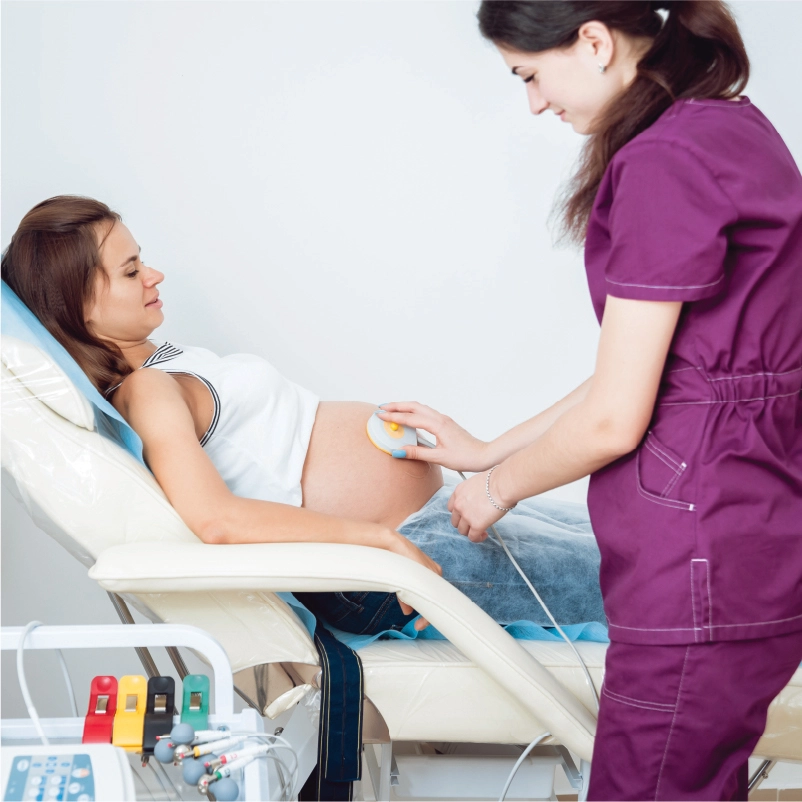
Preterm labor is a condition where the body starts preparing for childbirth too early, before the baby has fully matured. It is one of the leading causes of complications in newborns, but with early detection and proper care, many risks can be reduced significantly.
Preterm labor occurs when regular uterine contractions begin before 37 weeks of pregnancy and lead to changes in the cervix, such as thinning (effacement) and opening (dilation). A full-term pregnancy lasts about 40 weeks, and every extra week in the womb helps the baby’s organs, especially the lungs and brain, develop properly.
When labor starts early, the baby may be born prematurely, which can increase the need for medical support after birth.
In many cases, preterm labor happens without a clear cause. However, several medical, lifestyle, and pregnancy-related factors can increase the risk:
Previous preterm birth: Women who have had a premature delivery in the past are at a higher risk in future pregnancies due to underlying factors that may persist.
Multiple pregnancy (twins or more): Carrying more than one baby puts extra pressure on the uterus, which can trigger early contractions and cervical changes.
Infections: Infections of the urinary tract, vagina, or uterus can irritate the uterus and lead to early contractions. Sometimes, these infections may not show obvious symptoms.
Cervical insufficiency or short cervix: A weak or shortened cervix may open too early without pain, increasing the risk of preterm labor.
Chronic medical conditions: Conditions such as high blood pressure, diabetes, or thyroid disorders can complicate pregnancy and increase the likelihood of early labor.
Smoking, alcohol, or substance use: These habits can affect placental function and fetal development, raising the risk of premature birth.
High stress and poor nutrition: Emotional stress and lack of proper nutrients can impact hormonal balance and overall pregnancy health.
Placental problems: Issues like placental abruption (separation of placenta) or placenta previa can trigger early labor.
The symptoms of preterm labor can sometimes be subtle and easily overlooked. Being aware of them can help you seek timely medical care:
Regular contractions: Feeling tightening in the abdomen that occurs more than 4–6 times in an hour, even if they are not painful.
Lower abdominal cramps: Similar to menstrual cramps, these may come and go or persist over time.
Persistent lower back pain: A dull, constant ache in the lower back that does not go away with rest.
Pelvic pressure: A feeling that the baby is pushing down or increased heaviness in the pelvis.
Change in vaginal discharge: An increase in discharge or a change in its consistency (watery, mucus-like, or tinged with blood).
Vaginal spotting or bleeding: Even light bleeding should not be ignored during pregnancy.
Fluid leakage: A sudden gush or continuous trickle of fluid may indicate that the water has broken early.
If any of these symptoms occur before 37 weeks, it is important to contact a doctor immediately.
The goal of treatment is to delay delivery for as long as it is safely possible and to improve the baby’s chances of healthy development:
Although preterm labor cannot always be prevented, certain steps can lower the risk:
Regular prenatal check-ups: Routine visits help detect early warning signs and manage risk factors effectively.
Healthy diet and hydration: Eating a balanced diet rich in essential nutrients supports both maternal and fetal health.
Avoid harmful substances: Staying away from smoking, alcohol, and drugs is crucial for a healthy pregnancy.
Manage chronic conditions: Proper control of conditions like diabetes or hypertension reduces complications.
Reduce stress and get enough rest: Adequate sleep and stress management support overall well-being during pregnancy.
Treat infections early: Prompt treatment of infections can prevent them from triggering early labor.
Follow medical advice in high-risk cases: Doctors may recommend additional precautions such as progesterone therapy or cervical support procedures if needed.
Preterm labor is a serious but manageable condition when identified early. Understanding the causes, recognizing the warning signs, and seeking timely medical care can greatly improve outcomes. With proper monitoring and preventive care, many women can reduce the risk and have a healthier pregnancy journey.
1. What is the main cause of preterm labor?
There is often no single cause, but infections, multiple pregnancies, cervical issues, and a history of preterm birth are among the most common risk factors.
2. Can preterm labor be stopped?
It cannot always be stopped completely, but medications can delay labor for a short time, allowing doctors to provide treatments that improve the baby’s health.
3. Is preterm labor dangerous for the baby?
Yes, babies born prematurely may face complications such as breathing difficulties, low birth weight, and developmental issues. However, modern medical care has greatly improved outcomes.
4. When should I go to the hospital for preterm labor symptoms?
You should seek immediate medical attention if you notice regular contractions, fluid leakage, vaginal bleeding, or strong pelvic pressure before 37 weeks.
5. Can preterm labor be prevented completely?
It cannot always be completely prevented, but regular prenatal care, a healthy lifestyle, and early management of risk factors can significantly reduce the chances

PCOD and PCOS are terms that are often used interchangeably, but they do not mean exactly the same thing. Both are associated with hormonal and reproductive changes, and both can affect menstrual cycles, ovulation, weight, skin, and fertility.
29 Sep 2026
Vaginal discharge can change throughout a woman's life because of hormonal fluctuations. After menopause, however, a noticeable change in vaginal discharge, particularly when it is accompanied by a foul smell, itching, pain or bleeding, should not be ignored. Vaginal
22 Sep 2026

Menstrual periods stop permanently after menopause. Therefore, postmenopausal bleeding, or vaginal bleeding that occurs after menopause, is not considered a normal part of ageing and should be evaluated by a healthcare professional. The bleeding may be light spotting
22 Sep 2026

Ovarian cysts are fluid-filled sacs or solid areas that can develop in or on an ovary. They are common, particularly during the reproductive years, and many are harmless and disappear without treatment. However, some cysts can become large, rupture,
22 Sep 2026

Egg freezing, medically known as oocyte cryopreservation, is a fertility preservation method in which a woman’s mature eggs are collected from the ovaries and frozen for potential use at a later time. The eggs can later be thawed, fertilised
22 Sep 2026

Ovulation is the process in which a mature egg is released from the ovary during the menstrual cycle. It is an essential part of natural conception because fertilisation can occur only when an egg is available to meet sperm.
22 Sep 2026

Pregnancy increases the body’s need for several essential nutrients that support the growth of the baby and maintain the mother’s health. A balanced pregnancy diet should provide adequate protein, iron, folate, calcium, iodine, vitamin D, vitamin B12,
22 Sep 2026

If you think PCOS means irregular periods… you’re missing half the story. PMOS is much more than having irregular periods Some women with PMOS have irregular cycles. Some have acne or unwanted facial hair. Some struggle with weight gain or insulin resistance Some face difficulty
16 Sep 2026

Irregular periods refer to menstrual cycles that vary in timing, duration or flow. Periods may come too early, too late, be missed entirely or differ in intensity from cycle to cycle. While occasional irregularity can be normal, frequent changes
31 Jul 2026

Vaginal bleeding refers to any bleeding from the vagina that occurs outside the normal menstrual cycle or is unusually heavy, prolonged or irregular. While it can be a normal part of menstruation, unexpected bleeding may indicate hormonal imbalance,
31 Jul 2026

Staying active during pregnancy is one of the best things you can do for your health and your baby’s development. The right pregnancy exercises not only help reduce common discomforts like back pain and swelling but also improve strength,
5 Jun 2026

Breastfeeding is one of the most natural and beneficial ways to nourish a newborn. It supports a baby’s growth while also offering several health advantages for the mother. Understanding the advantages of breastfeeding, especially in the early months, can
5 Jun 2026
Preterm labor is a condition where the body starts preparing for childbirth too early, before the baby has fully matured. It is one of the leading causes of complications in newborns, but with early detection and proper care, many
5 Jun 2026
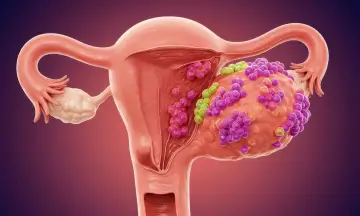
Ovarian cysts are fluid-filled sacs that form on or inside a woman’s ovaries. These cysts are a common part of the reproductive cycle, and most women will develop at least one in their lifetime, often without even realizing it. While
4 Jun 2025
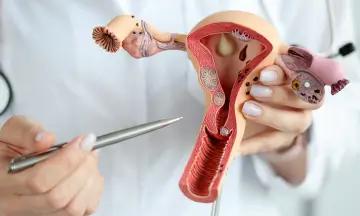
Vaginal yeast infections are a common and often uncomfortable condition caused by an overgrowth of the fungus Candida albicans. While over-the-counter antifungal medications are available, many women also look for natural, at-home remedies to help relieve symptoms such as itching,
4 Jun 2025

Women’s health is a vast and specialized area of medicine. Two key medical specialties that play a crucial role in this field are obstetrics and gynaecology. Often used together as "OB-GYN", these terms can be confusing for many people. Although
4 Jun 2025
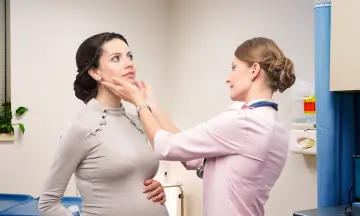
Thyroid disorders in pregnancy can affect both maternal and fetal health, making early detection and management essential. Conditions like hypothyroidism in pregnancy and hyperthyroidism impact hormone levels, which play a vital role in fetal development. Understanding thyroid in pregnancy,
13 Mar 2025
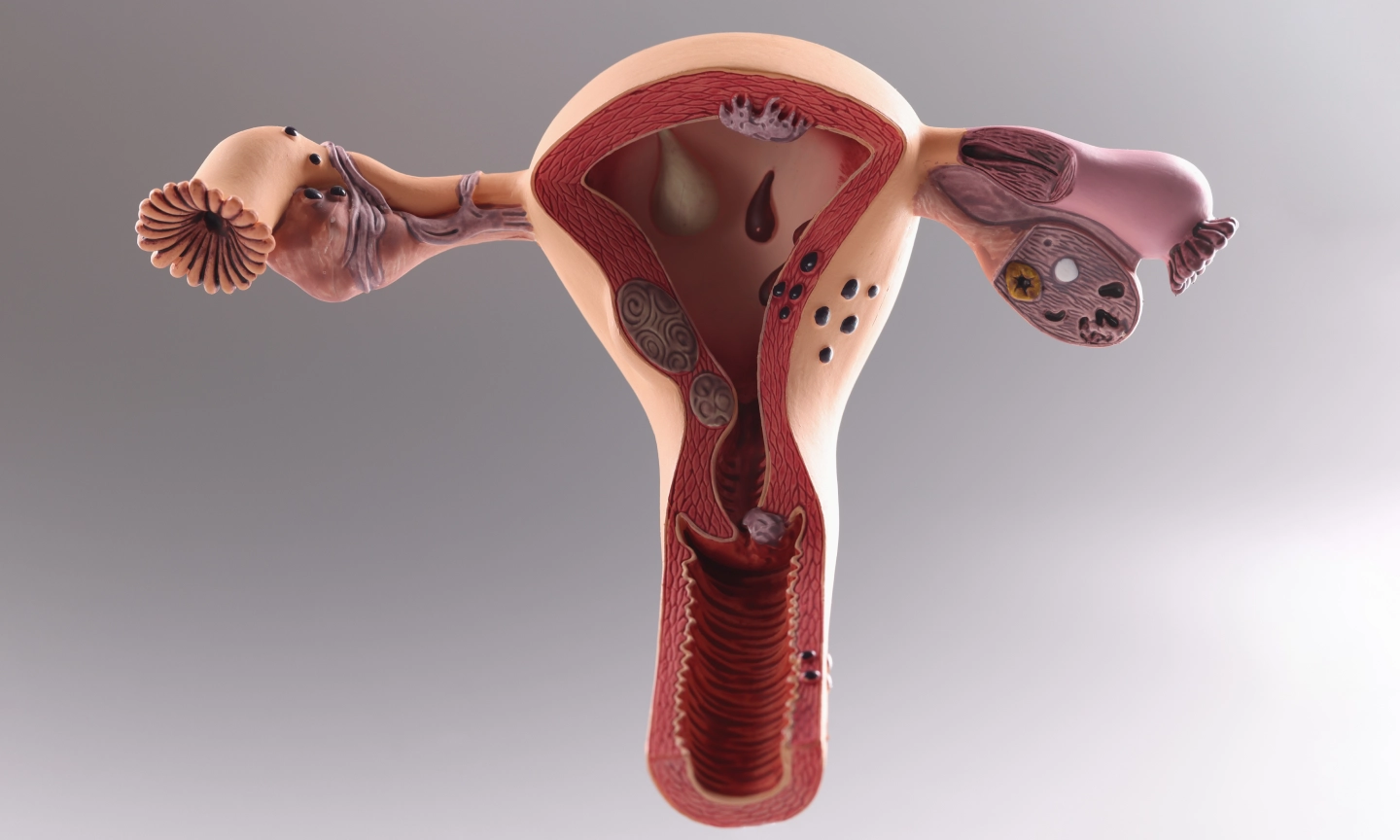
Abnormal Uterine Bleeding (AUB) is a common gynecological issue that affects many women across different age groups. Defined as any deviation from the normal menstrual cycle, AUB can have various causes and present with diverse symptoms. Understanding Abnormal Uterine Bleeding AUB is
17 Nov 2023
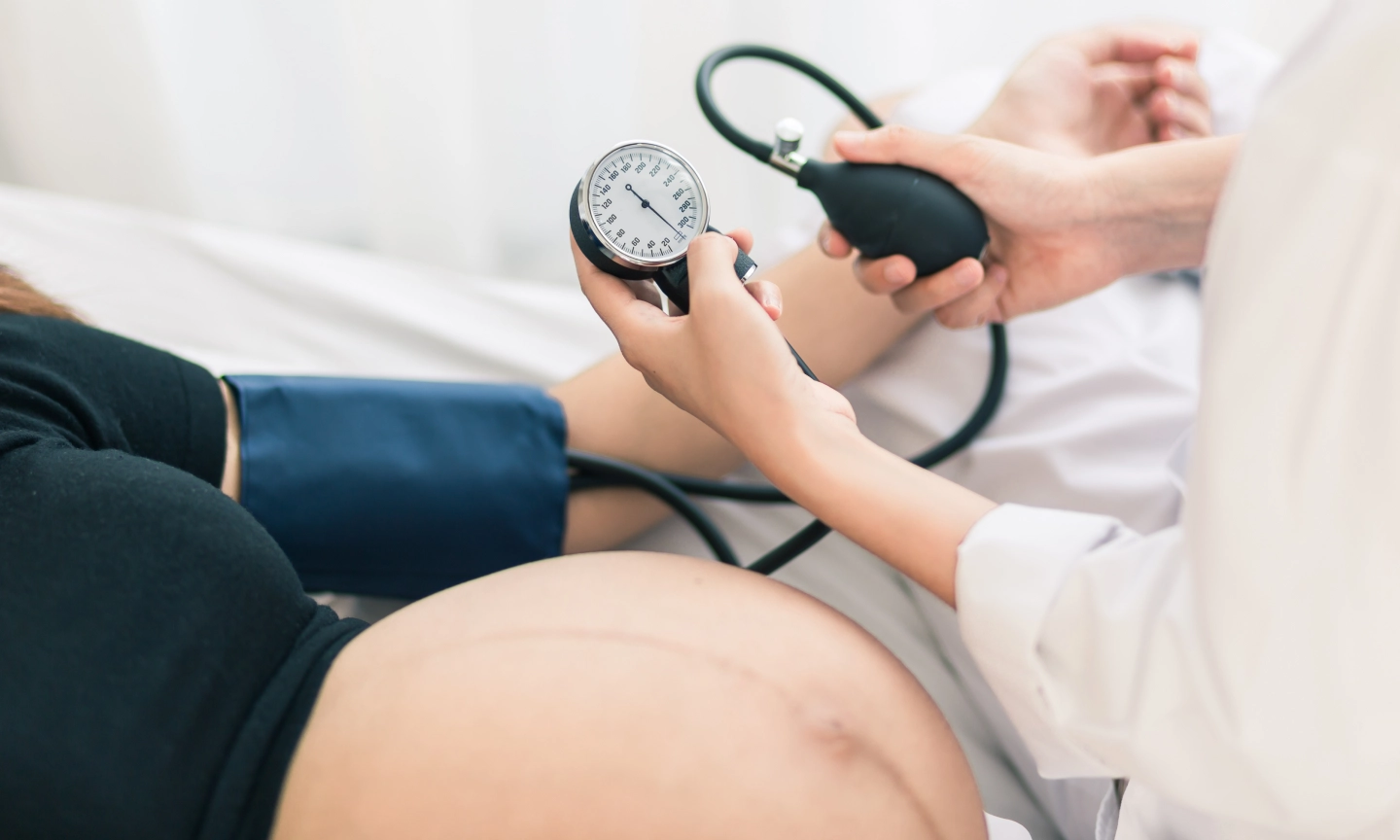
Pregnancy is a miraculous and transformative journey for women, but it comes with its own set of challenges. Pregnancy-induced hypertension (PIH), also known as gestational hypertension, is one such challenge that can affect both the mother and the unborn child. What
17 Nov 2023

Pregnancy is a beautiful and transformative journey for many women, but it can also be accompanied by challenges. A high-risk pregnancy is one that need extra attention and care during the pregnancy to prevent complications for both the mother and
17 Oct 2023
Polycystic Ovary Syndrome (PCOD) is a common and complex hormonal disorder. It can lead to various physical and emotional challenges, from irregular periods to fertility issues and metabolic complications. In this blog, we'll dive into the world of PCOD, exploring
13 Oct 2023

Hearing aids and cochlear implants have transformed the lives of individuals with hearing impairments, enabling them to navigate the world of sound with greater clarity and ease. However, these remarkable hearing solutions often suffer from misconceptions and misunderstandings. In
13 Jul 2023

Pregnancy is probably one of the most sensitive times in a woman’s life. The global Coronavirus outbreak that comes with loads of anxiety, fear and life like never before has made pregnant mothers even more worried. They are confused and
28 May 2020

Can Oral Health Have an Effect on Pregnancy? Recent research indicates a link between gum disease and childbirth complications. Pregnant women who have gum disease may be more likely to have a baby that is born too early and too small. More
29 Jan 2018
How can high-risk pregnancies be managed? For all women who are diagnosed with a high-risk pregnancy, treatment options vary depending on the risk factors specific to the pregnancy and the woman’s medical history. High Blood Pressure It is important to regulate blood pressure
6 Mar 2017
What is a High Risk Pregnancy? A high risk pregnancy is the one in which some conditions puts the mother or the developing fetus or both at higher than normal risk of developing complications during or after the pregnancy and birth.
6 Mar 2017
Fetal medicine and its role in pregnancy Fetal medicine is a specialty that provides a holistic approach towards fetal care and works in sync with Obstetrics and Gynecology to ensure a safe and healthy delivery. All kinds of specialized diagnostic and
6 Mar 2017

Women have been breastfeeding since the beginning of time, but it cannot be stated that every woman is always prepared to breastfeed. Every woman who experiences childbirth for the first time is completely new to breastfeeding as well. Nursing can
6 Mar 2017

It is an act that not only helps you feed your baby but one that builds a special bond between you and your baby. What are the benefits of breastfeeding for the baby? It is the best source of nutrition for the
6 Mar 2017

0n 14th Feb 2017, while Sakra World Hospital was launching its new comprehensive maternity program – Birth and Blossom, one of their trained nursing staff was doing a miraculous emergency delivery in an ambulance. It was around 3 PM when
3 Mar 2017
Osteoporosis is estimated to affect 200 million women worldwide - approximately one-tenth of women aged 60, one-fifth of women aged 70, two-fifths of women aged 80 and two-thirds of women aged 90.Worldwide, osteoporosis causes more than
2 Sep 2014
Enquire Now