

Home/Wellness Zone/Sakra Blogs

3rd Jul, 2026

When periods become irregular, most people think of stress, PCOS, or dietary changes. While these are common causes, there can be less obvious factors at play. One surprising contributor could be something as simple as a persistently blocked nose.
It may sound unusual, but chronic nasal congestion can affect your breathing, sleep quality, and ultimately your hormonal balance. When your body is not getting proper rest and oxygen, it can disrupt systems that regulate your menstrual cycle.
Your body follows natural rhythms, especially the circadian rhythm, which controls sleep, hormone release, and overall balance. When your nose is constantly blocked, this rhythm can get disturbed in subtle but important ways.
Here are some key reasons why a persistent nasal blockage can quietly disrupt your hormonal balance:
Many people ignore a blocked nose, assuming it’s a minor issue. However, if you are experiencing the following symptoms, it may be affecting more than just your breathing:
Waking up feeling tired: Even after adequate sleep time, you may feel exhausted. This indicates poor sleep quality rather than lack of sleep duration.
Snoring or noisy breathing: This suggests partial airway obstruction, which can disturb sleep cycles and oxygen flow.
Mouth breathing or dry mouth: Waking up with a dry mouth is a common sign of nasal blockage. It indicates that your body is not breathing optimally during sleep.
Facial puffiness or heaviness: Chronic congestion can cause fluid retention and a feeling of heaviness around the face and eyes.
Addressing nasal obstruction through medical treatment, allergy management, or minor procedures can often lead to noticeable improvements in overall health.
Track your cycle and sleep patterns: Keep a record of your menstrual cycle along with sleep quality and breathing patterns. This can help identify any connection between disrupted sleep and irregular periods.
Watch for breathing-related signs: Notice symptoms like snoring, mouth breathing, or waking up with a dry throat. These are important clues that your nasal health may need attention.
Treat nasal issues early: Manage allergies, colds, or sinus infections promptly. Early treatment can prevent chronic congestion and its long-term effects.
Avoid overuse of nasal sprays: Excessive use of decongestant sprays can worsen blockage over time. Use them only as advised by a doctor.
Consult a specialist if needed: If symptoms persist, an ENT consultation can help identify underlying causes like a deviated septum, adenoids, or chronic sinusitis.
Irregular periods are not always just a gynecological issue. Sometimes, the root cause may lie in something as unexpected as poor breathing and disrupted sleep due to a blocked nose.
Your body functions as a connected system, where sleep, oxygen levels, and hormones all influence each other. By paying attention to symptoms beyond the obvious and addressing nasal health, you may be able to restore balance naturally.
If your periods are irregular and you also struggle with chronic nasal congestion, it may be time to look at the bigger picture and seek the right guidance.
1. Can a blocked nose really affect menstrual cycles?
Yes, indirectly. A blocked nose can disturb sleep and oxygen levels, which can affect hormone regulation and lead to irregular periods.
2. How does poor sleep impact periods?
Poor sleep disrupts hormones like melatonin and cortisol, which influence ovulation. This can result in delayed or missed cycles.
3. Is this common in women with PCOS?
Yes, women with PCOS are more sensitive to sleep disturbances and inflammation. Nasal blockage can worsen symptoms like irregular periods and insulin resistance.
4. When should I see a doctor?
If you have ongoing nasal congestion along with irregular periods, fatigue, or snoring, it’s advisable to consult a doctor for evaluation.
5. Can treating nasal blockage improve periods?
In some cases, yes. Improving breathing and sleep quality can help restore hormonal balance and regulate menstrual cycles.

Snoring might seem like a harmless nuisance at first, but over time it can disturb your sleep, affect your partner, and even point to deeper health concerns like obstructive sleep apnea (OSA). While many people blame the throat, the
3 Jul 2026

Food allergies are becoming more common, and many people struggle to understand why certain foods trigger reactions while others don’t. A food allergy happens when the immune system reacts strongly to specific foods, thinking they are harmful. This can
17 Dec 2025

Allergies are widespread and can affect people of all ages, yet many are unclear about what is allergy and how it impacts the body. They occur when the immune system overreacts to harmless substances, causing reactions that range from mild
17 Dec 2025

Vertigo is a condition that makes you feel as if you or your surroundings are spinning. It can affect balance, concentration and daily activities. Many people look for safe options to manage vertigo at home, especially when episodes are
17 Dec 2025

What Is Vertigo? Vertigo is a sensation that makes you feel like the world around you is spinning, or you are moving when you are actually still. It isn’t a disease by itself, but a symptom of an underlying
17 Dec 2025

A sore throat can make speaking, swallowing, and even resting uncomfortable. Whether it's caused by a viral infection, allergies, or weather changes, relief often starts right at home. Thankfully, there are many home remedies for throat pain and throat infection
23 Apr 2025

Snoring is a common phenomenon that affects millions of people worldwide. While it is often regarded as a mere annoyance, it can sometimes signal underlying health issues that need attention. Snoring vs Sleep Apnea Snoring and sleep apnea are often used interchangeably,
18 Jun 2024
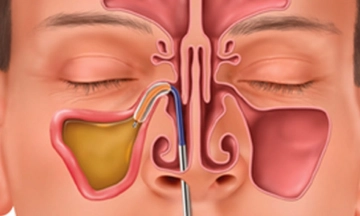
If you've ever had chronic sinusitis, you know how miserable it can be. Constant congestion, headaches, and facial pain can really affect your daily life. Traditional sinus surgery can be invasive, with long recovery times and significant discomfort. However,
18 Jun 2024
Sudden sensorineural hearing loss (SSNHL) is a condition where hearing loss occurs in one or both ears in a short period, usually within 72 hours. It can range from mild to profound and can be accompanied by tinnitus (ringing in
13 Dec 2023
Enquire Now