
Home/Wellness Zone/Sakra Blogs

6th Mar, 2017
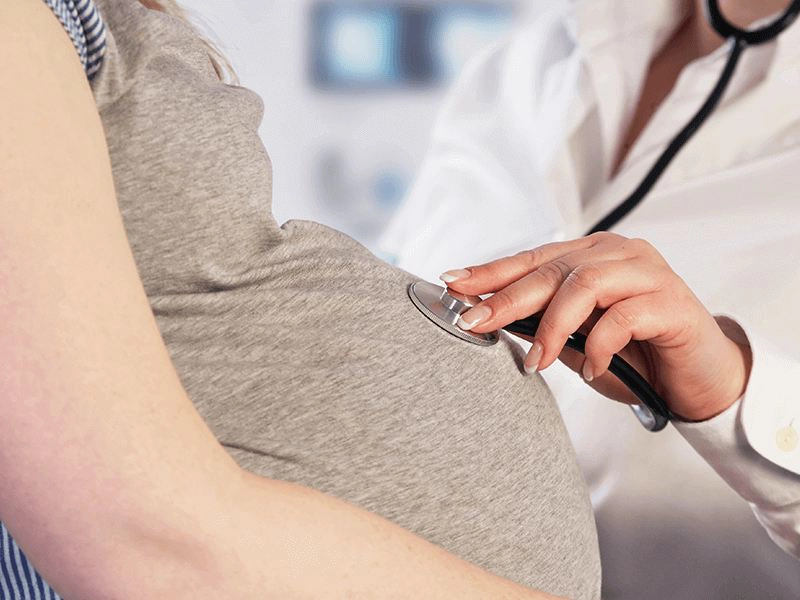
How can high-risk pregnancies be managed?
For all women who are diagnosed with a high-risk pregnancy, treatment options vary depending on the risk factors specific to the pregnancy and the woman’s medical history.
High Blood Pressure
It is important to regulate blood pressure during pregnancy which can be done by making some changes in the high blood pressure medication. Certain diet and lifestyle changes may also be recommended to keep the blood pressure under control.
Gestational Diabetes
Gestational diabetes, or developing diabetes during pregnancy, increases the risk of pregnancy complications. Often times the woman is diabetes only during pregnancy and is normal after the delivery. Many women having gestational diabetes have healthy pregnancies and healthy infants provided they follow a recommended diet and treatment plan. Some important points to be considered by a woman diagnosed with gestational diabetes include:
Regular monitoring of blood sugar level and maintaining control. A woman diagnosed with gestational diabetes must regularly track her blood sugar levels by testing several times a day.
Eating a healthy diet. A low carbohydrate diet with meals spread throughout the day helps to keep blood sugar under control. As diet plans may vary for each individual’s needs, one must always follow a diet as recommended by a dietician and the doctor.
Maintaining a healthy weight. The amount of weight gain that is healthy for a woman will depend on how much she weighed before pregnancy. It is important to track both overall weight gain and the weekly rate of weight gain.
Maintaining a daily record of diet, exercise, and glucose level. A woman with gestational diabetes should write down her blood sugar numbers, physical activity, and everything she eats and drinks in a daily record book.
Some women with gestational diabetes will also need to take medicine, such as an oral hypoglycemic tablet or insulin to help manage their diabetes.
HIV Treatment
HIV infection can be passed from a mother to her fetus as well as during childbirth and breastfeeding, but treatment can prevent transmission.
What steps can be taken to promote a healthy pregnancy?
Staying healthy is probably the first step that one needs to do to lower the risk of having a difficult pregnancy. With the increasing incidence of high risk pregnancies in the current times, it is highly recommended to follow a healthy lifestyle and also consider a pre conception evaluation by a health care providers to ensure fitness for a pregnancy.
Even during the pregnancy, there are steps that can be taken to reduce the risk of certain problems:
Taking at least 400 micrograms of folic acid (a type of vitamin B) every day before and during pregnancy.
Getting proper immunizations.
Maintaining a healthy weight; eating a good diet; getting regular physical exercise.
Smoking, alcohol, or drug use should be strictly avoided.
Prenatal care appointments early during pregnancy and visiting a health provider for regularly scheduled appointments throughout the pregnancy should be given prime importance.
Management of High-Risk Pregnancies at Sakra World Hospital
Sakra World Hospital being a multidisciplinary hospital has a highly qualified and experienced team of specialists from all departments. Our high-risk obstetrics team offers a well-coordinated comprehensive continuum of care for the management of complicated pregnancies throughout pregnancy, childbirth, and beyond to protect both the mother and the baby.
Being a tertiary care hospital, multidisciplinary team involvement is built in to give the best outcome. Experts in neonatology, critical care, endocrinology, rheumatology, cardiology, neurology, nephrology, gastroenterology, urology, interventional radiology, transfusion medicine, laboratory medicine are all available round the clock.
Sakra Advantages – All under one roof:
1. Exclusive labor and delivery rooms specially designed to create a living and safe setting during childbirth.
2. Options for painless labor using analgesic and breathing techniques
3. Ultra-modern operation theatres dedicated to obstetrics
4. Day assessment unit
5. Early pregnancy assessment
6. High dependency unit
7. Intensive care unit
8. Neonatal ICU
9. Round the clock blood bank services
10. Laboratory medicine
11. Interventional radiology

PCOD and PCOS are
29 Sep 2026
Vaginal discharge can change
22 Sep 2026

Menstrual periods stop permanently
22 Sep 2026

Ovarian cysts are fluid-filled
22 Sep 2026

Egg freezing, medically known
22 Sep 2026

Ovulation is the process
22 Sep 2026

Pregnancy increases the body’s
22 Sep 2026

If you think PCOS means
16 Sep 2026

Irregular periods refer to
31 Jul 2026

Vaginal bleeding refers to
31 Jul 2026

Staying active during pregnancy
5 Jun 2026

Breastfeeding is one of
5 Jun 2026

Preterm labor is a
5 Jun 2026
Ovarian cysts are fluid-filled sacs
4 Jun 2025
Vaginal yeast infections are a
4 Jun 2025

Women’s health is a vast
4 Jun 2025
Thyroid disorders in pregnancy can
13 Mar 2025
Abnormal Uterine Bleeding (AUB) is
17 Nov 2023
Pregnancy is a miraculous and
17 Nov 2023

Pregnancy is a beautiful and
17 Oct 2023
Polycystic Ovary Syndrome (PCOD) is
13 Oct 2023

Hearing aids and cochlear implants
13 Jul 2023

Pregnancy is probably one of
28 May 2020

Can Oral Health Have an
29 Jan 2018
How can high-risk pregnancies be
6 Mar 2017
What is a High Risk
6 Mar 2017

Fetal medicine and its role
6 Mar 2017

Women have been breastfeeding since
6 Mar 2017

It is an act that
6 Mar 2017

0n 14th Feb 2017, while
3 Mar 2017
Osteoporosis
2 Sep 2014
Enquire Now