

Home/Wellness Zone/Sakra Blogs

9th Nov, 2017
What is a Stroke?
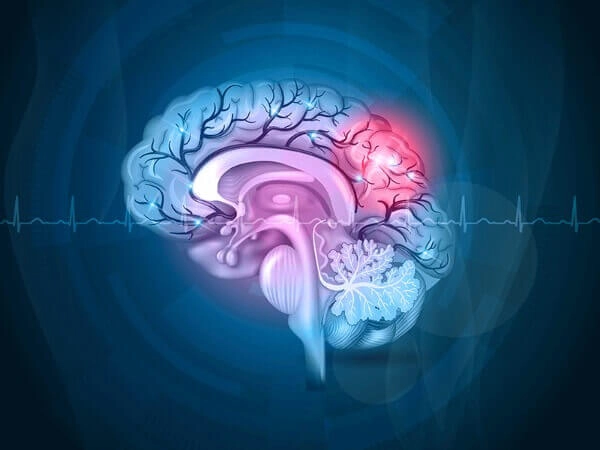
Stroke is also known as “Brain Attack”. It is similar to a heart attack in nature. It has the potential to affect people of all age groups. The stroke happens when the blood supply directed toward the brain is cut off abruptly. Without blood, the brain cells are deprived of oxygen and other nutrients and hence the brain cell begins to die. The damaged caused by it is relational to the area of the brain it affects. Stroke affects people’s most basic functional aspects such as speech, mobility and their ability to think, feel or respond. Consequences of a stroke on a person depend on where it occurs in the brain and the amount of damage caused by it.
Is a Stroke treatable?
Though Stroke is a complex medical issue, there are effective ways to minimize its effects. Identifying early signs of stroke and seeking emergency medical care in the dedicated “stroke unit” minimizes the effects of it.
Stroke can be treated effectively if one seeks emergency stroke treatment in the initial 3-4.5 hrs. Also, an early access to the best professional care can significantly improve results.
What are the warning signs of a Stroke?
Symptoms of a stroke are sudden and unexpected. Here are the warning signs of a stroke:
1. Sudden, severe headache
2. Sudden trouble seeing in one or both eyes
3. Sudden weakness of the face, arm or leg, particularly on one side of the body
4. Sudden trouble speaking or understanding
5. Sudden trouble in walking, coordination and a significant loss of balance or dizziness
If you notice one or more of these signs, don’t worry or panic.
Call your emergency medical services and get to a hospital immediately.
6 Key facts about Stroke Treatment
1. You can make a positive difference by recognizing the signs of Stroke
Recognizing the signs of Stroke and getting the treatment on time saves lives and accounts for a speedy recovery.
If you think someone may have had a stroke, check for these signs quickly:
1. Face – Is one side drooping?
2. Arms – Raise both arms. Is one side weak?
3. Speech – Is the person able to speak? Are words jumbled or slurred?
4. Time – Act quickly. Seek emergency medical attention immediately.
2. When cared for in a specialized stroke unit, around 1 in 10 diagnosed people make fast recovery
All the patients with stroke (ischaemic or haemorrhagic) should be admitted to a specialized stroke unit, which involves a designated ward with a specialized team. This team includes a Neurologist, Neurosurgeon, Neurointerventionist, Neuroradiologist and a Stroke rehabilitation specialist.
3. Provide the patient with clot-busting drugs (tPA or thrombolysis) and enhance his or her chances of recovery by 30%
Clot-busting drugs break up blood clots. This treatment can be administered up to 4.5 hours of symptom onset in many patients with ischaemic stroke. The earlier it is given, the greater the effect.
4. Provide the patient with clot retrieval treatment and enhance his or her chances of recovery by 50%
Clot retrieval treatment (mechanical thrombectomy) involves removing a blood clot from the large arteries by Neurointerventionists in the cath lab. Clot retrieval can improve survival rates and reduce disability for many people with ischaemic stroke caused by large artery blockage.
5. The most critical step in the treatment process is rehabilitation
Rehabilitation starts in the hospital by neurosurgeons as soon as possible post a stroke. It can improve the patient’s functionality and assist him or her in regaining maximum independence with time.
6. One in four survivors will have another stroke.
Stroke risk can be reduced by treating risk factors for stroke. Treatments that prevent another stroke include drugs to lower blood pressure and cholesterol, antiplatelet therapies, anticoagulation for atrial fibrillation, surgery or stenting for selected patients with severe carotid artery narrowing.
“Right Stroke Care Makes a Difference”
Join the fight against stroke.
Stroke affects all of us. So let’s take an action, a drive awareness and push for a better access to stroke treatments.
Learn how to contribute in spreading awareness and access with regard to a stroke.
Individuals
1. Be aware. Learn the signs of stroke and know to take immediate action.
2. Share this information with family and friends.
Learn How To Prevent A Stroke
Here are six steps anyone can take to reduce the risk and danger of a stroke:
1. Know your personal risk factors: High blood pressure, diabetes, and high blood cholesterol.
2. Be physically active and exercise regularly.
3. Maintain a healthy diet- High in fruits and vegetables and low in salt to keep the blood pressure low.
4. Limit alcohol consumption.
5. Avoid cigarette smoke. If you smoke, seek help to stop now.
6. Learn to recognize the warning signs of a stroke.
To know more visit our best neurologists in Bangalore at our hospital

Yes, it is possible to have a stroke while sleeping. A stroke occurs when the blood supply to part of the brain is interrupted by a blockage or when a blood vessel ruptures and bleeds. Because a person is
16 Oct 2026

An ischemic stroke occurs when a blood clot or another blockage prevents blood from reaching part of the brain. Without an adequate supply of oxygen and nutrients, brain cells begin to become damaged within minutes. It is the most
16 Oct 2026

Tingling is a very common symptom, often described as ‘pins and needles,’ prickling, crawling, buzzing or burning over the skin. It most commonly affects the hands, feet, arms or legs, although it can occur anywhere in the body. Most of us
10 Aug 2026

Neck pain is extremely common and, in most people, is caused by muscle strain, prolonged posture, minor injuries or age-related changes in the cervical spine. It may begin suddenly or develop gradually and can sometimes extend into the shoulders,
10 Aug 2026

Numbness is a common neurological symptom and may be described as reduced or altered sensation, a "dead" feeling, or loss of sensation in part of the body. It often occurs along with tingling, pins-and-needles, burning, or other unusual sensations. Many episodes
10 Aug 2026
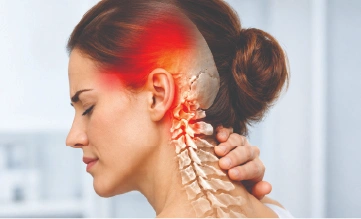
A cervicogenic headache is a common yet often misunderstood type of headache that originates from the neck. Unlike migraines or tension headaches, the root cause lies in the cervical spine, but the pain is felt in the
8 Jun 2026

Your brain communicates through a complex network of electrical signals that control your thoughts, movements and body functions. A seizure occurs when this normal electrical activity is suddenly disrupted, leading to temporary changes in behavior, movement, sensation or awareness.
21 May 2026

Your body movements are controlled by signals from the brain that travel through nerves to your muscles. These signals help maintain balance, posture and smooth motion. A tremor occurs when this control system is disrupted, leading to rhythmic, involuntary
21 May 2026

Your eyes and brain work together to help you see clearly. Light enters your eyes, gets processed and is converted into images that your brain understands. Vision problems occur when any part of this system is affected, leading to
21 May 2026
Every year, more people are diagnosed with kidney problems, often at a stage when significant damage has already occurred. The reason is simple. Kidney disease usually develops slowly and silently. In the early stages, many people feel completely
5 Mar 2026
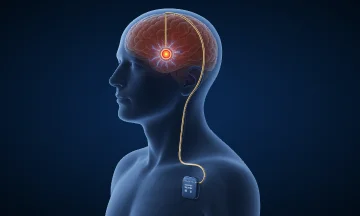
Deep brain stimulation (DBS) has long served as a transformative surgical intervention for patients with advanced Parkinson’s disease whose motor symptoms, such as tremors and rigidity, are no longer well-managed by medication alone. Often compared to a "pacemaker
3 Feb 2026

Parkinson’s disease is a long-term neurological condition that affects movement and, over time, many non-motor aspects of health. Early symptoms are often subtle and may go unnoticed. A change in handwriting, a stiff shoulder, reduced facial expression, softening
19 Jan 2026
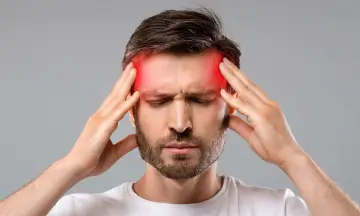
Headaches are one of the most common health complaints worldwide, but not all headaches are the same. Two of the most frequently experienced types are migraines and tension headaches. While they may feel similar at times, understanding the difference
5 Jan 2026

Memory is an essential part of who we are. It helps us remember people, moments, and experiences that shape our lives. Forgetting where you left your keys or what you had for dinner last night is normal. But when
5 Jan 2026
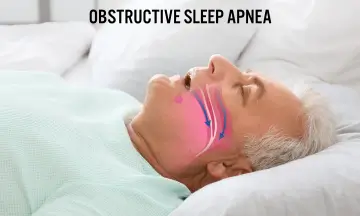
Obstructive sleep apnea is a condition where breathing repeatedly gets interrupted during sleep which leads to frequent arousals and reduced oxygenation during the night and excessive sleepiness during the day. This happens due to obstruction in the upper airway, which
17 Nov 2025
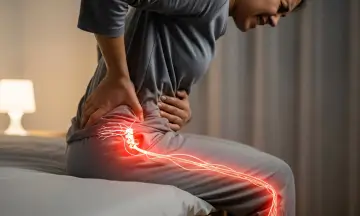
Sciatica is a common condition that affects the sciatic nerve, the longest nerve in the body, which runs from the lower back down to each leg. This condition can cause significant discomfort, limit mobility, and affect daily activities. Understanding
10 Nov 2025

Almost everyone experiences neck discomfort at some point, whether it's a mild stiffness after a long sleep or a sharp, persistent ache. Your neck (cervical spine) is a complex structure that supports the weight and movement of your head,
10 Nov 2025

Stroke is a leading cause of disability and death worldwide, and it affects women differently than men. Women not only experience strokes more frequently at older ages, but they are also more likely to have severe outcomes. Understanding the
21 Oct 2025
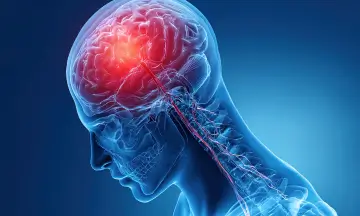
When we think of strokes, we usually imagine sudden paralysis, slurred speech, or severe headaches. But not all strokes are dramatic or immediately noticeable. Some occur quietly, without any obvious symptoms, yet they can cause long-term brain damage. These
21 Oct 2025
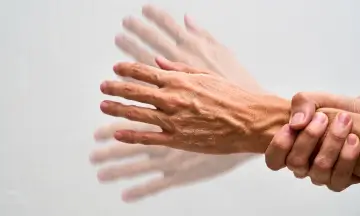
Have you ever noticed your hands shaking slightly while holding a cup or your head trembling when you’re anxious? If you’ve asked yourself, “Why is my body shaking for no reason?” — you might be experiencing tremors. Tremors are
14 Oct 2025
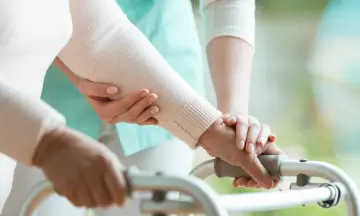
Parkinson’s disease (PD) is a progressive neurological disorder that primarily affects movement. It occurs due to a gradual loss of dopamine-producing cells in a region of the brain called the substantia nigra. Dopamine is a key chemical that helps regulate
19 Aug 2025
Stroke is a major public health concern in India accounting for approx. 150 new cases per 100000 per year while accounting for 150-600 cases per 100000 at any time. Stroke is the second leading cause of death globally and a
12 Aug 2025
What if a paralysed person was given a second chance at life to walk ‘again’, talk ‘again’, eat ‘again’ and move his hands ‘again’! That’s what a ‘Comprehensive Stroke Center’ does and Sakra is one now! One of the most significant
15 Jul 2025
Parkinson’s disease is a long-term neurological condition that gradually affects a person ability to move, speak, and carry out daily activities. It typically begins with subtle signs—like a slight tremor in one hand—but progresses over time, impacting various functions of the
11 Jul 2025

Parkinson's disease is a neurological ailment that becomes worse over time and affects movement, balance, and coordination. There is no proven cure, but many individuals use natural remedies along with medical therapies to deal with symptoms and make their lives
11 Jul 2025
Headaches are one of the most common health issues people experience, affecting individuals of all ages. While some are short-lived and mild, others can be persistent and disruptive. The nature of a headache—its intensity, frequency, cause, and location—often points to
10 Jul 2025
Migraines are more than just headaches—they can throw your entire day off track. If you have ever felt that pounding pain behind your eyes, the urge to sit in the dark, or nausea that ruins your appetite, you know
9 Jul 2025
Hydrocephalus is a neurological condition caused by an abnormal accumulation of cerebrospinal fluid (CSF) in the brain's ventricles. If unchecked, this build-up can put pressure on the brain, causing a variety of symptoms and maybe major problems. Although usually linked
12 Jun 2025
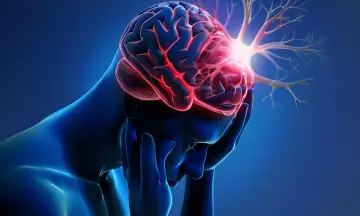
A blood clot in the brain is a life-threatening condition that needs immediate medical attention. This condition occurs when a clot blocks or restricts blood flow to the brain, depriving it of oxygen and essential nutrients. Without quick intervention, this
12 Jun 2025
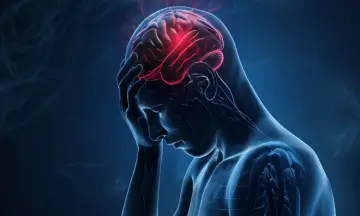
Every year, May Stroke Awareness Month, also known as National Stroke Awareness Month, which focuses on raising public knowledge about strokes—how to prevent them, recognize them, and respond quickly. Stroke is a serious medical emergency that can lead to long-term
13 May 2025

A stroke is a medical emergency that happens when the blood supply to part of the brain is interrupted or reduced. Without oxygen-rich blood, brain cells start to die within minutes, which can lead to long-term brain damage, disability, or
22 Oct 2024
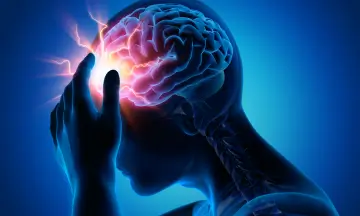
A brain stroke, often referred to as a "brain attack," occurs when blood flow to a part of the brain is interrupted, either due to a blocked artery (ischemic stroke) or the bursting of a blood vessel (hemorrhagic stroke). When
22 Oct 2024
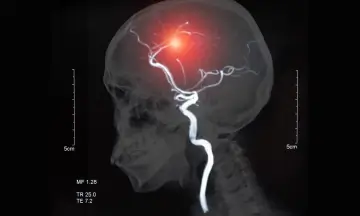
A hemorrhagic stroke Stroke caused by bleeding inside or around the brain. Improper use of blood thinners rather than excessive use of blood thinners. This type of stroke is less common than ischemic strokes but is often more severe
6 Oct 2024

A stroke can happen suddenly, often with devastating consequences, but the good news is that up to the majority of strokes are preventable. Strokes occur when the blood flow to the brain is interrupted, causing brain cells to die. It
6 Oct 2024
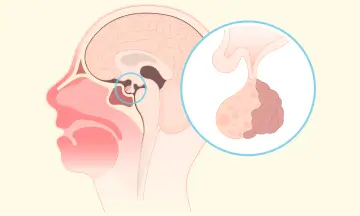
What are pituitary tumors, and how common are they? Pituitary tumors are growths that develop in the pituitary gland, a small organ which secretes essential hormones and is located behind the nose at the base of the brain. Studies show that
16 Sep 2024
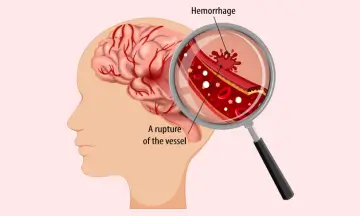
What is brain hemorrhage and how does it differ from stroke? Brain hemorrhage is a medical emergency which occurs when A blood vessel in the brain leaks or bursts, causing bleeding within the brain. The increased pressure because of the bleed
16 Sep 2024
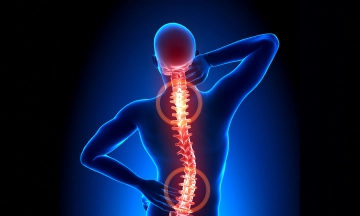
Scoliosis is a lateral curvature of the spine, contrasting with the natural forward and backward curves of your back. Although it is commonly mild and asymptomatic, it can result in back pain and irregular posture. This condition is frequently identified
5 Aug 2024
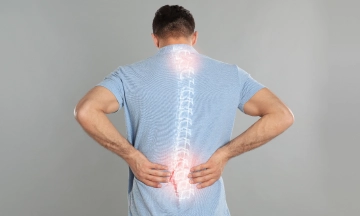
The human spine, comprising 33 vertebrae, intricate muscles, and resilient ligaments, serves as the central support for the body and facilitates a wide range of movements. Disorders affecting the spine, such as herniated discs or scoliosis, can lead to severe
5 Aug 2024
Brain tumors can be a daunting diagnosis, affecting not just physical health but also mental and emotional well-being. For many, the first step in treatment involves brain tumor surgery. What Are Brain Tumors? Brain tumors are abnormal growths of cells in the
16 Jul 2024
Functional neurosurgery is a specialized field that focuses on the treatment of neurological disorders through surgical interventions aimed at improving the quality of life for patients. Unlike traditional neurosurgery, which often targets structural issues such as tumors or trauma, functional
16 Jul 2024
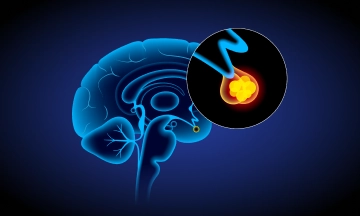
What are pituitary tumors, and how common are they? Pituitary tumors are growths that develop in the pituitary gland, a small organ which secretes essential hormones and is located behind the nose at the base of the brain. Studies show that
10 Apr 2024
Brain tumours are the most terrifying diagnosis one can get upon visiting the neurosurgeon for a headache, vomiting, loss of vision, weakness of the limbs, speech and memory problems or imbalance. As for most tumours, they may be benign
1 Apr 2024
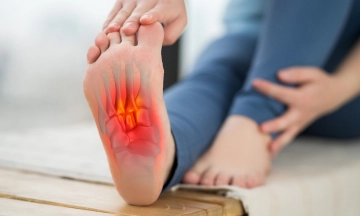
Plantar fasciitis is a common foot condition that affects millions of people worldwide. It is best described as inflammation and irritation of the plantar fascia, a thick band of tissue that connects the heel bone to the toes. This condition
7 Feb 2024
Plantar fasciitis is a common foot condition that affects millions of people worldwide. It is best described as inflammation and irritation of the plantar fascia, a thick band of tissue that connects the heel bone to the toes. This condition
7 Feb 2024

Pregnancy is a transformative journey. It can also bring about certain discomforts. Among these back pain is a complaint, among mothers. As your body goes through changes to accommodate your growing baby it's crucial to understand the causes, symptoms, and
7 Feb 2024
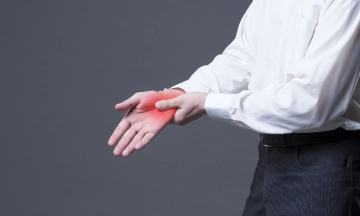
Carpal tunnel syndrome (CTS) is a condition that occurs when the median nerve, which runs through a narrow passage in the wrist called the carpal tunnel, becomes compressed. This nerve helps provide sensation to the thumb, index finger, middle finger,
7 Feb 2024
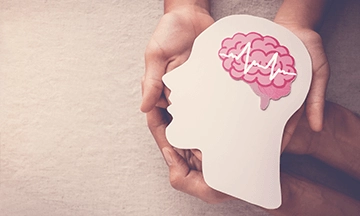
Epilepsy, a central nervous system (neurological) disorder caused by uncontrol or abnormal brain electrical activity that leads to seizures or periods of unusual behaviour, sensations and loss of awareness. Epilepsy affects 5.59 to 10 per 1,000 people in India. What
9 Jun 2021
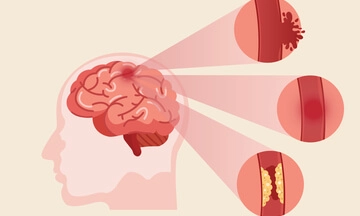
Stroke is the leading cause of disability and in many cases, they don’t have to be deadly. Early diagnosis and treatment of the stroke can limit the brain damage and improve the outcomes of treating it. When does a stroke
25 Jan 2021

Post-pandemic life has compelled us to be indoors and has left enough time to catch up with our hobbies. Likewise, several older adults who are nature lovers and are stuck within the four walls in the present times have started
22 Dec 2020
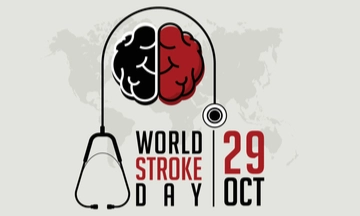
A stroke can happen to anyone, any time and anywhere. Stroke is the leading cause of disability worldwide and the second leading cause of death, but all strokes can be prevented. Research shows that “golden hour” patients showed remarkably more
29 Oct 2020
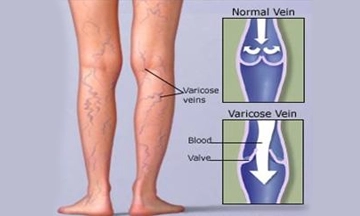
What is a varicose vein Varicose veins are twisted, enlarged veins. Any superficial vein may become varicose, but the veins most commonly affected are those in your legs. It happens because of defective valves in the vein that causes reflux and
13 Nov 2019
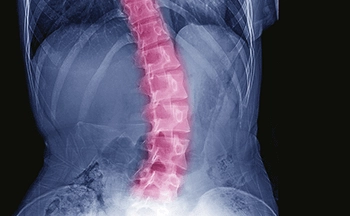
What if you had a spine deformity so severe that you couldn’t walk? Does it seem like a hopeless situation? It doesn’t have to be. Sakra World Hospital is a pioneer in spinal care and surgery and we pride ourselves
16 Oct 2018
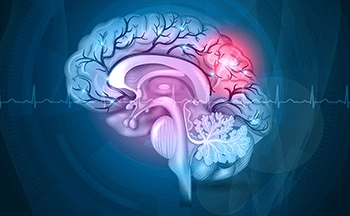
What is a Stroke? Stroke is also known as “Brain Attack”. It is similar to a heart attack in nature. It has the potential to affect people of all age groups. The stroke happens when the blood supply directed toward the
9 Nov 2017
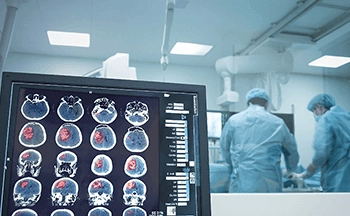
Bengaluru doctors claim it to be first-of-its-kind on a child Seven-year-old Nitin (name changed), who complained of a persistent headache and frequent bouts of fits, was diagnosed with a brain tumor around vital blood vessels in the speech area. He required
21 Jul 2017
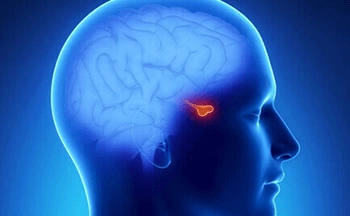
A pituitary adenoma is a slow-growing and typically benign tumor arising from cells in the pituitary gland. Because they originate from cells in the pituitary gland, they often cause problems related to hormonal dysfunction. A large proportion of
12 Jan 2015
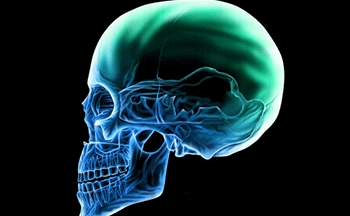
Craniosynostosis is derived from the terms cranio, syn and ostosis that relates to the bone. It is a birth defect in which one or more of the joints between the bones on an infant's skull close prematurely, before
28 Nov 2014
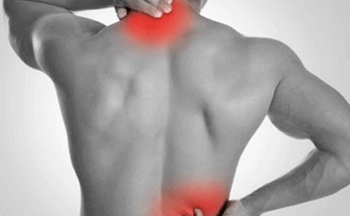
For a vast majority of us, Back and Neck Pain is a fact of life. The timescale of it may vary, but it does visit each of us at some point of time in our lives. Fortunately, majority
24 Sep 2014

Can we imagine a life without computers? Electronic s and computers have percolated into our life at an alarming pace and magnitude. This has occurred at a scale to make me wonder if typing skills in my children
18 Jul 2014
Enquire Now


