
Home/Wellness Zone/Sakra Blogs

8th Jun, 2026
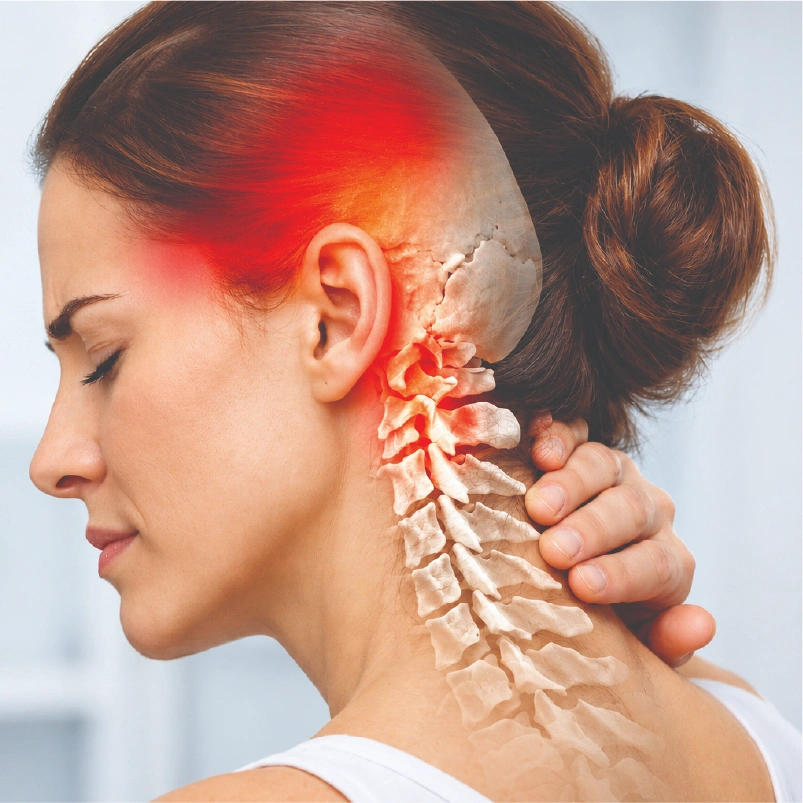
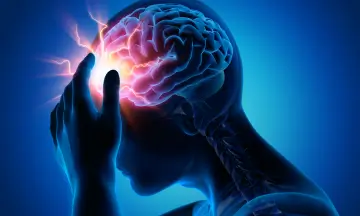
A cervicogenic headache is a common yet often misunderstood type of headache that originates from the neck. Unlike migraines or tension headaches, the root cause lies in the cervical spine, but the pain is felt in the head. Because of this overlap, many people struggle with incorrect diagnosis and prolonged discomfort.
Understanding the condition, its causes, and the right cervicogenic headache treatment can help you manage symptoms effectively and prevent recurrence.
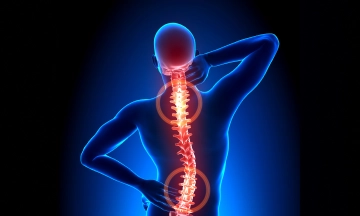
A cervicogenic headache occurs when there is a problem in the neck structures, such as the cervical vertebrae, discs, joints, or muscles. These structures share nerve pathways with the head, which is why pain is referred from the neck to the head.
Typically, the pain begins at the base of the skull and spreads to one side of the head. It may extend to the forehead, temples, or even behind the eyes. The pain is usually steady and non-throbbing, and it often worsens with certain neck movements, prolonged sitting, or poor posture over time.
There are several cervicogenic headache causes, most of which involve strain or damage to the neck:
Cervical Spondylosis
Age-related wear and tear can affect the discs and joints in the neck, leading to stiffness, reduced flexibility, and nerve irritation that can trigger recurring headaches.
Herniated or Bulging Discs
When a cervical disc bulges or slips out of place, it can press on nearby nerves, causing pain that radiates from the neck to the head and sometimes even into the shoulders.
Poor Posture
Spending long hours hunched over a phone or computer puts continuous stress on the neck muscles and joints, gradually leading to strain, stiffness, and frequent headaches.
Neck Injuries (Whiplash)
Sudden movements of the neck, often due to accidents, can damage soft tissues, ligaments, and joints, which may result in long-term or chronic headache symptoms.
Muscle Tightness and Strain
Overuse, stress, or improper sleeping positions can cause tight neck and shoulder muscles, restricting movement and contributing to persistent pain.
Joint Dysfunction
Problems in the upper cervical joints can restrict normal movement, irritate surrounding nerves, and lead to pain that is referred to the head.
Recognizing cervicogenic headache symptoms helps in early diagnosis and treatment:
Pain that starts in the neck and moves to the head
This is the most characteristic feature and usually begins at the base of the skull before spreading forward.
One-sided headache
The pain is usually limited to one side and tends to remain on the same side rather than shifting.
Neck stiffness and reduced mobility
You may find it difficult to turn your head fully or feel tightness when trying to move your neck.
Pain triggered by movement or posture
Sitting for long hours, looking down at devices, or sudden neck movements can worsen the pain.
Pain around the eyes, temples, or forehead
The pain often radiates forward, which can make it feel similar to a migraine.
Shoulder or arm discomfort
Some people also experience pain extending into the shoulders or upper arms due to nerve involvement.
Mild sensitivity to light or sound
This can occur occasionally but is usually less intense compared to migraines.
These cervical headache symptoms clearly indicate that the origin of the pain is the neck rather than the brain.
Although symptoms may overlap, there are key differences:
Cervicogenic headaches are triggered by neck movement or posture, while migraines have internal or neurological triggers
The pain is steady and dull, unlike the throbbing or pulsating pain of migraines
Nausea and vomiting are rare, whereas they are common in migraines
Neck stiffness and limited movement are prominent signs in cervicogenic headaches
Identifying these differences helps in choosing the right cervicogenic headache treatment.
Effective cervicogenic headache treatment focuses on addressing the root cause rather than just relieving pain.
1. Physical Therapy
Physical therapy plays a central role in recovery. It includes:
Strengthening exercises for neck and shoulder muscles to improve support
Stretching exercises to reduce tightness and improve flexibility
Posture correction techniques to prevent repeated strain
Regular therapy improves mobility, reduces pain, and lowers the chances of recurrence.
2. Medications
Medications are often used to control symptoms, especially during acute episodes:
Non-steroidal anti-inflammatory drugs (NSAIDs) to reduce pain and inflammation
Muscle relaxants to ease tight and stiff muscles
Short-term pain relief medications for quick comfort
These provide temporary relief but should be combined with corrective treatments.
3. Lifestyle Modifications
Simple changes in daily habits can significantly reduce symptoms:
Maintaining proper posture while sitting, standing, and working
Using ergonomic chairs, desks, and screen positioning
Taking frequent breaks from screen time to relax neck muscles
Sleeping with proper neck support to maintain alignment
These adjustments help prevent repeated stress on the cervical spine.
4. Manual Therapy
Manual techniques such as physiotherapy mobilization or chiropractic care help:
Improve joint movement and flexibility
Reduce stiffness and muscle tension
Relieve pressure on irritated nerves
This is especially useful when joint restriction is a major cause.
5. Injections
For persistent or severe cases:
Nerve blocks can interrupt pain signals and provide relief
Steroid injections help reduce inflammation around affected nerves
These are usually recommended when other treatments are not effective.
6. Surgery (Rare Cases)
Surgery is rarely needed and is only recommended when there is a clear structural issue like severe disc damage or nerve compression that does not improve with other treatments.
You should consult a doctor if:
Headaches are frequent, severe, or getting worse over time
Pain follows a neck injury or accident
There is a significant restriction in neck movement
Pain does not improve with rest or basic medications
Symptoms are affecting your daily routine and productivity
Early evaluation can prevent long-term complications.
Preventing a cervicogenic headache is often achievable with consistent care:
Practice good posture while sitting, standing, and working
Avoid prolonged use of mobile phones and laptops
Do regular neck stretching and strengthening exercises
Use a supportive pillow that keeps the neck aligned
Stay physically active to maintain muscle strength and flexibility
A cervicogenic headache may seem like a regular headache, but its origin lies in the neck. Ignoring it can lead to persistent discomfort and reduced quality of life. The key to effective management is early recognition and targeted cervicogenic headache treatment that focuses on correcting the underlying issue. With proper care and lifestyle changes, most people experience significant relief and improved daily functioning.
1. What triggers a cervicogenic headache?
Common triggers include poor posture, prolonged screen use, neck strain, cervical spine issues, and past neck injuries. Even daily habits like looking down at your phone or sleeping without proper support can gradually trigger pain.
2. How long does a cervicogenic headache last?
The duration varies from person to person. It may last for a few hours in mild cases, but in chronic conditions, the pain can persist for days or recur frequently if the underlying cause is not treated.
3. Is a cervicogenic headache dangerous?
It is not life-threatening, but it can become chronic and significantly affect daily life if ignored. Timely diagnosis and treatment can prevent long-term discomfort and complications.
4. Can exercise help with cervicogenic headaches?
Yes, targeted neck and shoulder exercises are highly effective. They improve muscle strength, flexibility, and posture, which reduces strain on the cervical spine and helps prevent future headaches.
5. Can a cervicogenic headache go away on its own?
Mild cases may improve with rest and posture correction. However, if the root cause is not addressed, the headache is likely to return, so proper treatment is important for lasting relief.

An ischemic stroke occurs when a blood clot or another blockage prevents blood from reaching part of the brain. Without an adequate supply of oxygen and nutrients, brain cells begin to become damaged within minutes. It is the most
16 Oct 2026

Tingling is a very common symptom, often described as ‘pins and needles,’ prickling, crawling, buzzing or burning over the skin. It most commonly affects the hands, feet, arms or legs, although it can occur anywhere in the body. Most of us
10 Aug 2026

Neck pain is extremely common and, in most people, is caused by muscle strain, prolonged posture, minor injuries or age-related changes in the cervical spine. It may begin suddenly or develop gradually and can sometimes extend into the shoulders,
10 Aug 2026

Numbness is a common neurological symptom and may be described as reduced or altered sensation, a "dead" feeling, or loss of sensation in part of the body. It often occurs along with tingling, pins-and-needles, burning, or other unusual sensations. Many episodes
10 Aug 2026
A cervicogenic headache is a common yet often misunderstood type of headache that originates from the neck. Unlike migraines or tension headaches, the root cause lies in the cervical spine, but the pain is felt in the
8 Jun 2026

Your brain communicates through a complex network of electrical signals that control your thoughts, movements and body functions. A seizure occurs when this normal electrical activity is suddenly disrupted, leading to temporary changes in behavior, movement, sensation or awareness.
21 May 2026

Your body movements are controlled by signals from the brain that travel through nerves to your muscles. These signals help maintain balance, posture and smooth motion. A tremor occurs when this control system is disrupted, leading to rhythmic, involuntary
21 May 2026

Your eyes and brain work together to help you see clearly. Light enters your eyes, gets processed and is converted into images that your brain understands. Vision problems occur when any part of this system is affected, leading to
21 May 2026
Every year, more people are diagnosed with kidney problems, often at a stage when significant damage has already occurred. The reason is simple. Kidney disease usually develops slowly and silently. In the early stages, many people feel completely
5 Mar 2026

Parkinson’s disease is a long-term neurological condition that affects movement and, over time, many non-motor aspects of health. Early symptoms are often subtle and may go unnoticed. A change in handwriting, a stiff shoulder, reduced facial expression, softening
19 Jan 2026
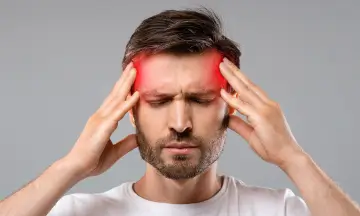
Headaches are one of the most common health complaints worldwide, but not all headaches are the same. Two of the most frequently experienced types are migraines and tension headaches. While they may feel similar at times, understanding the difference
5 Jan 2026

Memory is an essential part of who we are. It helps us remember people, moments, and experiences that shape our lives. Forgetting where you left your keys or what you had for dinner last night is normal. But when
5 Jan 2026
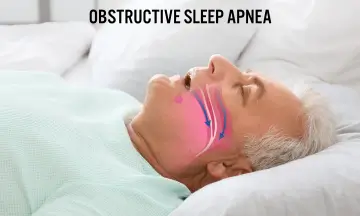
Obstructive sleep apnea is a condition where breathing repeatedly gets interrupted during sleep which leads to frequent arousals and reduced oxygenation during the night and excessive sleepiness during the day. This happens due to obstruction in the upper airway, which
17 Nov 2025

Stroke is a leading cause of disability and death worldwide, and it affects women differently than men. Women not only experience strokes more frequently at older ages, but they are also more likely to have severe outcomes. Understanding the
21 Oct 2025
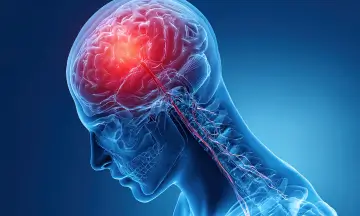
When we think of strokes, we usually imagine sudden paralysis, slurred speech, or severe headaches. But not all strokes are dramatic or immediately noticeable. Some occur quietly, without any obvious symptoms, yet they can cause long-term brain damage. These
21 Oct 2025

Have you ever noticed your hands shaking slightly while holding a cup or your head trembling when you’re anxious? If you’ve asked yourself, “Why is my body shaking for no reason?” — you might be experiencing tremors. Tremors are
14 Oct 2025

Parkinson’s disease (PD) is a progressive neurological disorder that primarily affects movement. It occurs due to a gradual loss of dopamine-producing cells in a region of the brain called the substantia nigra. Dopamine is a key chemical that helps regulate
19 Aug 2025
Stroke is a major public health concern in India accounting for approx. 150 new cases per 100000 per year while accounting for 150-600 cases per 100000 at any time. Stroke is the second leading cause of death globally and a
12 Aug 2025
What if a paralysed person was given a second chance at life to walk ‘again’, talk ‘again’, eat ‘again’ and move his hands ‘again’! That’s what a ‘Comprehensive Stroke Center’ does and Sakra is one now! One of the most significant
15 Jul 2025

Parkinson’s disease is a long-term neurological condition that gradually affects a person ability to move, speak, and carry out daily activities. It typically begins with subtle signs—like a slight tremor in one hand—but progresses over time, impacting various functions of the
11 Jul 2025

Parkinson's disease is a neurological ailment that becomes worse over time and affects movement, balance, and coordination. There is no proven cure, but many individuals use natural remedies along with medical therapies to deal with symptoms and make their lives
11 Jul 2025

Headaches are one of the most common health issues people experience, affecting individuals of all ages. While some are short-lived and mild, others can be persistent and disruptive. The nature of a headache—its intensity, frequency, cause, and location—often points to
10 Jul 2025
Migraines are more than just headaches—they can throw your entire day off track. If you have ever felt that pounding pain behind your eyes, the urge to sit in the dark, or nausea that ruins your appetite, you know
9 Jul 2025
Every year, May Stroke Awareness Month, also known as National Stroke Awareness Month, which focuses on raising public knowledge about strokes—how to prevent them, recognize them, and respond quickly. Stroke is a serious medical emergency that can lead to long-term
13 May 2025
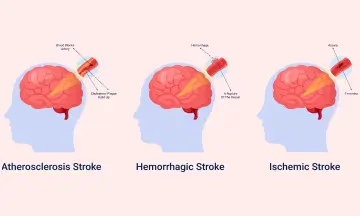
A stroke is a medical emergency that happens when the blood supply to part of the brain is interrupted or reduced. Without oxygen-rich blood, brain cells start to die within minutes, which can lead to long-term brain damage, disability, or
22 Oct 2024
A brain stroke, often referred to as a "brain attack," occurs when blood flow to a part of the brain is interrupted, either due to a blocked artery (ischemic stroke) or the bursting of a blood vessel (hemorrhagic stroke). When
22 Oct 2024
A hemorrhagic stroke Stroke caused by bleeding inside or around the brain. Improper use of blood thinners rather than excessive use of blood thinners. This type of stroke is less common than ischemic strokes but is often more severe
6 Oct 2024

A stroke can happen suddenly, often with devastating consequences, but the good news is that up to the majority of strokes are preventable. Strokes occur when the blood flow to the brain is interrupted, causing brain cells to die. It
6 Oct 2024
Scoliosis is a lateral curvature of the spine, contrasting with the natural forward and backward curves of your back. Although it is commonly mild and asymptomatic, it can result in back pain and irregular posture. This condition is frequently identified
5 Aug 2024
The human spine, comprising 33 vertebrae, intricate muscles, and resilient ligaments, serves as the central support for the body and facilitates a wide range of movements. Disorders affecting the spine, such as herniated discs or scoliosis, can lead to severe
5 Aug 2024
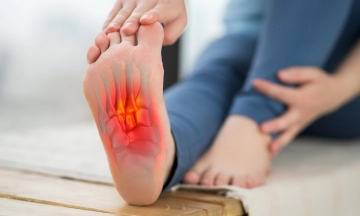
Plantar fasciitis is a common foot condition that affects millions of people worldwide. It is best described as inflammation and irritation of the plantar fascia, a thick band of tissue that connects the heel bone to the toes. This condition
7 Feb 2024

Pregnancy is a transformative journey. It can also bring about certain discomforts. Among these back pain is a complaint, among mothers. As your body goes through changes to accommodate your growing baby it's crucial to understand the causes, symptoms, and
7 Feb 2024
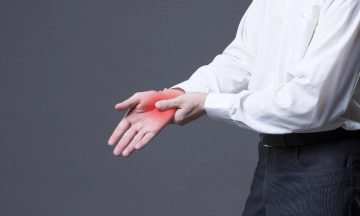
Carpal tunnel syndrome (CTS) is a condition that occurs when the median nerve, which runs through a narrow passage in the wrist called the carpal tunnel, becomes compressed. This nerve helps provide sensation to the thumb, index finger, middle finger,
7 Feb 2024
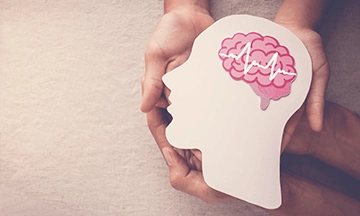
Epilepsy, a central nervous system (neurological) disorder caused by uncontrol or abnormal brain electrical activity that leads to seizures or periods of unusual behaviour, sensations and loss of awareness. Epilepsy affects 5.59 to 10 per 1,000 people in India. What
9 Jun 2021

Post-pandemic life has compelled us to be indoors and has left enough time to catch up with our hobbies. Likewise, several older adults who are nature lovers and are stuck within the four walls in the present times have started
22 Dec 2020
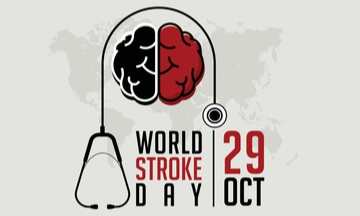
A stroke can happen to anyone, any time and anywhere. Stroke is the leading cause of disability worldwide and the second leading cause of death, but all strokes can be prevented. Research shows that “golden hour” patients showed remarkably more
29 Oct 2020
What is a Stroke? Stroke is also known as “Brain Attack”. It is similar to a heart attack in nature. It has the potential to affect people of all age groups. The stroke happens when the blood supply directed toward the
9 Nov 2017
A pituitary adenoma is a slow-growing and typically benign tumor arising from cells in the pituitary gland. Because they originate from cells in the pituitary gland, they often cause problems related to hormonal dysfunction. A large proportion of
12 Jan 2015
Craniosynostosis is derived from the terms cranio, syn and ostosis that relates to the bone. It is a birth defect in which one or more of the joints between the bones on an infant's skull close prematurely, before
28 Nov 2014
Enquire Now