
Home/Wellness Zone/Sakra Blogs

5th Jan, 2026

Headaches are one of the most common health complaints worldwide, but not all headaches are the same. Two of the most frequently experienced types are migraines and tension headaches. While they may feel similar at times, understanding the difference between them is important for proper treatment and relief.
A migraine is a neurological condition that causes intense, throbbing headaches, often on one side of the head. Migraines can last from a few hours to several days and may be accompanied by other symptoms such as nausea, vomiting, and sensitivity to light or sound.
Migraines are often triggered by factors like stress, hormonal changes, certain foods, dehydration, or lack of sleep. Some people also experience visual disturbances, called auras, before the headache begins.
A tension headache is the most common type of headache. It usually feels like a constant pressure or tightness around the forehead, temples, or back of the head. Unlike migraines, tension headaches are typically milder and not associated with nausea or visual symptoms.
Common causes of tension headaches include stress, poor posture, fatigue, eye strain, and tension in the neck and shoulders. They are sometimes described as a feeling of a tight band squeezing the head.
Here’s how to distinguish a tension headache vs migraine:
|
Feature |
Migraine |
Tension Headache |
|
Pain Type |
Throbbing or pulsating |
Steady, dull, pressure-like |
|
Pain Location |
Usually, one side may spread |
Both sides, often around the forehead or the back of the head |
|
Associated Symptoms |
Nausea, vomiting, light/sound sensitivity, aura |
Rarely associated with nausea; no aura |
|
Duration |
4–72 hours |
30 minutes to several hours, sometimes longer |
|
Triggers |
Stress, certain foods, hormonal changes, and sensory stimuli |
Stress, fatigue, poor posture, tension in neck/shoulders |
|
Pain in the Back of the Head and Ear |
It can occur, but it is less common |
Common due to muscle tension in the neck and shoulders |
By paying attention to these signs, you can usually tell whether your headache is a migraine or a tension headache.
Treatment approaches differ depending on the type of headache.
For Migraines:
Medications: Over-the-counter pain relievers (like ibuprofen or acetaminophen), prescription migraine-specific drugs such as triptans.
Lifestyle Changes: Avoiding triggers, managing stress, regular sleep, and hydration.
Preventive Therapy: For frequent migraines, doctors may recommend preventive medications or supplements.
For Tension Headaches:
Over-the-counter painkillers: Such as acetaminophen or ibuprofen.
Stress Management: Relaxation techniques, yoga, and meditation can help.
Posture Correction: Ergonomic adjustments for sitting and sleeping, stretching neck and shoulder muscles.
Avoiding Triggers: Limiting caffeine, ensuring adequate sleep, and reducing eye strain.
Knowing whether you have a migraine or a tension headache ensures you use the right treatment and avoid unnecessary medication.
While most migraines and tension headaches are manageable at home, you should seek medical attention if you experience:
Headaches that are sudden, severe, or different from your usual headaches
Headaches accompanied by vision changes, weakness, numbness, or speech difficulties
Headaches that interfere significantly with daily life despite treatment
Understanding the difference between a migraine tension headache and a tension headache is essential for effective management. While migraines are usually more intense, may include nausea, and are often one-sided, tension headaches are generally milder, with pressure around the head and pain in the back of the head and ear due to muscle tension.
Proper diagnosis helps in choosing the right tension headache vs migraine treatment, whether it’s lifestyle changes, medications, or preventive measures. Paying attention to your symptoms and triggers can make a significant difference in managing headaches and improving your quality of life.
1. Can a headache be both a migraine and a tension headache?
Yes, some people experience mixed headaches with features of both, though treatment should focus on the dominant symptoms.
2. What causes pain in the back of the head and ear during a tension headache?
This pain usually comes from muscle tension in the neck and shoulders that radiates to the head and ears.
3. How long does a migraine usually last?
Migraines can last anywhere from 4 to 72 hours if untreated.
4. Are migraines more serious than tension headaches?
Migraines can be more disruptive due to severe pain and additional symptoms like nausea or visual disturbances, but tension headaches are generally less severe.
5. Can lifestyle changes prevent migraines or tension headaches?
Yes, managing stress, maintaining good posture, sleeping well, and avoiding triggers can reduce the frequency and severity of both types of headaches.

Tingling is a very common
10 Aug 2026

Neck pain is extremely common
10 Aug 2026

Numbness is a common neurological
10 Aug 2026
A cervicogenic headache is
8 Jun 2026

Your brain communicates through
21 May 2026

Your body movements are
21 May 2026

Your eyes and brain
21 May 2026
Every year, more people
5 Mar 2026

Parkinson’s disease is
19 Jan 2026

Headaches are one of
5 Jan 2026

Memory is an essential
5 Jan 2026

Obstructive sleep apnea is a
17 Nov 2025

Stroke is a leading
21 Oct 2025
When we think of
21 Oct 2025

Have you ever noticed
14 Oct 2025

Parkinson’s disease (PD) is a
19 Aug 2025
Stroke is a major public
12 Aug 2025

What if a paralysed person
15 Jul 2025
Parkinson’s disease is a long-term
11 Jul 2025

Parkinson's disease is a neurological
11 Jul 2025

Headaches are one of the
10 Jul 2025
Migraines are more than just
9 Jul 2025
Every year, May Stroke Awareness
13 May 2025

A stroke is a medical
22 Oct 2024
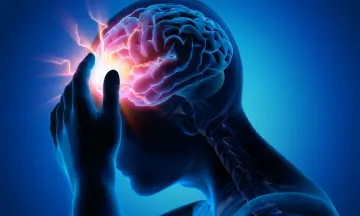
A brain stroke, often referred
22 Oct 2024
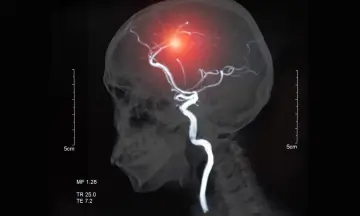
A hemorrhagic stroke Stroke caused
6 Oct 2024

A stroke can happen suddenly,
6 Oct 2024
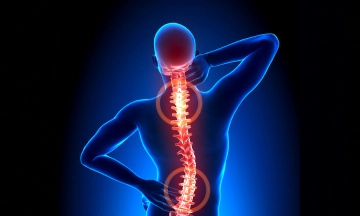
Scoliosis is a lateral curvature
5 Aug 2024
The human spine, comprising 33
5 Aug 2024
Plantar fasciitis is a common
7 Feb 2024

Pregnancy is a transformative journey.
7 Feb 2024
Carpal tunnel syndrome (CTS) is
7 Feb 2024
Epilepsy, a central nervous system
9 Jun 2021

Post-pandemic life has compelled us
22 Dec 2020
A stroke can happen to
29 Oct 2020
What is a Stroke? Stroke is
9 Nov 2017
A pituitary adenoma
12 Jan 2015
Craniosynostosis is derived
28 Nov 2014
Enquire Now