

Home/Wellness Zone/Sakra Blogs

5th Jan, 2026

Memory is an essential part of who we are. It helps us remember people, moments, and experiences that shape our lives. Forgetting where you left your keys or what you had for dinner last night is normal. But when forgetfulness becomes frequent and starts to affect your daily routine, it could be a sign of an underlying condition.
Memory loss can happen for many reasons, from stress and lack of sleep to neurological disorders. Understanding the reasons for memory loss, identifying early memory loss symptoms, and seeking timely treatment can make a big difference in managing or even reversing it.
Memory loss means unusual or frequent forgetfulness. You may find it hard to recall recent events, familiar faces, or everyday details. Mild forgetfulness is a normal part of aging, but when memory lapses begin to disrupt your daily life, it’s time to pay attention.
Some types of memory loss diseases, such as Alzheimer’s or dementia, progress slowly and get worse over time. Others may be temporary and caused by stress, nutritional deficiencies, or side effects from certain medicines.
Recognizing early memory loss symptoms can help in getting the right support and treatment. Symptoms vary depending on the cause, but some common signs include:
Frequent forgetfulness: Misplacing items like keys, phones, or wallets and forgetting names or appointments.
Repetition: Asking the same question repeatedly or retelling the same story without realizing it.
Difficulty with familiar tasks: Struggling with everyday chores, following recipes, or using devices you normally handle easily.
Confusion about time or place: Losing track of dates, days, or familiar surroundings.
Trouble concentrating: Finding it hard to focus on tasks, conversations, or reading.
Poor judgment: Making uncharacteristic decisions or financial mistakes.
Mood and personality changes: Becoming more irritable, anxious, withdrawn, or depressed.
If these symptoms continue or worsen, it’s best to talk to a doctor or neurologist.
There are many memory loss causes, ranging from everyday lifestyle factors to serious medical conditions. Understanding what causes memory loss can help you take preventive steps early.
1. Aging
It’s natural to become a little forgetful with age. The brain processes information more slowly, which can make it harder to recall names or events. However, major memory problems are not a normal part of aging and could signal dementia or Alzheimer’s disease.
2. Stress, Anxiety, and Depression
Mental health affects memory in a big way. When you’re anxious or depressed, your mind is often overloaded with thoughts, making it difficult to concentrate or remember things. Long-term stress raises cortisol levels, which can damage the brain’s memory centers.
3. Sleep Problems
Sleep helps your brain store new information. Poor sleep or conditions like insomnia and sleep apnea can interrupt this process, making you forgetful and unfocused during the day.
4. Vitamin Deficiencies
A deficiency in essential vitamins, especially vitamin B12, can cause confusion, low concentration, and memory issues. Since B vitamins are vital for brain health, correcting the deficiency often improves symptoms.
5. Head Injuries
A concussion or head injury can damage brain cells responsible for storing and retrieving memories. Even minor injuries may cause temporary amnesia, while severe trauma can lead to long-term impairment.
6. Medications
Some medicines can interfere with memory and focus. These include sedatives, antidepressants, painkillers, and antihistamines. If your memory problems began after starting a new drug, your doctor can review and adjust your prescription.
7. Alcohol and Drug Use
Excessive alcohol or drug use harms brain cells and disrupts communication between them. Chronic alcohol use can lead to Wernicke-Korsakoff syndrome, a severe form of memory loss and confusion.
8. Neurological Disorders
Brain diseases like Alzheimer’s, Parkinson’s, dementia, or multiple sclerosis are among the most serious reasons for memory loss. They cause progressive damage to nerve cells, affecting memory, judgment, and reasoning.
9. Infections or Stroke
Brain infections such as meningitis or encephalitis cause inflammation that can affect memory. Similarly, a stroke that cuts off blood flow to part of the brain can lead to sudden and sometimes permanent memory loss.
A detailed evaluation helps identify the exact memory loss disease and its cause. Doctors may recommend:
Medical history and physical exam: To assess symptoms, lifestyle, and medications.
Cognitive tests: To check memory, reasoning, and problem-solving skills.
Blood tests: To identify vitamin deficiencies, thyroid issues, or infections.
Brain imaging (CT or MRI): To detect tumors, injuries, or structural brain changes.
Neurological evaluation: To rule out dementia, Alzheimer’s, or other brain disorders.
Treatment depends on the underlying cause. Some forms of memory loss are reversible, while others may need ongoing management.
1. Lifestyle Changes
Regular exercise, a balanced diet, and good sleep help boost brain function. Exercise, in particular, increases blood flow to the brain and supports the growth of new neural pathways.
2. Managing Stress and Mental Health
Therapies such as counseling, meditation, or yoga can help manage depression and anxiety, which in turn improves focus and memory.
3. Adjusting Medications
If your medication is causing forgetfulness, your doctor may reduce the dose or prescribe an alternative.
4. Nutritional Support
Adding brain-healthy foods like fish, nuts, berries, and leafy greens — or taking supplements like omega-3s and vitamin B12 can improve cognitive health.
5. Treating Underlying Conditions
Memory loss linked to thyroid problems, diabetes, or infections often improves once those conditions are treated properly.
6. Cognitive and Memory Training
Activities such as puzzles, reading, or learning new skills keep your mind active and sharp. Social interaction also plays a big role in keeping the brain healthy.
For long-term memory loss diseases like Alzheimer’s, treatment focuses on slowing down progression, improving daily function, and maintaining quality of life through medication and therapy.
While not every case of memory loss can be prevented, healthy habits can lower your risk:
Keep your brain active through learning and mental challenges.
Eat a nutritious diet rich in whole grains, fruits, vegetables, and healthy fats.
Sleep well — aim for 7–8 hours each night.
Stay physically active with regular exercise.
Avoid smoking and limit alcohol intake.
Stay connected with family and friends to keep your mind engaged.
Memory loss can happen to anyone, but it’s not something to ignore. Finding out what causes memory loss, getting the right diagnosis, and starting early treatment can make a major difference. Whether it’s due to stress, aging, or a memory loss disease, timely medical attention can help manage — and sometimes even reverse — the symptoms.
If you or someone you know is showing signs of memory problems, talk to a doctor or neurologist. Early care can help protect your brain health and overall well-being.
1. What causes memory loss suddenly?
Sudden memory loss may be due to stress, stroke, head injury, medication, or infection. It’s best to seek medical help immediately if it occurs without warning.
2. Is memory loss always linked to dementia?
Not always. Stress, vitamin deficiency, poor sleep, or depression can also lead to forgetfulness. Persistent and worsening symptoms, however, need medical evaluation.
3. Can memory loss be reversed?
Yes, if it’s caused by reversible factors such as vitamin deficiencies, medication side effects, or mental health issues. Chronic memory loss diseases like Alzheimer’s can’t be cured but can be managed.
4. What are some natural ways to improve memory?
Stay mentally and physically active, eat a balanced diet, sleep well, and manage stress — all of these can strengthen your memory naturally.
5. When should I see a doctor for memory loss?
If you’re frequently forgetting familiar names, getting lost in known places, or struggling with everyday tasks, consult a doctor for evaluation and advice.

Tingling is a very common
10 Aug 2026

Neck pain is extremely common
10 Aug 2026

Numbness is a common neurological
10 Aug 2026
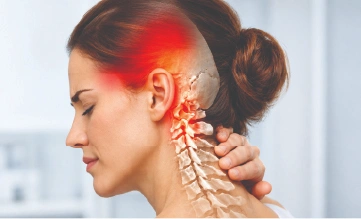
A cervicogenic headache is
8 Jun 2026

Your brain communicates through
21 May 2026

Your body movements are
21 May 2026

Your eyes and brain
21 May 2026

Every year, more people
5 Mar 2026

Parkinson’s disease is
19 Jan 2026

Headaches are one of
5 Jan 2026

Memory is an essential
5 Jan 2026

Obstructive sleep apnea is a
17 Nov 2025

Stroke is a leading
21 Oct 2025
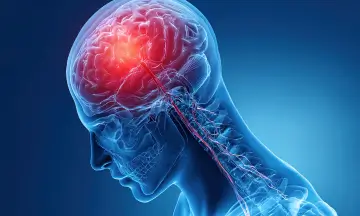
When we think of
21 Oct 2025

Have you ever noticed
14 Oct 2025

Parkinson’s disease (PD) is a
19 Aug 2025
Stroke is a major public
12 Aug 2025

What if a paralysed person
15 Jul 2025
Parkinson’s disease is a long-term
11 Jul 2025

Parkinson's disease is a neurological
11 Jul 2025

Headaches are one of the
10 Jul 2025

Migraines are more than just
9 Jul 2025
Every year, May Stroke Awareness
13 May 2025

A stroke is a medical
22 Oct 2024
A brain stroke, often referred
22 Oct 2024
A hemorrhagic stroke Stroke caused
6 Oct 2024

A stroke can happen suddenly,
6 Oct 2024
Scoliosis is a lateral curvature
5 Aug 2024

The human spine, comprising 33
5 Aug 2024

Plantar fasciitis is a common
7 Feb 2024

Pregnancy is a transformative journey.
7 Feb 2024

Carpal tunnel syndrome (CTS) is
7 Feb 2024

Epilepsy, a central nervous system
9 Jun 2021

Post-pandemic life has compelled us
22 Dec 2020
A stroke can happen to
29 Oct 2020
What is a Stroke? Stroke is
9 Nov 2017
A pituitary adenoma
12 Jan 2015
Craniosynostosis is derived
28 Nov 2014
Enquire Now