
Home/Wellness Zone/Sakra Blogs

21st May, 2026

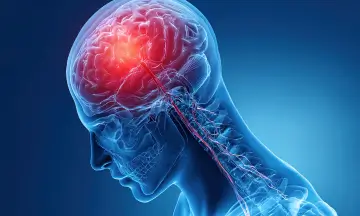
Your brain communicates through a complex network of electrical signals that control your thoughts, movements and body functions.
A seizure occurs when this normal electrical activity is suddenly disrupted, leading to temporary changes in behavior, movement, sensation or awareness.
A seizure (pronounced “see-zhr”) is a sudden burst of abnormal electrical activity in your brain. This disturbance can affect how you feel, move or respond for a short period of time.
The most noticeable seizure symptoms include loss of consciousness and uncontrolled movements (convulsions), but seizures don’t always look dramatic.
Some seizures are subtle. You may stop what you’re doing and stare blankly, feel a brief muscle jerk or experience unusual sensations. For some people, a seizure may happen only once, while others may experience repeated episodes.
Because there are different types of seizures, each person’s experience can vary widely.
There are also many possible seizure causes, including medical conditions, injuries and metabolic changes. Understanding seizure causes and symptoms together helps in early diagnosis and proper treatment.
Seizures are mainly classified based on where the abnormal electrical activity begins in the brain.
Generalized seizures (generalized onset seizures)
These seizures start on both sides of the brain at the same time and often affect awareness.
You may experience full-body shaking, sudden stiffness or brief episodes of staring. These seizures can occur at any age but are more common in children and young adults.
These seizures begin in one specific area of the brain.
Symptoms usually affect one side of the body and may or may not affect awareness. In some cases, focal seizures can spread and become generalized.
The main types of seizures under this category include:
Absence seizures:
Brief staring spells where you suddenly stop activity and appear unresponsive.
Atonic seizures (drop seizures):
Sudden loss of muscle tone, causing falls or head drops.
Clonic seizures:
Repetitive, rhythmic jerking movements affecting one or both sides of the body.
Myoclonic seizures:
Sudden, quick muscle jerks that may occur in clusters.
Tonic seizures:
Sudden muscle stiffness, often leading to falls.
Tonic-clonic seizures:
A combination of stiffening followed by jerking movements, usually with loss of consciousness.
Secondary generalized seizures:
Begin as focal seizures and spread to both sides of the brain.
Focal seizures are divided based on awareness:
Focal onset aware seizures (simple partial seizures):
You remain conscious and aware. You may feel unusual sensations, twitching or emotional changes.
Focal onset impaired awareness seizures (complex partial seizures):
Awareness is reduced. You may appear awake but feel confused and not remember the event afterward.
Seizures are relatively common. Around 1 in 10 people may experience at least one seizure during their lifetime, although not all develop a long-term condition.
The signs and symptoms of seizures can vary depending on the type and severity.
Common seizure symptoms include:
Loss of consciousness or awareness
Uncontrolled jerking movements or convulsions
Muscle stiffness
Sudden staring spells
Other symptoms may include:
Sudden emotional changes such as fear, anxiety or confusion
Abnormal sensations like tingling, dizziness or visual disturbances
Teeth clenching
Drooling or frothing
Abnormal eye movements
Loss of bladder or bowel control
Making involuntary sounds such as grunting
These symptoms usually last from a few seconds to a few minutes, though recovery may take longer.
Some seizures occur in phases, which may help in early recognition:
Prodrome phase:
Occurs hours or days before a seizure. You may notice mood changes, sleep problems or difficulty concentrating.
Aura phase:
A warning phase just before the seizure, with symptoms like dizziness, visual changes or a sudden sense of fear.
Ictal phase:
The active seizure phase where abnormal brain activity causes visible symptoms.
Postictal phase:
The recovery phase, where you may feel tired, confused, weak or have memory gaps.
There are many seizure causes, and sometimes no clear cause is found.
Common causes include:
Head injury or trauma
Brain infections such as meningitis or encephalitis
Stroke
Genetic or neurological disorders
High fever (especially in children)
Low blood sugar or electrolyte imbalance
Alcohol or drug withdrawal
Understanding seizure causes and symptoms helps in accurate diagnosis and better treatment planning.
To diagnose seizures, your doctor will begin with a detailed medical history and description of the episode.
Common tests include:
Electroencephalogram (EEG):
Measures electrical activity in the brain and helps identify abnormal patterns.
MRI or CT scan:
Detects structural problems like tumors, injuries or brain abnormalities.
Blood tests:
Identify infections, metabolic issues or imbalances.
In some cases, long-term video EEG monitoring may be used to observe seizures as they occur.
Treatment depends on the type, frequency and underlying cause of seizures.
Medications
Anti-seizure medications are the most common treatment and can effectively control seizures in many people.
Simple lifestyle changes can reduce triggers, such as:
Getting enough sleep
Managing stress
Avoiding alcohol or known triggers
Taking medications regularly
If medications are not effective, other treatments may include:
Epilepsy surgery
Vagus nerve stimulation (VNS)
Ketogenic diet (especially in children)
Early treatment can help control seizure symptoms and improve quality of life.
The outlook varies depending on the cause and type of seizures.
Some people may have a single seizure and never experience another, while others may need long-term treatment. With proper management, many individuals live normal and active lives.
Early identification of seizure causes and symptoms plays a key role in improving outcomes.
Not all seizures can be prevented, but certain steps can reduce risk:
Managing underlying health conditions
Taking medications as prescribed
Preventing head injuries (helmets, seat belts)
Maintaining good sleep habits
Avoiding alcohol and substance misuse
Avoiding triggers is especially important for people with known seizures.
Living with seizures requires awareness and safety planning.
Inform family and friends about what to do during a seizure
Wear a medical alert bracelet
Avoid risky activities like swimming alone or driving if seizures are uncontrolled
Follow regular medical check-ups
Emotional support and counseling can also help improve confidence and daily functioning.
Seizures are a neurological condition caused by sudden disruptions in the brain’s electrical activity. The seizure symptoms can vary widely, from brief staring spells to full-body convulsions, depending on the different types of seizures. Understanding the signs and symptoms of seizures is important for early recognition and timely medical care.
There are many possible seizure causes, including injuries, infections, metabolic imbalances and underlying brain conditions. Identifying seizure causes and symptoms together helps in accurate diagnosis and choosing the right treatment approach.
With proper medical care, lifestyle adjustments and ongoing monitoring, many people with seizures can effectively manage their condition and lead normal, active lives. Early evaluation and consistent treatment play a key role in improving outcomes and reducing the risk of complications.
What are the early warning signs of a seizure?
Some people experience an aura before a seizure, which may include unusual smells, dizziness, visual changes or sudden fear.
Are all seizures the same?
No. There are different types of seizures, and each type has different symptoms and causes.
Can stress trigger seizures?
Stress does not directly cause seizures but can act as a trigger in people who are prone.
When should I see a doctor?
You should seek medical attention if:
It is your first seizure
The seizure lasts more than 5 minutes
You have repeated seizures
You are injured during the episode
Can seizures be cured?
Some seizures can be completely controlled with treatment, while others may require long-term management.

Tingling is a very common
10 Aug 2026

Neck pain is extremely common
10 Aug 2026

Numbness is a common neurological
10 Aug 2026

A cervicogenic headache is
8 Jun 2026

Your brain communicates through
21 May 2026

Your body movements are
21 May 2026

Your eyes and brain
21 May 2026

Every year, more people
5 Mar 2026

Parkinson’s disease is
19 Jan 2026

Headaches are one of
5 Jan 2026

Memory is an essential
5 Jan 2026

Obstructive sleep apnea is a
17 Nov 2025

Stroke is a leading
21 Oct 2025
When we think of
21 Oct 2025

Have you ever noticed
14 Oct 2025

Parkinson’s disease (PD) is a
19 Aug 2025
Stroke is a major public
12 Aug 2025

What if a paralysed person
15 Jul 2025

Parkinson’s disease is a long-term
11 Jul 2025

Parkinson's disease is a neurological
11 Jul 2025

Headaches are one of the
10 Jul 2025

Migraines are more than just
9 Jul 2025
Every year, May Stroke Awareness
13 May 2025

A stroke is a medical
22 Oct 2024
A brain stroke, often referred
22 Oct 2024
A hemorrhagic stroke Stroke caused
6 Oct 2024

A stroke can happen suddenly,
6 Oct 2024

Scoliosis is a lateral curvature
5 Aug 2024

The human spine, comprising 33
5 Aug 2024

Plantar fasciitis is a common
7 Feb 2024

Pregnancy is a transformative journey.
7 Feb 2024

Carpal tunnel syndrome (CTS) is
7 Feb 2024

Epilepsy, a central nervous system
9 Jun 2021

Post-pandemic life has compelled us
22 Dec 2020
A stroke can happen to
29 Oct 2020
What is a Stroke? Stroke is
9 Nov 2017
A pituitary adenoma
12 Jan 2015
Craniosynostosis is derived
28 Nov 2014
Enquire Now