
Home/Wellness Zone/Sakra Blogs

16th Oct, 2026
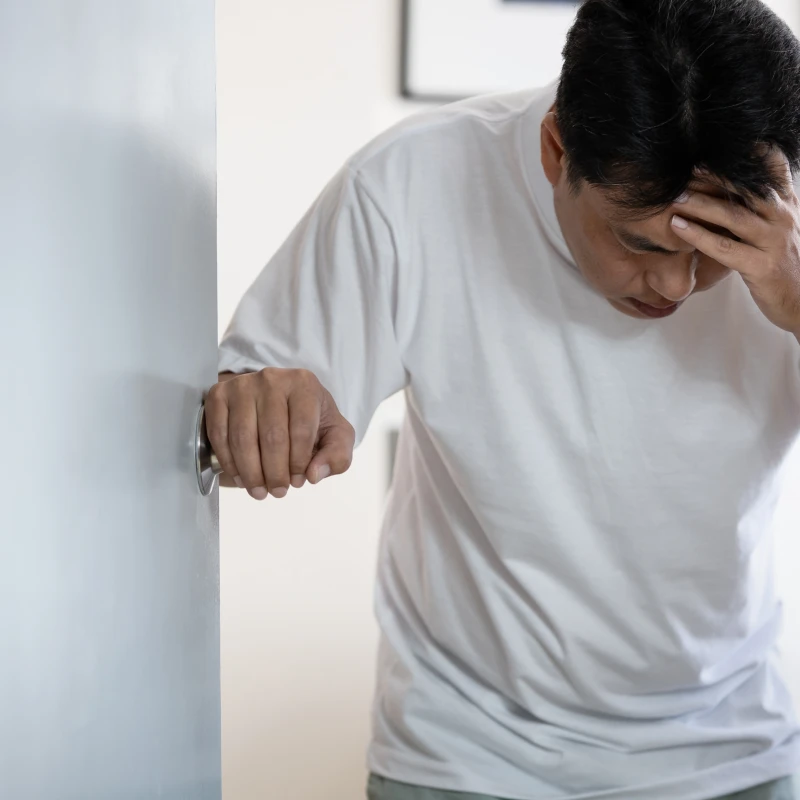
An ischemic stroke occurs when a blood clot or another blockage prevents blood from reaching part of the brain. Without an adequate supply of oxygen and nutrients, brain cells begin to become damaged within minutes. It is the most common type of stroke and requires immediate medical attention to reduce the risk of permanent brain damage, disability, or death.
Recognising the early signs of an ischemic stroke and seeking emergency treatment can significantly improve the chances of recovery. Symptoms may include sudden weakness on one side of the body, difficulty speaking, vision changes, or loss of balance. Understanding the causes, warning signs, treatment options, and recovery process can help individuals and families respond quickly when every minute matters.
An ischemic stroke is a medical emergency that occurs when an artery supplying blood to the brain becomes blocked. The blockage is usually caused by a blood clot or the buildup of fatty deposits, known as plaque, inside the blood vessels. When blood flow is interrupted, the affected brain tissue does not receive enough oxygen to function normally.
Ischemic strokes account for approximately 87% of all strokes. The severity of the stroke depends on the location of the blockage, the size of the affected area, and how quickly blood flow is restored.
Unlike a haemorrhagic stroke, which occurs when a blood vessel in the brain ruptures and bleeds, an ischemic stroke results from a blockage. Doctors use brain imaging to identify the type of stroke before selecting the appropriate treatment.
Ischemic strokes are generally classified according to how the blockage develops.
A thrombotic stroke occurs when a blood clot forms inside an artery supplying the brain. This often happens when fatty deposits accumulate along the artery walls, narrowing the blood vessel and restricting blood flow. The clot can eventually block the artery completely, causing a stroke.
An embolic stroke occurs when a blood clot forms elsewhere in the body, commonly in the heart or a large artery, and travels through the bloodstream to the brain. The clot becomes lodged in a smaller blood vessel, interrupting the blood supply. Atrial fibrillation, an irregular heart rhythm that can encourage clot formation, is an important risk factor for this type of stroke.
An ischemic stroke develops when blood flow to part of the brain is blocked. Several medical conditions and lifestyle factors can increase the likelihood of this happening.
Common causes and contributing factors include:
Atherosclerosis: Fatty deposits accumulate inside the arteries, narrowing them and increasing the risk of clot formation.
High blood pressure: Uncontrolled hypertension can damage blood vessel walls and increase the risk of stroke.
Heart conditions: Atrial fibrillation and certain other heart conditions can cause clots to form and travel to the brain.
Diabetes: Persistently high blood sugar can damage blood vessels and accelerate the buildup of plaque.
High cholesterol: Elevated LDL cholesterol contributes to plaque formation and narrowing of the arteries.
Smoking: Tobacco use damages blood vessels and increases the risk of clot formation.
Obesity and physical inactivity: These can contribute to high blood pressure, diabetes, and other stroke risk factors.
Previous stroke or transient ischemic attack (TIA): A previous stroke or TIA increases the risk of another stroke.
Age and family history can also influence stroke risk. However, an ischemic stroke can occur at any age, including in younger adults.
Ischemic stroke symptoms usually develop suddenly. They vary depending on which part of the brain is affected and how much blood flow is interrupted. Recognising these symptoms early is essential because prompt treatment may help limit brain damage.
Common symptoms include:
Sudden weakness or numbness: The face, arm, or leg may become weak or numb, particularly on one side of the body.
Facial drooping: One side of the face may droop or feel numb, making it difficult to smile evenly.
Speech difficulties: Speech may become slurred, unclear, or difficult to produce. The person may also struggle to understand what others are saying.
Vision problems: Sudden blurred vision, double vision, or loss of vision in one or both eyes may occur.
Loss of balance or coordination: The person may experience sudden dizziness, difficulty walking, or trouble maintaining balance.
Confusion: Sudden difficulty understanding information, following instructions, or communicating may be a warning sign.
Sudden severe headache: An unexplained, unusually severe headache can occur with stroke, although it is more commonly associated with some other conditions, including haemorrhagic stroke.
The B.E. F.A.S.T. method helps people identify common stroke warning signs quickly.
B – Balance: Is there sudden dizziness, difficulty walking, or loss of coordination?
E – Eyes: Has the person experienced a sudden change in vision?
F – Face: Does one side of the face droop when the person smiles?
A – Arms: Does one arm feel weak or drift downward when both arms are raised?
S – Speech: Is the person's speech slurred or difficult to understand?
T – Time: Call emergency services immediately if any of these signs appear.
Do not wait for symptoms to improve or attempt to manage them at home. Note the time the symptoms started, or when the person was last known to be well, and share this information with the emergency medical team.
An ischemic stroke must be diagnosed quickly because different types of stroke require different treatments. Doctors assess the symptoms, medical history, vital signs, and neurological function before using imaging and other tests to identify the cause.
Common diagnostic tests include:
CT scan of the brain: Helps identify bleeding and other abnormalities. It is often performed urgently to help distinguish ischemic from haemorrhagic stroke.
MRI of the brain: Can detect areas of brain injury and help establish the location and extent of the stroke.
CT angiography or MR angiography: Provides images of blood vessels to identify blockages or narrowing in arteries supplying the brain.
Blood tests: Help assess blood sugar, clotting function, and other factors relevant to diagnosis and treatment.
ECG and heart monitoring: Help identify abnormal heart rhythms, including atrial fibrillation, that may have contributed to clot formation.
Carotid ultrasound: May be used to assess narrowing in the carotid arteries that carry blood to the brain.
Not every patient requires every test. The medical team chooses investigations based on the symptoms, urgency, and suspected cause of the stroke.
The primary goal of ischemic stroke treatment is to restore blood flow to the affected part of the brain as quickly and safely as possible. Treatment depends on the time since symptoms began, the location and size of the blockage, brain imaging findings, and the patient's medical history.
Thrombolytic medicines, such as alteplase and tenecteplase, help dissolve the clot responsible for the blockage. In eligible patients, these medicines are generally considered within 4.5 hours of symptom onset, following appropriate medical assessment and brain imaging.
The sooner eligible patients receive treatment, the greater the potential benefit. These medicines can also cause serious bleeding, so doctors must carefully assess whether they are safe for each patient.
Mechanical thrombectomy is a minimally invasive procedure used to remove a clot from a blocked brain artery. A specialist guides a catheter through a blood vessel, usually starting in the groin or wrist, to reach the blockage. A specialised device or suction system is then used to remove the clot and restore blood flow.
This procedure is primarily used for selected patients with large-vessel blockages. It is often performed within six hours of symptom onset, but some eligible patients may benefit up to 24 hours later, depending on imaging findings and other clinical factors.
After the immediate emergency has been managed, doctors may prescribe medicines to reduce the risk of another stroke. Depending on the cause, these may include:
Antiplatelet medicines: Such as aspirin or clopidogrel, which reduce the tendency of platelets to form clots in appropriate patients.
Anticoagulants: Medicines that reduce clot formation, particularly for certain heart conditions such as atrial fibrillation.
Cholesterol-lowering medicines: Statins may be prescribed to manage cholesterol and reduce future vascular risk.
Blood pressure and diabetes medicines: Help control underlying conditions that contribute to stroke risk.
These medicines are not interchangeable, and the appropriate treatment depends on the cause of the stroke and the patient's condition. They should be taken only as prescribed.
Hospital care also involves monitoring for complications such as brain swelling, difficulty swallowing, infections, blood clots in the legs, and changes in breathing or consciousness. The team may provide oxygen or other supportive care when needed and assess whether swallowing is safe before allowing food, drinks, or oral medicines.
Rehabilitation helps people regain as much independence as possible after a stroke. It may begin once the patient's condition is stable and can continue for weeks or months, depending on recovery needs.
Rehabilitation may include:
Physiotherapy: Helps improve muscle strength, balance, coordination, and walking.
Occupational therapy: Supports everyday activities such as dressing, bathing, eating, and using the hands.
Speech and language therapy: Helps address speech, communication, and swallowing difficulties.
Cognitive rehabilitation: Supports attention, memory, problem-solving, and other thinking skills when affected.
Emotional support: Counselling and appropriate mental health care can help people manage anxiety, frustration, or depression during recovery.
A personalised rehabilitation plan can help patients work towards realistic recovery goals.
An ischemic stroke occurs when a blockage interrupts blood flow to the brain and causes brain injury. A transient ischemic attack (TIA), often called a mini-stroke, causes temporary stroke-like symptoms due to a brief interruption in blood flow.
The symptoms of a TIA may disappear within minutes or hours, but this does not mean the episode is harmless. A TIA can signal an increased risk of a future stroke and requires urgent medical assessment.
Important: Never ignore sudden stroke-like symptoms, even if they resolve on their own. Seek emergency medical care to determine the cause and reduce the risk of a subsequent stroke.
Recovery varies considerably from person to person. Some individuals regain most of their previous abilities, while others experience lasting changes in movement, speech, memory, or daily functioning. The extent of recovery depends on factors such as the size and location of the stroke, the speed of treatment, overall health, and access to rehabilitation.
Recovery may involve the following:
Early mobilisation: When medically appropriate, guided movement can help reduce complications and support the return of function.
Regular rehabilitation: Consistent, supervised therapy helps patients practise skills and improve independence.
Medication adherence: Taking prescribed medicines helps manage risk factors and prevent another stroke.
Nutritional support: A balanced diet can support general health and help manage conditions such as diabetes and high cholesterol.
Emotional and family support: Encouragement, practical assistance, and professional support can help patients adjust to changes after a stroke.
Follow-up appointments: Regular reviews allow doctors to monitor progress, adjust treatment, and address new concerns.
Recovery is not always linear. Progress may occur gradually, and rehabilitation goals should be reviewed regularly with the treating team.
Although not every stroke can be prevented, managing risk factors can significantly reduce the likelihood of a first or recurrent stroke.
Important preventive measures include:
Control blood pressure: Check blood pressure regularly and follow prescribed treatment.
Manage diabetes: Monitor blood sugar and maintain the treatment plan recommended by the healthcare team.
Maintain healthy cholesterol levels: Follow dietary advice and take prescribed cholesterol-lowering medicines when needed.
Eat a balanced diet: Include vegetables, fruits, whole grains, legumes, and other nutritious foods while limiting excess salt and saturated fats.
Stay physically active: Aim for regular activity suited to individual health and fitness levels.
Avoid smoking: Quitting tobacco helps improve vascular health and reduce stroke risk.
Manage heart conditions: Seek appropriate treatment for atrial fibrillation and other conditions that may cause blood clots.
Attend follow-up appointments: Review medicines, risk factors, and preventive strategies with a healthcare professional.
People who have already experienced a stroke should follow an individualised prevention plan, as the best approach depends on the underlying cause.
Seek emergency medical care immediately if you or someone nearby develops sudden facial drooping, weakness in an arm or leg, difficulty speaking, sudden vision loss, severe balance problems, or other possible stroke symptoms.
Do not wait to see whether the symptoms improve, and do not give aspirin or other medicines on your own because the type of stroke may not yet be known. Do not give food or drinks if swallowing may be affected. Call your local emergency number and arrange urgent hospital assessment.
Early evaluation allows doctors to determine whether clot-dissolving medication, clot removal, or another treatment is appropriate. Even if symptoms disappear, urgent assessment remains essential.
Ischemic stroke is a serious medical emergency caused by a blockage in the blood supply to the brain. Recognising sudden symptoms, getting emergency medical attention, and receiving appropriate treatment promptly can help limit brain injury and improve the chances of recovery. Treatment may include clot-busting medicines, mechanical thrombectomy, medicines to prevent another stroke, and structured rehabilitation.
Long-term recovery and prevention depend on identifying the cause, managing conditions such as high blood pressure and diabetes, taking prescribed medicines, and following a personalised rehabilitation and prevention plan. Knowing the warning signs and acting quickly can make a critical difference to a person's health and independence.
1. Can an ischemic stroke be cured completely?
Some people recover fully or regain most of their previous abilities after an ischemic stroke, while others experience lasting difficulties. The outcome depends on the severity and location of the stroke, how quickly treatment begins, and the individual's overall health and rehabilitation.
2. How long does it take to recover from an ischemic stroke?
Recovery can take weeks, months, or longer, depending on the extent of brain injury and the functions affected. Some improvements occur early, while others develop gradually through rehabilitation. Recovery varies from person to person.
3. What is the best treatment for an ischemic stroke?
The best treatment depends on the type and location of the blockage, the time since symptoms began, brain imaging findings, and the patient's eligibility for specific treatments. Options may include clot-busting medicines, mechanical thrombectomy, supportive hospital care, and rehabilitation.
4. Can an ischemic stroke happen without warning?
Yes. An ischemic stroke can occur suddenly, even in someone who has not noticed previous symptoms. Managing blood pressure, diabetes, cholesterol, smoking, and heart conditions can reduce risk, but it cannot eliminate it completely.
5. Can an ischemic stroke happen again?
Yes. A person who has experienced an ischemic stroke has an increased risk of another stroke. Taking prescribed medicines, controlling risk factors, attending follow-up appointments, and following the recommended prevention plan can help reduce this risk.

An ischemic stroke occurs when a blood clot or another blockage prevents blood from reaching part of the brain. Without an adequate supply of oxygen and nutrients, brain cells begin to become damaged within minutes. It is the most
16 Oct 2026

Tingling is a very common symptom, often described as ‘pins and needles,’ prickling, crawling, buzzing or burning over the skin. It most commonly affects the hands, feet, arms or legs, although it can occur anywhere in the body. Most of us
10 Aug 2026

Neck pain is extremely common and, in most people, is caused by muscle strain, prolonged posture, minor injuries or age-related changes in the cervical spine. It may begin suddenly or develop gradually and can sometimes extend into the shoulders,
10 Aug 2026

Numbness is a common neurological symptom and may be described as reduced or altered sensation, a "dead" feeling, or loss of sensation in part of the body. It often occurs along with tingling, pins-and-needles, burning, or other unusual sensations. Many episodes
10 Aug 2026
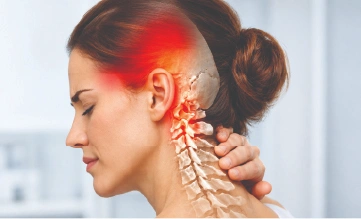
A cervicogenic headache is a common yet often misunderstood type of headache that originates from the neck. Unlike migraines or tension headaches, the root cause lies in the cervical spine, but the pain is felt in the
8 Jun 2026
Your brain communicates through a complex network of electrical signals that control your thoughts, movements and body functions. A seizure occurs when this normal electrical activity is suddenly disrupted, leading to temporary changes in behavior, movement, sensation or awareness.
21 May 2026

Your body movements are controlled by signals from the brain that travel through nerves to your muscles. These signals help maintain balance, posture and smooth motion. A tremor occurs when this control system is disrupted, leading to rhythmic, involuntary
21 May 2026

Your eyes and brain work together to help you see clearly. Light enters your eyes, gets processed and is converted into images that your brain understands. Vision problems occur when any part of this system is affected, leading to
21 May 2026
Every year, more people are diagnosed with kidney problems, often at a stage when significant damage has already occurred. The reason is simple. Kidney disease usually develops slowly and silently. In the early stages, many people feel completely
5 Mar 2026

Parkinson’s disease is a long-term neurological condition that affects movement and, over time, many non-motor aspects of health. Early symptoms are often subtle and may go unnoticed. A change in handwriting, a stiff shoulder, reduced facial expression, softening
19 Jan 2026
Headaches are one of the most common health complaints worldwide, but not all headaches are the same. Two of the most frequently experienced types are migraines and tension headaches. While they may feel similar at times, understanding the difference
5 Jan 2026

Memory is an essential part of who we are. It helps us remember people, moments, and experiences that shape our lives. Forgetting where you left your keys or what you had for dinner last night is normal. But when
5 Jan 2026
Obstructive sleep apnea is a condition where breathing repeatedly gets interrupted during sleep which leads to frequent arousals and reduced oxygenation during the night and excessive sleepiness during the day. This happens due to obstruction in the upper airway, which
17 Nov 2025

Stroke is a leading cause of disability and death worldwide, and it affects women differently than men. Women not only experience strokes more frequently at older ages, but they are also more likely to have severe outcomes. Understanding the
21 Oct 2025
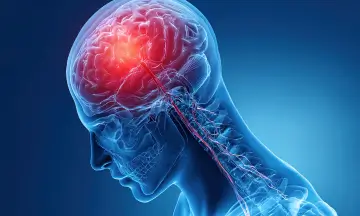
When we think of strokes, we usually imagine sudden paralysis, slurred speech, or severe headaches. But not all strokes are dramatic or immediately noticeable. Some occur quietly, without any obvious symptoms, yet they can cause long-term brain damage. These
21 Oct 2025
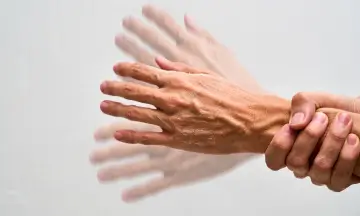
Have you ever noticed your hands shaking slightly while holding a cup or your head trembling when you’re anxious? If you’ve asked yourself, “Why is my body shaking for no reason?” — you might be experiencing tremors. Tremors are
14 Oct 2025
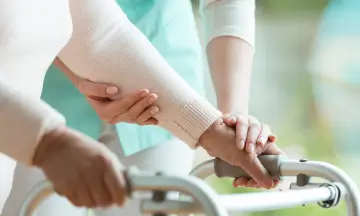
Parkinson’s disease (PD) is a progressive neurological disorder that primarily affects movement. It occurs due to a gradual loss of dopamine-producing cells in a region of the brain called the substantia nigra. Dopamine is a key chemical that helps regulate
19 Aug 2025
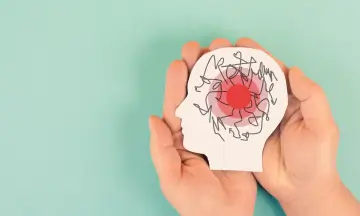
Stroke is a major public health concern in India accounting for approx. 150 new cases per 100000 per year while accounting for 150-600 cases per 100000 at any time. Stroke is the second leading cause of death globally and a
12 Aug 2025
What if a paralysed person was given a second chance at life to walk ‘again’, talk ‘again’, eat ‘again’ and move his hands ‘again’! That’s what a ‘Comprehensive Stroke Center’ does and Sakra is one now! One of the most significant
15 Jul 2025
Parkinson’s disease is a long-term neurological condition that gradually affects a person ability to move, speak, and carry out daily activities. It typically begins with subtle signs—like a slight tremor in one hand—but progresses over time, impacting various functions of the
11 Jul 2025

Parkinson's disease is a neurological ailment that becomes worse over time and affects movement, balance, and coordination. There is no proven cure, but many individuals use natural remedies along with medical therapies to deal with symptoms and make their lives
11 Jul 2025
Headaches are one of the most common health issues people experience, affecting individuals of all ages. While some are short-lived and mild, others can be persistent and disruptive. The nature of a headache—its intensity, frequency, cause, and location—often points to
10 Jul 2025
Migraines are more than just headaches—they can throw your entire day off track. If you have ever felt that pounding pain behind your eyes, the urge to sit in the dark, or nausea that ruins your appetite, you know
9 Jul 2025
Every year, May Stroke Awareness Month, also known as National Stroke Awareness Month, which focuses on raising public knowledge about strokes—how to prevent them, recognize them, and respond quickly. Stroke is a serious medical emergency that can lead to long-term
13 May 2025

A stroke is a medical emergency that happens when the blood supply to part of the brain is interrupted or reduced. Without oxygen-rich blood, brain cells start to die within minutes, which can lead to long-term brain damage, disability, or
22 Oct 2024
A brain stroke, often referred to as a "brain attack," occurs when blood flow to a part of the brain is interrupted, either due to a blocked artery (ischemic stroke) or the bursting of a blood vessel (hemorrhagic stroke). When
22 Oct 2024
A hemorrhagic stroke Stroke caused by bleeding inside or around the brain. Improper use of blood thinners rather than excessive use of blood thinners. This type of stroke is less common than ischemic strokes but is often more severe
6 Oct 2024

A stroke can happen suddenly, often with devastating consequences, but the good news is that up to the majority of strokes are preventable. Strokes occur when the blood flow to the brain is interrupted, causing brain cells to die. It
6 Oct 2024
Scoliosis is a lateral curvature of the spine, contrasting with the natural forward and backward curves of your back. Although it is commonly mild and asymptomatic, it can result in back pain and irregular posture. This condition is frequently identified
5 Aug 2024
The human spine, comprising 33 vertebrae, intricate muscles, and resilient ligaments, serves as the central support for the body and facilitates a wide range of movements. Disorders affecting the spine, such as herniated discs or scoliosis, can lead to severe
5 Aug 2024
Plantar fasciitis is a common foot condition that affects millions of people worldwide. It is best described as inflammation and irritation of the plantar fascia, a thick band of tissue that connects the heel bone to the toes. This condition
7 Feb 2024

Pregnancy is a transformative journey. It can also bring about certain discomforts. Among these back pain is a complaint, among mothers. As your body goes through changes to accommodate your growing baby it's crucial to understand the causes, symptoms, and
7 Feb 2024
Carpal tunnel syndrome (CTS) is a medical condition that affects the hand and wrist. It is caused by the compression of the median nerve, which runs through the carpal tunnel in the wrist. The carpal tunnel is a narrow passageway
7 Feb 2024
Epilepsy, a central nervous system (neurological) disorder caused by uncontrol or abnormal brain electrical activity that leads to seizures or periods of unusual behaviour, sensations and loss of awareness. Epilepsy affects 5.59 to 10 per 1,000 people in India. What
9 Jun 2021

Post-pandemic life has compelled us to be indoors and has left enough time to catch up with our hobbies. Likewise, several older adults who are nature lovers and are stuck within the four walls in the present times have started
22 Dec 2020
A stroke can happen to anyone, any time and anywhere. Stroke is the leading cause of disability worldwide and the second leading cause of death, but all strokes can be prevented. Research shows that “golden hour” patients showed remarkably more
29 Oct 2020
What is a Stroke? Stroke is also known as “Brain Attack”. It is similar to a heart attack in nature. It has the potential to affect people of all age groups. The stroke happens when the blood supply directed toward the
9 Nov 2017
A pituitary adenoma is a slow-growing and typically benign tumor arising from cells in the pituitary gland. Because they originate from cells in the pituitary gland, they often cause problems related to hormonal dysfunction. A large proportion of
12 Jan 2015
Craniosynostosis is derived from the terms cranio, syn and ostosis that relates to the bone. It is a birth defect in which one or more of the joints between the bones on an infant's skull close prematurely, before
28 Nov 2014
Enquire Now