
Home/Wellness Zone/Sakra Blogs

10th Aug, 2026

Numbness is a common neurological symptom and may be described as reduced or altered sensation, a "dead" feeling, or loss of sensation in part of the body. It often occurs along with tingling, pins-and-needles, burning, or other unusual sensations.
Many episodes are temporary - for example, when a nerve is compressed after sitting or sleeping in an awkward position. However, numbness that is persistent, recurrent, progressively worsening, or appears suddenly may require medical evaluation.
People experience sensory disturbances differently. Numbness may occur alone or together with:
Tingling or pins-and-needles
Burning or electric sensations
Reduced ability to feel touch, temperature or pain
Unusual sensitivity to touch
Pain
Weakness or clumsiness
The location and pattern of numbness often provide important clues to its cause.
For example, numbness affecting particular fingers may suggest involvement of a specific nerve, while numbness beginning in both feet and gradually moving upwards may occur with peripheral neuropathy. Sudden numbness affecting one side of the body may indicate a problem involving the brain and requires urgent assessment.
Numbness can arise from problems anywhere along the sensory pathway - from small peripheral nerves in the hands and feet to larger nerves, the spinal cord or the brain.
Diabetes is one of the most common causes of peripheral neuropathy. Other causes include vitamin deficiencies, excessive alcohol use, kidney disease, thyroid disorders, certain medications and some autoimmune or inflammatory conditions.
Because numbness is a symptom rather than a diagnosis, evaluation focuses on identifying where the problem is occurring in the nervous system and what is causing it. The doctor will usually ask:
Where did the numbness begin? Is it on one side or both sides?
Is it constant or intermittent?
Did it begin suddenly or gradually? Is it spreading or worsening?
Is there associated pain, tingling or burning?
Is there weakness, imbalance or difficulty walking?
Are there medical conditions such as diabetes or thyroid disease?
A neurological examination assesses sensation, muscle strength, reflexes, coordination and walking. The pattern of abnormalities can often help identify whether the problem arises from a peripheral nerve, nerve root, spinal cord or brain.
Not everyone with numbness requires extensive testing. Investigations are selected according to the clinical pattern and suspected cause.
Further specialised investigations may occasionally be needed when an autoimmune, inflammatory, infectious or uncommon neurological condition is suspected.
Sudden numbness should not always be assumed to be due to a "pinched nerve." Seek urgent medical attention if numbness develops suddenly, particularly when accompanied by:
Weakness of the face, arm, or leg
Facial drooping
Difficulty speaking or understanding speech
Sudden difficulty walking or loss of balance
Sudden visual disturbance
Severe headache
Loss of consciousness or confusion
These symptoms may indicate a stroke or another acute neurological condition. Urgent assessment is also required when numbness is associated with:
Rapidly progressive weakness
Difficulty walking that is worsening
Loss of bladder or bowel control
Numbness around the genital or inner-thigh region
Significant recent injury to the head, neck or back
There is no single treatment for numbness. Treatment depends on the underlying cause. For example, treatment may involve:
Improving blood sugar control in diabetes
Replacing vitamin B12 when deficiency is confirmed
Treating an underlying thyroid, kidney or other metabolic disorder
Physiotherapy and activity modification for selected nerve or spinal problems
Medication for associated neuropathic pain or burning sensations
Treating inflammatory or autoimmune neurological conditions when present
Surgery in selected cases of significant nerve or spinal cord compression
Simply treating the sensation without identifying its cause may not be sufficient, particularly when numbness is persistent or progressive.
Not every cause of numbness is preventable. However, some forms of peripheral nerve damage can be reduced by addressing modifiable risk factors.
Maintaining good control of diabetes
Eating a balanced diet and correcting documented nutritional deficiencies
Limiting excessive alcohol consumption
Remaining physically active
Avoiding prolonged pressure on individual nerves
Managing underlying medical conditions appropriately
Routine vitamin supplementation is not necessary for everyone and should not replace evaluation of persistent symptoms.
Reduced sensation can make injuries less noticeable, particularly when the feet are affected. People with significant sensory loss should:
Regularly inspect numb areas for cuts, burns or injuries
Take particular care with hot water and heating devices
Wear comfortable, protective footwear when sensation in the feet is reduced
Follow appropriate foot-care advice, especially when diabetes is present
Seek medical attention if numbness progresses or new weakness develops
The outlook depends entirely on the cause.
Temporary nerve compression may resolve within minutes, while recovery from an injured nerve may take considerably longer. Some neuropathies improve when the underlying cause is identified and treated, whereas others may require long-term management.
Persistent numbness should therefore not simply be accepted as normal, particularly when it is progressive or accompanied by weakness or imbalance.
1. Is numbness always a sign of nerve damage?
No. Temporary pressure on a nerve can produce numbness or pins-and-needles without causing permanent damage. Persistent or recurrent numbness, however, should be evaluated.
2. Why do my hands or feet keep becoming numb?
There are many possible causes, including nerve compression, peripheral neuropathy, diabetes, vitamin deficiencies and problems involving the spine. The pattern and distribution of numbness help determine the likely cause.
3. Can diabetes cause numbness?
Yes. Diabetes can damage peripheral nerves over time. Diabetic neuropathy commonly begins with numbness, tingling or burning in the feet and may gradually progress.
4. Can vitamin B12 deficiency cause numbness?
Yes. Vitamin B12 deficiency can affect the peripheral nerves and spinal cord and may cause numbness, tingling, imbalance and other neurological symptoms. The diagnosis should be confirmed with appropriate evaluation rather than assuming that all numbness is due to vitamin deficiency.
5. When should I see a doctor for numbness?
Medical evaluation is advisable when numbness is persistent, recurrent, progressively worsening or associated with pain, weakness or difficulty walking. Sudden numbness - particularly on one side of the body or accompanied by weakness, facial drooping, speech difficulty, visual symptoms or imbalance - requires urgent medical attention.
6. Can numbness be treated?
Often, yes, but treatment depends on the cause. Some conditions are reversible, while others can be controlled to prevent further nerve damage or reduce associated symptoms. Identifying the underlying cause is therefore more important than treating numbness in isolation.

Tingling is a very common
10 Aug 2026

Neck pain is extremely common
10 Aug 2026

Numbness is a common neurological
10 Aug 2026
A cervicogenic headache is
8 Jun 2026

Your brain communicates through
21 May 2026

Your body movements are
21 May 2026

Your eyes and brain
21 May 2026

Every year, more people
5 Mar 2026

Parkinson’s disease is
19 Jan 2026

Headaches are one of
5 Jan 2026

Memory is an essential
5 Jan 2026

Obstructive sleep apnea is a
17 Nov 2025

Stroke is a leading
21 Oct 2025
When we think of
21 Oct 2025

Have you ever noticed
14 Oct 2025

Parkinson’s disease (PD) is a
19 Aug 2025

Stroke is a major public
12 Aug 2025

What if a paralysed person
15 Jul 2025

Parkinson’s disease is a long-term
11 Jul 2025

Parkinson's disease is a neurological
11 Jul 2025

Headaches are one of the
10 Jul 2025

Migraines are more than just
9 Jul 2025

Every year, May Stroke Awareness
13 May 2025

A stroke is a medical
22 Oct 2024
A brain stroke, often referred
22 Oct 2024
A hemorrhagic stroke Stroke caused
6 Oct 2024

A stroke can happen suddenly,
6 Oct 2024
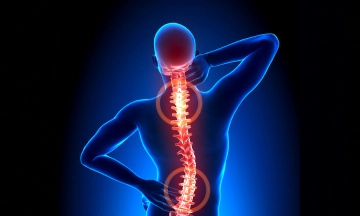
Scoliosis is a lateral curvature
5 Aug 2024

The human spine, comprising 33
5 Aug 2024
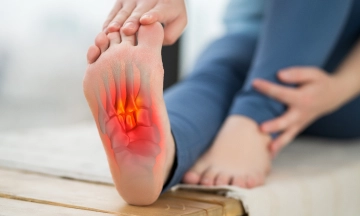
Plantar fasciitis is a common
7 Feb 2024

Pregnancy is a transformative journey.
7 Feb 2024
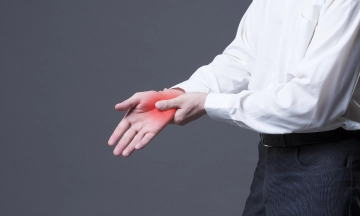
Carpal tunnel syndrome (CTS) is
7 Feb 2024

Epilepsy, a central nervous system
9 Jun 2021

Post-pandemic life has compelled us
22 Dec 2020
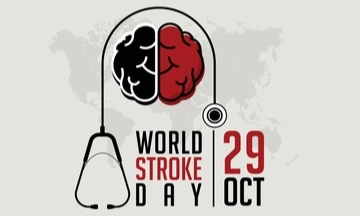
A stroke can happen to
29 Oct 2020
What is a Stroke? Stroke is
9 Nov 2017
A pituitary adenoma
12 Jan 2015
Craniosynostosis is derived
28 Nov 2014
Enquire Now