

Home/Wellness Zone/Sakra Blogs

28th Nov, 2014
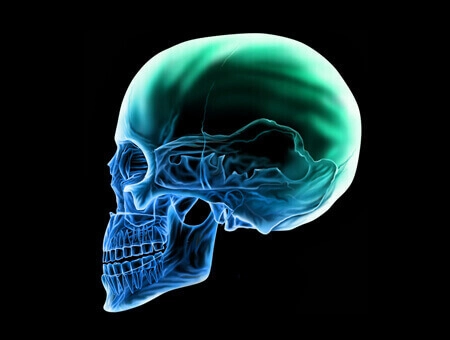
Craniosynostosis is derived from the terms cranio, syn and ostosis that relates to the bone. It is a birth defect in which one or more of the joints between the bones on an infant's skull close prematurely, before the infant's brain is fully formed. Craniosynostosis transpire in one in 2000 births. An infant’s skull has seven bones. In general, these bones don’t fuse until the age of 2, giving enough time for the infant’s brain to develop. These bones are held together with a joint called cranial sutures, made of strong fibrous tissue.
Symptoms of Craniosynostosis
Increase of pressure inside the skull such as intracranial pressure
A distorted skull having the shape that depend upon which of the cranial sutures are affected
Development of a hard or raised ridge near the affected sutures
No or slow growth of the head as the baby grows
Abnormal disappearing or feeling of a soft spot on the skull of the baby
Craniosynostosis can be categorized into many types. Some of the most commonly found types are:

Sagittal synostosis (scaphocephaly)
Premature fusion of the sew up at the top of the head forces the head to grow long and thin, rather than wide. Scaphocephaly is the most common type of craniosynostosis.
Coronal synostosis (anterior plagiocephaly)
The premature fusion of a coronal suture may force the infant’s forehead to flatten on the affected side. It can as well cause a deviated nose and slanted skull.
Bicoronal synostosis (brachycephaly)
In this stage, the baby may have a flat, elevated forehead and brow. This happens when both of the coronal sutures fuse prematurely.
Treatment of Craniosynostosis
The overall health and medical history of the child has to be taken into priority. The only craniosynostosis treatment is an intervention of surgery. An open surgery is performed to reshape the skull of the child. This is made at the top of the head by an incision. Followed by the affected suture is removed by a neurosurgeon, giving a more normal shape to the skull bones by a craniofacial plastic surgeon. Screws and plates are used for holding the new shape till the time bone heals. The screws and plates are made up of special material that absolutely dissolves in 1-2 years. Only one surgery is required if a baby has single-suture craniosynostosis. More than one surgery is required if a child has craniosynostosis caused by craniofacial syndromes.

Yes, it is possible to have a stroke while sleeping. A stroke occurs when the blood supply to part of the brain is interrupted by a blockage or when a blood vessel ruptures and bleeds. Because a person is
16 Oct 2026

An ischemic stroke occurs when a blood clot or another blockage prevents blood from reaching part of the brain. Without an adequate supply of oxygen and nutrients, brain cells begin to become damaged within minutes. It is the most
16 Oct 2026

Tingling is a very common symptom, often described as ‘pins and needles,’ prickling, crawling, buzzing or burning over the skin. It most commonly affects the hands, feet, arms or legs, although it can occur anywhere in the body. Most of us
10 Aug 2026

Neck pain is extremely common and, in most people, is caused by muscle strain, prolonged posture, minor injuries or age-related changes in the cervical spine. It may begin suddenly or develop gradually and can sometimes extend into the shoulders,
10 Aug 2026

Numbness is a common neurological symptom and may be described as reduced or altered sensation, a "dead" feeling, or loss of sensation in part of the body. It often occurs along with tingling, pins-and-needles, burning, or other unusual sensations. Many episodes
10 Aug 2026
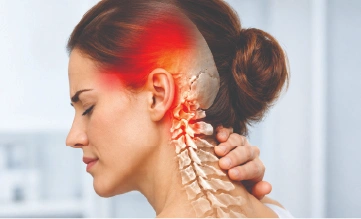
A cervicogenic headache is a common yet often misunderstood type of headache that originates from the neck. Unlike migraines or tension headaches, the root cause lies in the cervical spine, but the pain is felt in the
8 Jun 2026

Your brain communicates through a complex network of electrical signals that control your thoughts, movements and body functions. A seizure occurs when this normal electrical activity is suddenly disrupted, leading to temporary changes in behavior, movement, sensation or awareness.
21 May 2026

Your body movements are controlled by signals from the brain that travel through nerves to your muscles. These signals help maintain balance, posture and smooth motion. A tremor occurs when this control system is disrupted, leading to rhythmic, involuntary
21 May 2026

Your eyes and brain work together to help you see clearly. Light enters your eyes, gets processed and is converted into images that your brain understands. Vision problems occur when any part of this system is affected, leading to
21 May 2026
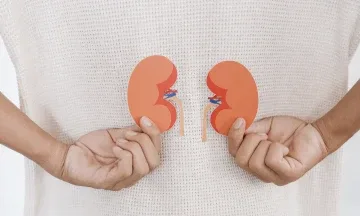
Every year, more people are diagnosed with kidney problems, often at a stage when significant damage has already occurred. The reason is simple. Kidney disease usually develops slowly and silently. In the early stages, many people feel completely
5 Mar 2026
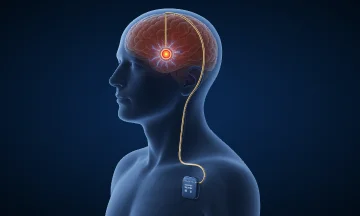
Deep brain stimulation (DBS) has long served as a transformative surgical intervention for patients with advanced Parkinson’s disease whose motor symptoms, such as tremors and rigidity, are no longer well-managed by medication alone. Often compared to a "pacemaker
3 Feb 2026

Parkinson’s disease is a long-term neurological condition that affects movement and, over time, many non-motor aspects of health. Early symptoms are often subtle and may go unnoticed. A change in handwriting, a stiff shoulder, reduced facial expression, softening
19 Jan 2026
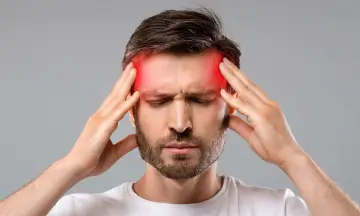
Headaches are one of the most common health complaints worldwide, but not all headaches are the same. Two of the most frequently experienced types are migraines and tension headaches. While they may feel similar at times, understanding the difference
5 Jan 2026

Memory is an essential part of who we are. It helps us remember people, moments, and experiences that shape our lives. Forgetting where you left your keys or what you had for dinner last night is normal. But when
5 Jan 2026
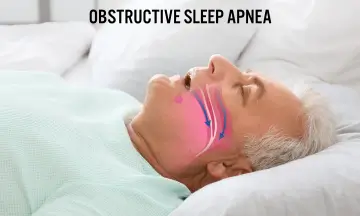
Obstructive sleep apnea is a condition where breathing repeatedly gets interrupted during sleep which leads to frequent arousals and reduced oxygenation during the night and excessive sleepiness during the day. This happens due to obstruction in the upper airway, which
17 Nov 2025

Sciatica is a common condition that affects the sciatic nerve, the longest nerve in the body, which runs from the lower back down to each leg. This condition can cause significant discomfort, limit mobility, and affect daily activities. Understanding
10 Nov 2025

Almost everyone experiences neck discomfort at some point, whether it's a mild stiffness after a long sleep or a sharp, persistent ache. Your neck (cervical spine) is a complex structure that supports the weight and movement of your head,
10 Nov 2025

Stroke is a leading cause of disability and death worldwide, and it affects women differently than men. Women not only experience strokes more frequently at older ages, but they are also more likely to have severe outcomes. Understanding the
21 Oct 2025
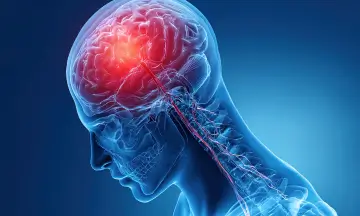
When we think of strokes, we usually imagine sudden paralysis, slurred speech, or severe headaches. But not all strokes are dramatic or immediately noticeable. Some occur quietly, without any obvious symptoms, yet they can cause long-term brain damage. These
21 Oct 2025

Have you ever noticed your hands shaking slightly while holding a cup or your head trembling when you’re anxious? If you’ve asked yourself, “Why is my body shaking for no reason?” — you might be experiencing tremors. Tremors are
14 Oct 2025

Parkinson’s disease (PD) is a progressive neurological disorder that primarily affects movement. It occurs due to a gradual loss of dopamine-producing cells in a region of the brain called the substantia nigra. Dopamine is a key chemical that helps regulate
19 Aug 2025
Stroke is a major public health concern in India accounting for approx. 150 new cases per 100000 per year while accounting for 150-600 cases per 100000 at any time. Stroke is the second leading cause of death globally and a
12 Aug 2025
What if a paralysed person was given a second chance at life to walk ‘again’, talk ‘again’, eat ‘again’ and move his hands ‘again’! That’s what a ‘Comprehensive Stroke Center’ does and Sakra is one now! One of the most significant
15 Jul 2025
Parkinson’s disease is a long-term neurological condition that gradually affects a person ability to move, speak, and carry out daily activities. It typically begins with subtle signs—like a slight tremor in one hand—but progresses over time, impacting various functions of the
11 Jul 2025

Parkinson's disease is a neurological ailment that becomes worse over time and affects movement, balance, and coordination. There is no proven cure, but many individuals use natural remedies along with medical therapies to deal with symptoms and make their lives
11 Jul 2025

Headaches are one of the most common health issues people experience, affecting individuals of all ages. While some are short-lived and mild, others can be persistent and disruptive. The nature of a headache—its intensity, frequency, cause, and location—often points to
10 Jul 2025
Migraines are more than just headaches—they can throw your entire day off track. If you have ever felt that pounding pain behind your eyes, the urge to sit in the dark, or nausea that ruins your appetite, you know
9 Jul 2025
Hydrocephalus is a neurological condition caused by an abnormal accumulation of cerebrospinal fluid (CSF) in the brain's ventricles. If unchecked, this build-up can put pressure on the brain, causing a variety of symptoms and maybe major problems. Although usually linked
12 Jun 2025
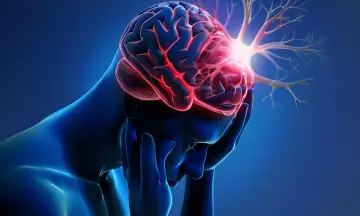
A blood clot in the brain is a life-threatening condition that needs immediate medical attention. This condition occurs when a clot blocks or restricts blood flow to the brain, depriving it of oxygen and essential nutrients. Without quick intervention, this
12 Jun 2025
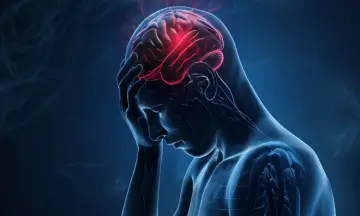
Every year, May Stroke Awareness Month, also known as National Stroke Awareness Month, which focuses on raising public knowledge about strokes—how to prevent them, recognize them, and respond quickly. Stroke is a serious medical emergency that can lead to long-term
13 May 2025

A stroke is a medical emergency that happens when the blood supply to part of the brain is interrupted or reduced. Without oxygen-rich blood, brain cells start to die within minutes, which can lead to long-term brain damage, disability, or
22 Oct 2024
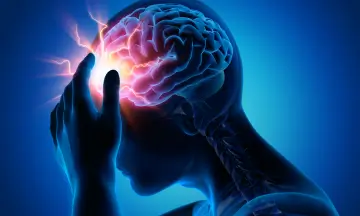
A brain stroke, often referred to as a "brain attack," occurs when blood flow to a part of the brain is interrupted, either due to a blocked artery (ischemic stroke) or the bursting of a blood vessel (hemorrhagic stroke). When
22 Oct 2024
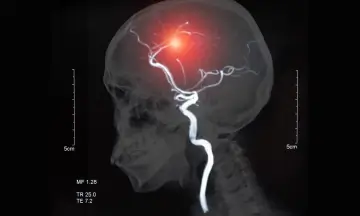
A hemorrhagic stroke Stroke caused by bleeding inside or around the brain. Improper use of blood thinners rather than excessive use of blood thinners. This type of stroke is less common than ischemic strokes but is often more severe
6 Oct 2024

A stroke can happen suddenly, often with devastating consequences, but the good news is that up to the majority of strokes are preventable. Strokes occur when the blood flow to the brain is interrupted, causing brain cells to die. It
6 Oct 2024
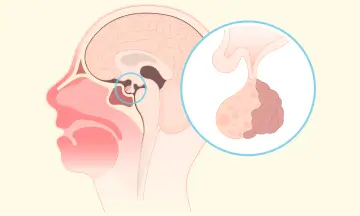
What are pituitary tumors, and how common are they? Pituitary tumors are growths that develop in the pituitary gland, a small organ which secretes essential hormones and is located behind the nose at the base of the brain. Studies show that
16 Sep 2024
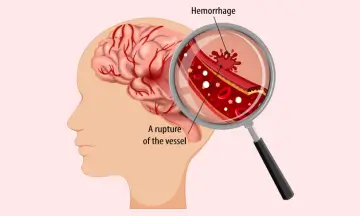
What is brain hemorrhage and how does it differ from stroke? Brain hemorrhage is a medical emergency which occurs when A blood vessel in the brain leaks or bursts, causing bleeding within the brain. The increased pressure because of the bleed
16 Sep 2024
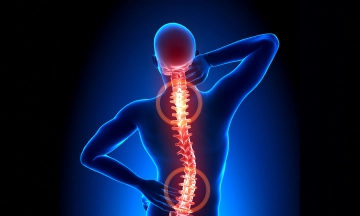
Scoliosis is a lateral curvature of the spine, contrasting with the natural forward and backward curves of your back. Although it is commonly mild and asymptomatic, it can result in back pain and irregular posture. This condition is frequently identified
5 Aug 2024
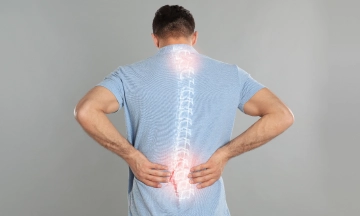
The human spine, comprising 33 vertebrae, intricate muscles, and resilient ligaments, serves as the central support for the body and facilitates a wide range of movements. Disorders affecting the spine, such as herniated discs or scoliosis, can lead to severe
5 Aug 2024
Brain tumors can be a daunting diagnosis, affecting not just physical health but also mental and emotional well-being. For many, the first step in treatment involves brain tumor surgery. What Are Brain Tumors? Brain tumors are abnormal growths of cells in the
16 Jul 2024
Functional neurosurgery is a specialized field that focuses on the treatment of neurological disorders through surgical interventions aimed at improving the quality of life for patients. Unlike traditional neurosurgery, which often targets structural issues such as tumors or trauma, functional
16 Jul 2024
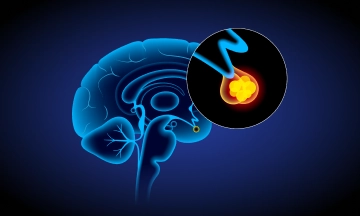
What are pituitary tumors, and how common are they? Pituitary tumors are growths that develop in the pituitary gland, a small organ which secretes essential hormones and is located behind the nose at the base of the brain. Studies show that
10 Apr 2024
Brain tumours are the most terrifying diagnosis one can get upon visiting the neurosurgeon for a headache, vomiting, loss of vision, weakness of the limbs, speech and memory problems or imbalance. As for most tumours, they may be benign
1 Apr 2024
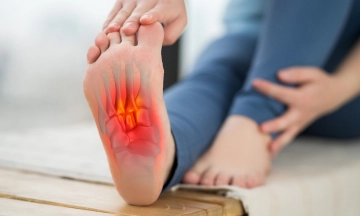
Plantar fasciitis is a common foot condition that affects millions of people worldwide. It is best described as inflammation and irritation of the plantar fascia, a thick band of tissue that connects the heel bone to the toes. This condition
7 Feb 2024
Plantar fasciitis is a common foot condition that affects millions of people worldwide. It is best described as inflammation and irritation of the plantar fascia, a thick band of tissue that connects the heel bone to the toes. This condition
7 Feb 2024

Pregnancy is a transformative journey. It can also bring about certain discomforts. Among these back pain is a complaint, among mothers. As your body goes through changes to accommodate your growing baby it's crucial to understand the causes, symptoms, and
7 Feb 2024
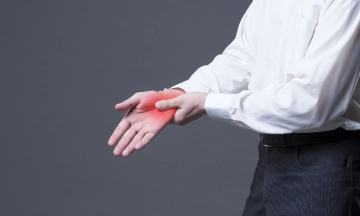
Carpal tunnel syndrome (CTS) is a condition that occurs when the median nerve, which runs through a narrow passage in the wrist called the carpal tunnel, becomes compressed. This nerve helps provide sensation to the thumb, index finger, middle finger,
7 Feb 2024
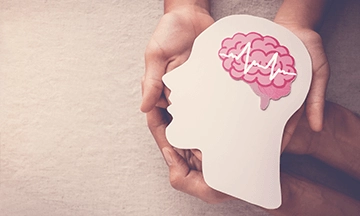
Epilepsy, a central nervous system (neurological) disorder caused by uncontrol or abnormal brain electrical activity that leads to seizures or periods of unusual behaviour, sensations and loss of awareness. Epilepsy affects 5.59 to 10 per 1,000 people in India. What
9 Jun 2021
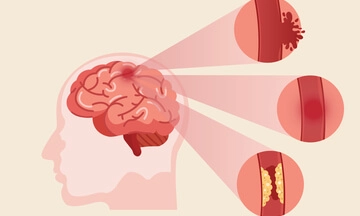
Stroke is the leading cause of disability and in many cases, they don’t have to be deadly. Early diagnosis and treatment of the stroke can limit the brain damage and improve the outcomes of treating it. When does a stroke
25 Jan 2021

Post-pandemic life has compelled us to be indoors and has left enough time to catch up with our hobbies. Likewise, several older adults who are nature lovers and are stuck within the four walls in the present times have started
22 Dec 2020
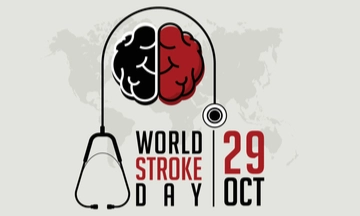
A stroke can happen to anyone, any time and anywhere. Stroke is the leading cause of disability worldwide and the second leading cause of death, but all strokes can be prevented. Research shows that “golden hour” patients showed remarkably more
29 Oct 2020
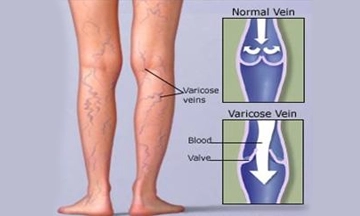
What is a varicose vein Varicose veins are twisted, enlarged veins. Any superficial vein may become varicose, but the veins most commonly affected are those in your legs. It happens because of defective valves in the vein that causes reflux and
13 Nov 2019
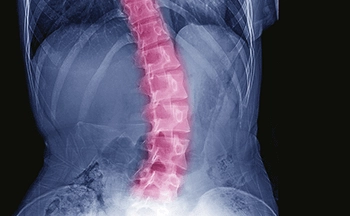
What if you had a spine deformity so severe that you couldn’t walk? Does it seem like a hopeless situation? It doesn’t have to be. Sakra World Hospital is a pioneer in spinal care and surgery and we pride ourselves
16 Oct 2018
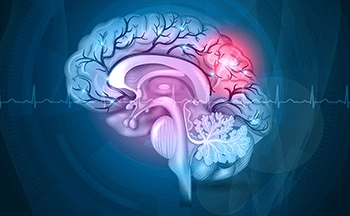
What is a Stroke? Stroke is also known as “Brain Attack”. It is similar to a heart attack in nature. It has the potential to affect people of all age groups. The stroke happens when the blood supply directed toward the
9 Nov 2017
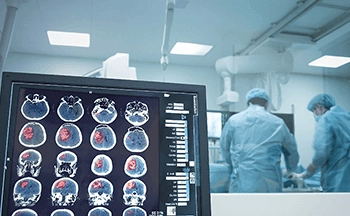
Bengaluru doctors claim it to be first-of-its-kind on a child Seven-year-old Nitin (name changed), who complained of a persistent headache and frequent bouts of fits, was diagnosed with a brain tumor around vital blood vessels in the speech area. He required
21 Jul 2017
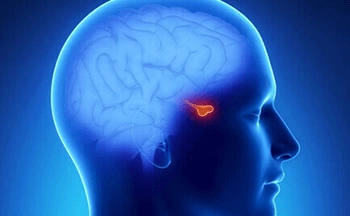
A pituitary adenoma is a slow-growing and typically benign tumor arising from cells in the pituitary gland. Because they originate from cells in the pituitary gland, they often cause problems related to hormonal dysfunction. A large proportion of
12 Jan 2015
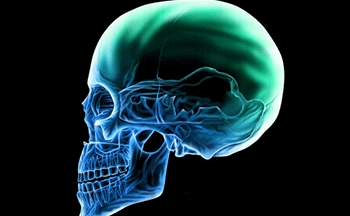
Craniosynostosis is derived from the terms cranio, syn and ostosis that relates to the bone. It is a birth defect in which one or more of the joints between the bones on an infant's skull close prematurely, before
28 Nov 2014
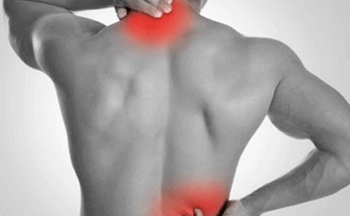
For a vast majority of us, Back and Neck Pain is a fact of life. The timescale of it may vary, but it does visit each of us at some point of time in our lives. Fortunately, majority
24 Sep 2014

Can we imagine a life without computers? Electronic s and computers have percolated into our life at an alarming pace and magnitude. This has occurred at a scale to make me wonder if typing skills in my children
18 Jul 2014
Enquire Now


