
Home/Wellness Zone/Sakra Blogs

5th Feb, 2019
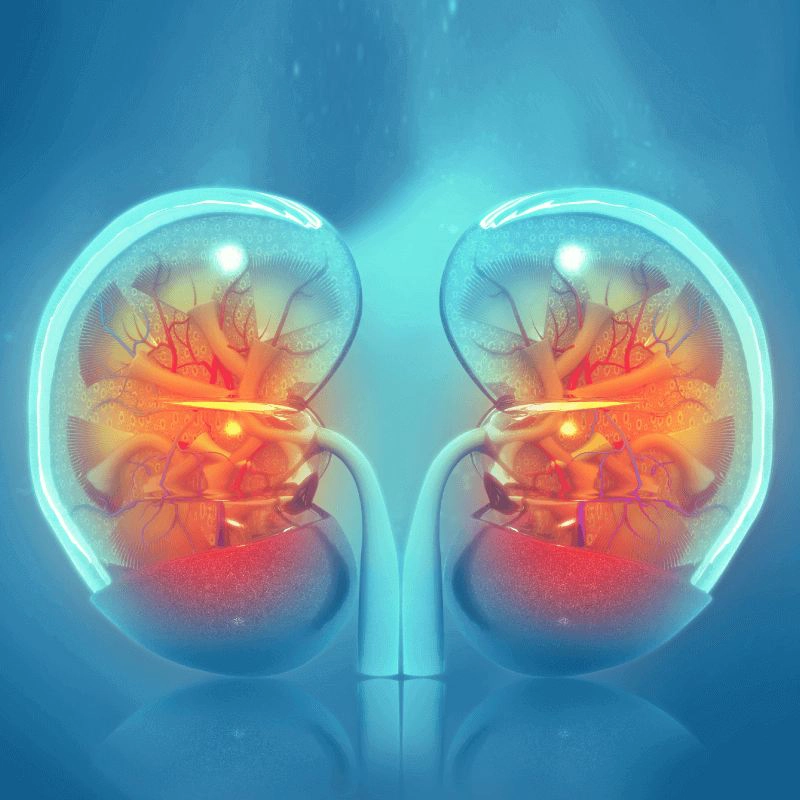
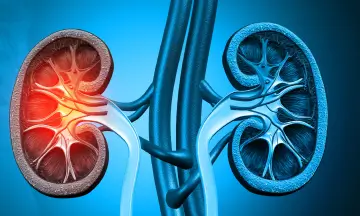
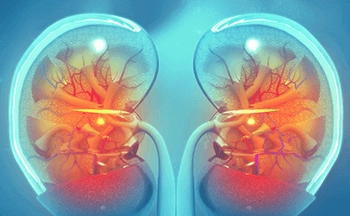
The kidneys are parts of your body whose function is to filter and remove excess waste, minerals and fluid and regulate blood pressure. However, there are situations when your kidney is unable to perform this filtering ability and that is considered a kidney failure. When the kidneys fail to perform their functions, it needs prompt treatment and potentially transplantation. There are 2 options – dialysis or a kidney transplant. Dialysis is a procedure that uses an artificial kidney to remove waste and excess fluids from the body when your own kidney fails to do so.
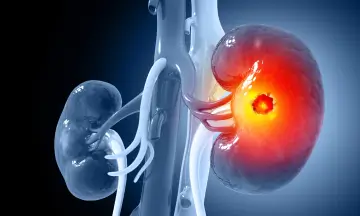
A kidney transplant, on the other hand, is a surgical procedure performed to treat kidney failure. Many opt for this procedure as it offers more freedom and a better quality of life. A kidney transplant is done by placing a healthy kidney into your body to perform its functions when your own kidney doesn’t function normally anymore.
Who Needs A Kidney Transplant?
Kidney transplants are usually considered when a person has End-Stage Renal Disease (ESRD). This is a permanent condition suggesting kidney failure. People who get transplants tend to live longer compared to those undergoing dialysis treatment. Along with this, a better quality of life, fewer restrictions on diet, fewer long-term health issues and a guaranteed more energetic body are some of the reasons people prefer a kidney transplant over dialysis.
The kidney transplant could happen from a living donor or a deceased donor. The main reason as to why living donor transplantations are preferred more over deceased donors is because the former transplant has a lower risk of complications and lower time on a waiting list for a patient.
What Are The Risks Of Kidney Transplants?
Like any other surgery, there are some risks associated with this procedure. These include:
1. Kidney rejection – Sometimes the body rejects the new kidney placed into the body of the patient. However, with healthcare development now, there are new medicines to help the patient to cope with such situations.
2. General surgical procedure risks - Just like most surgeries have risks that come with it, some complications like bleeding and infections could occur.
3. Side effects from anti-rejection medicines – After the procedure, a patient takes medicines in order to help the body accept the new kidney. These medicines could bring about side effects like acne, diabetes, weight gain, excessive hair growth or loss, high blood pressure or cholesterol.
Eligibility
A kidney transplant is a serious medical procedure and the first thing that the patient needs to do is to choose the right transplant centre or hospital for the procedure. A person with heart conditions, infections that can’t be treated, cancer, and other serious conditions that cannot be rectified will not be eligible for a kidney transplant. The centre will consider the following factors in the patient before adding them to the donor waiting list.
1. Mental health evaluation – The patient’s mental state plays a major role in deciding their situation for a kidney transplant. Factors like stress, financial situation and family support are evaluated before deeming the patient fit for a transplant.
2. Blood tests – One of the major steps before finalizing a transplant is to find a matching donor and ensure that the kidney will not be rejected. For this purpose, few blood tests are conducted on the patient.
3. Other tests – Basic physical tests to check your kidneys, X-rays and other body scans will be conducted to have an overall health evaluation for the patient.
Post - Surgery & Recovery.
There are certain things you need to expect before and after the procedure. All the above factors based on the patient and their donor’s mental and physical health evaluation will be done. Post the surgical procedure, the patient will be taken to the recovery room for close monitoring until their body functionalities like heart rate, blood pressure and breathing become stable. The patient will spend a day or two in the ICU as well under observation during this period.
Ideally, the recovery period requires the patient to spend a few days or a week at the hospital depending on their recovery speed. Blood samples will be taken often from the patient in order to check the status of the new kidney. Urine content will also be checked to test the kidney functionality in the new body. Anti-rejection medicines will be provided to the patient in order to help the body accept the new kidney. The patient will move slowly from liquid food to more solid food. Specialists will guide the patient on post-surgery care that needs to be followed at the hospital as well as on returning back home. Once the patient becomes stable, they will be discharged.

The prostate is a
21 Sep 2026

Kidney stones are a
21 Sep 2026

Dysuria, commonly known as
18 Jun 2026

Kidney stones are no
17 Jun 2026

Urology robotic surgery
10 Mar 2026
Every year, World Kidney
5 Mar 2026
Epithelial cells are specialized cells
14 Mar 2025
Benign Prostatic Hyperplasia (BPH), commonly
28 Feb 2025
A donor nephrectomy is a
28 Feb 2025
Robotic Pyeloplasty is an advanced,
27 Feb 2025
Partial nephrectomy is a
27 Feb 2025
A kidney transplant is a
27 Feb 2025

Female incontinence, or the involuntary
15 Nov 2024
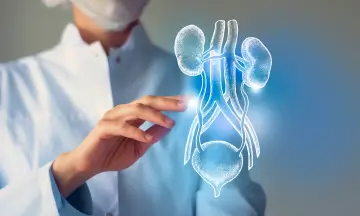
Uro cancer or more precisely
15 Nov 2024

Bladder cancer is one of
15 Nov 2024
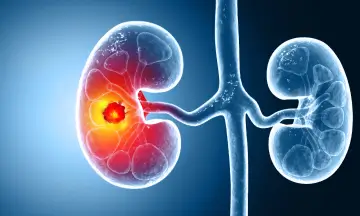
Kidney cancer or renal cancer,
15 Nov 2024

Urinary Tract Infections (UTIs) are
9 Aug 2024
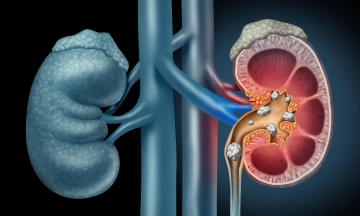
Kidney stones, solid deposits of
7 Aug 2024

The field of urology has
4 Jul 2024

Prostate health is a critical
4 Jul 2024
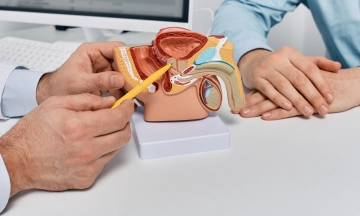
Prostate health is a critical
1 Jul 2024
The sudden onset of excruciating
12 Feb 2024

Bladder health is often taken
2 Nov 2023

In the realm of medical
11 Sep 2023

Advancements in medical technology and
11 Sep 2023

Erectile dysfunction is a medical
9 May 2023

Renal transplantation is a medical
4 May 2023
Prostate cancer refers to a
27 Mar 2023

Imagine the misery, a 13-year-old
20 May 2021
The kidneys are parts of
5 Feb 2019

Kidney Disease is often thought
14 Mar 2017
The kidneys are bean-shaped organs,
17 Jan 2017
Enquire Now