
Home/Wellness Zone/Sakra Blogs

9th Aug, 2024
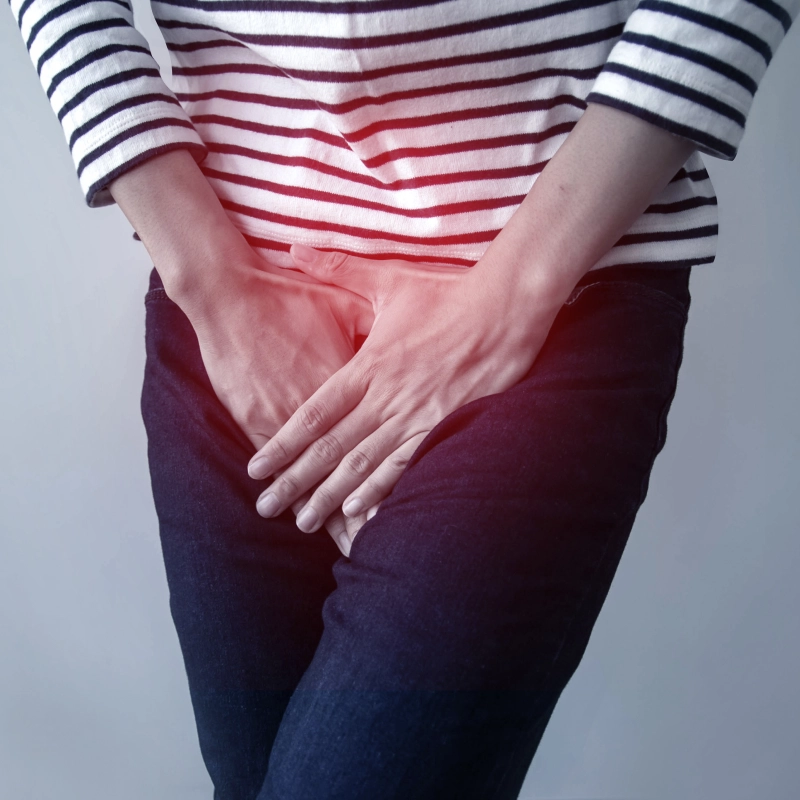
Urinary Tract Infections (UTIs) are a common and uncomfortable problem, particularly among women. The infection occurs when bacteria enter the urinary tract and multiply, leading to symptoms such as a frequent urge to urinate, pain during urination, and cloudy or strong-smelling urine. While medical treatment is often necessary, there are also several effective home remedies and preventive measures that can help alleviate symptoms and reduce the risk of future infections.
UTIs can affect any part of the urinary system, including the urethra, bladder, ureters, and kidneys. Women are more prone to UTIs due to their shorter urethra, which allows bacteria easier access to the bladder. Symptoms of UTIs in women can include:
Drinking plenty of water is crucial when dealing with a UTI. Water helps dilute urine and ensures that you urinate more frequently, flushing out bacteria from the urinary tract. Aim for at least eight glasses of water a day to stay hydrated.
Don't hold your urine. Frequent urination helps flush out bacteria from the bladder and urethra, reducing the risk of infection.
Cranberry juice is a popular home remedy for UTIs. It contains compounds called proanthocyanidins that may prevent bacteria from adhering to the walls of the urinary tract. While more research is needed, drinking unsweetened cranberry juice or taking cranberry supplements may help reduce the risk of recurrent UTIs.
Probiotics are beneficial bacteria that can help maintain a healthy balance of microflora in the body. Taking probiotic supplements or consuming probiotic-rich foods like yogurt, kefir, and sauerkraut can help prevent UTIs by promoting a healthy urinary tract environment.
Vitamin C can help acidify urine, making it less hospitable for bacteria. Consuming vitamin C-rich foods like oranges, strawberries, kiwi, and bell peppers, or taking a vitamin C supplement, may help prevent UTIs.
D-Mannose is a type of sugar that can prevent bacteria from sticking to the walls of the urinary tract. It is available as a supplement and may be effective in reducing the frequency of UTIs, especially in women with recurrent infections.
Certain products can irritate the urinary tract and exacerbate UTI symptoms. Avoid using harsh soaps, douches, and feminine hygiene sprays. Opt for unscented and gentle personal care products.
Proper hygiene practices can help prevent UTIs. Always wipe from front to back after using the toilet to prevent bacteria from the anus from entering the urethra. Also, urinate after sexual intercourse to help flush out any bacteria that may have been introduced during sex.
Wearing loose-fitting, breathable clothing, and cotton underwear can help keep the genital area dry and reduce the risk of bacterial growth.
Urinary Tract Infections are a common issue for women, but they can often be managed and prevented with a combination of medical treatment and home remedies. Staying hydrated, practicing good hygiene, and incorporating natural remedies like cranberry juice, probiotics, and vitamin C into your routine can help alleviate symptoms and reduce the risk of recurrent infections. Always consult with a healthcare provider for proper diagnosis and treatment of UTIs.
A .UTI is an infection that occurs in any part of the urinary system, including the kidneys, bladder, ureters, and urethra. In women, the infection usually occurs in the bladder and urethra.
A. simple UTI usually does not affect fertility. However, if a UTI leads to a more severe infection, such as a kidney infection, it could potentially have an impact on reproductive health.
A. While home remedies like drinking water, taking probiotics, and using heating pads can help alleviate symptoms, they should not replace medical treatment. Always consult a healthcare provider for appropriate treatment.
A. Yes, UTIs are very common in women. Studies suggest that at least 50% of women will experience a UTI at some point in their lives.
UTIs are typically diagnosed based on symptoms and confirmed with a urine test that checks for the presence of bacteria, white blood cells, and red blood cells.

The prostate is a
21 Sep 2026

Kidney stones are a
21 Sep 2026

Dysuria, commonly known as
18 Jun 2026

Kidney stones are no
17 Jun 2026

Urology robotic surgery
10 Mar 2026

Epithelial cells are specialized cells
14 Mar 2025

Benign Prostatic Hyperplasia (BPH), commonly
28 Feb 2025
A donor nephrectomy is a
28 Feb 2025

Robotic Pyeloplasty is an advanced,
27 Feb 2025
Partial nephrectomy is a
27 Feb 2025
A kidney transplant is a
27 Feb 2025

Female incontinence, or the involuntary
15 Nov 2024
Uro cancer or more precisely
15 Nov 2024

Bladder cancer is one of
15 Nov 2024
Kidney cancer or renal cancer,
15 Nov 2024
Urinary Tract Infections (UTIs) are
9 Aug 2024
Kidney stones, solid deposits of
7 Aug 2024

The field of urology has
4 Jul 2024

Prostate health is a critical
4 Jul 2024
Prostate health is a critical
1 Jul 2024
The sudden onset of excruciating
12 Feb 2024

Bladder health is often taken
2 Nov 2023

In the realm of medical
11 Sep 2023

Advancements in medical technology and
11 Sep 2023

Erectile dysfunction is a medical
9 May 2023

Renal transplantation is a medical
4 May 2023
Prostate cancer refers to a
27 Mar 2023

Imagine the misery, a 13-year-old
20 May 2021
The kidneys are parts of
5 Feb 2019

Kidney Disease is often thought
14 Mar 2017
The kidneys are bean-shaped organs,
17 Jan 2017
Enquire Now