
Home/Wellness Zone/Sakra Blogs

17th Jun, 2026
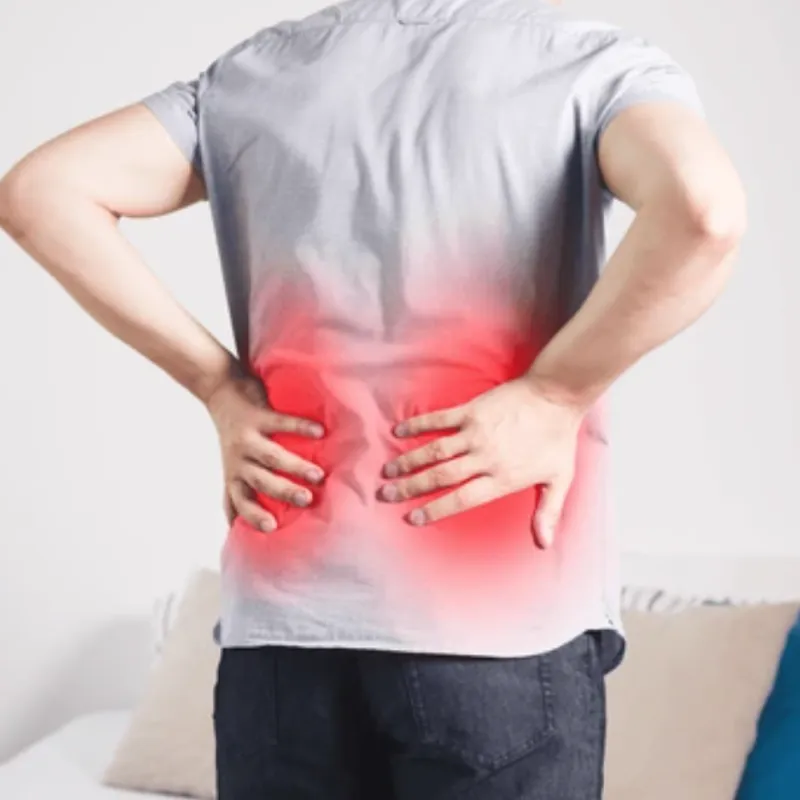
Kidney stones are no longer a condition seen only in older adults. Due to changing lifestyles and dietary habits, an increasing number of young individuals, including those below 20 years of age, are being diagnosed with this painful condition.
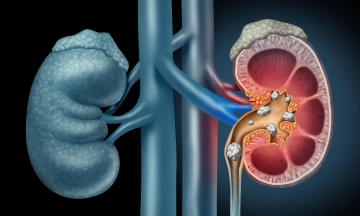
Kidney stones are hard deposits made of minerals and salts that form inside the kidneys. They develop when urine becomes concentrated, allowing substances like calcium, oxalate, and uric acid to crystallize and stick together. These stones can vary in size and may cause severe pain when they move through the urinary tract.
Several modern lifestyle habits are contributing to the rise of kidney stones among young adults:
Low Water Intake: One of the biggest reasons. Not drinking enough water leads to concentrated urine, making it easier for crystals to form.
Unhealthy Diet: Diets high in salt, processed foods, fast food, and sugary drinks increase the risk of stone formation.
High Protein Intake: Excessive consumption of animal protein can raise uric acid levels and reduce citrate, a substance that helps prevent stones.
Sedentary Lifestyle: Lack of physical activity affects metabolism and calcium balance, increasing the risk.
Frequent Consumption of Soft Drinks: Sugary and carbonated drinks, especially those containing phosphoric acid, are linked to higher stone risk.
Obesity: Being overweight can alter the chemical balance in urine, making stone formation more likely.
Kidney stones often remain silent until they begin to move within the urinary tract. Once they shift, the symptoms can become intense and noticeable.
Severe Pain: Sharp pain usually begins in the lower back or side and can spread to the abdomen or groin. It often comes in waves and may increase in intensity as the stone moves.
Burning Sensation While Urinating: You may feel a burning or stinging sensation while passing urine. This happens due to irritation in the urinary tract caused by the stone.
Frequent Urge to Urinate: There may be a constant urge to urinate, even if only a small amount comes out. This occurs because the stone irritates the lining of the urinary system.
Blood in Urine: Urine may appear pink, red, or brown due to minor bleeding caused by the stone. This happens when the stone scratches the inner lining of the urinary tract.
Nausea and Vomiting: Severe pain from kidney stones can trigger nausea and sometimes vomiting. This is due to shared nerve pathways between the kidneys and the digestive system.
Cloudy or Foul-Smelling Urine: Urine may look cloudy or have a strong, unpleasant smell. This can indicate irritation or a possible infection along with the stone.
Difficulty Passing Urine: Some people may find it hard or painful to pass urine. This can happen if the stone is partially blocking the urinary flow.
Pain That Comes and Goes: Kidney stone pain is not always constant and may come in waves. The intensity often changes depending on the movement of the stone.
Fever and Chills: In some cases, fever and chills may develop if an infection is present. This is a serious sign and requires immediate medical attention.
Certain everyday habits can silently increase the chances of developing kidney stones:
Skipping Water Throughout the Day: Long gaps without hydration concentrate urine.
Excess Salt Intake: High sodium increases calcium in urine, promoting stone formation.
High Oxalate Foods Without Balance: Foods like spinach, nuts, and chocolate can contribute if not balanced with calcium.
Overuse of Supplements: Excess vitamin C or calcium supplements may increase risk if taken unnecessarily.
Holding Urine for Long Periods: This may affect urinary health and contribute indirectly.
The good news is that kidney stones are largely preventable with simple lifestyle changes:
Stay Well Hydrated: Drink enough water to keep urine clear or light yellow. Aim for at least 2.5–3 liters daily, depending on activity level.
Reduce Salt Intake: Limit processed and packaged foods to control sodium levels.
Eat a Balanced Diet: It includes fruits, vegetables, and adequate dietary calcium.
Limit Sugary and Carbonated Drinks: Replace them with water, coconut water, or fresh juices.
Moderate Protein Intake: Avoid excessive consumption of red meat and high-protein diets.
Stay Active: Regular exercise helps maintain overall metabolic balance.
Don’t Ignore Early Symptoms: Early medical attention can prevent complications.
You should seek medical help if:
Severe Pain Occurs: It is especially if it comes suddenly and doesn’t improve.
Blood Appears in Urine: This should never be ignored.
Fever with Pain: It could indicate infection.
Repeated Episodes: Frequent stones require evaluation and prevention planning.
Kidney stones in young adults are becoming more common, largely due to lifestyle choices. The good part is that most risk factors are within your control. By staying hydrated, eating a balanced diet, and maintaining an active lifestyle, you can significantly reduce your risk. Small daily habits can make a big difference in protecting your kidney health.
1. Can young adults really get kidney stones?
Yes, kidney stones are increasingly seen in people in their 20s and 30s due to lifestyle and dietary habits.
2. How much water should I drink to prevent kidney stones?
Most people should aim for 2.5 to 3 liters per day, but needs may vary based on climate and activity.
3. Are soft drinks harmful for kidney stones?
Yes, frequent consumption of sugary and carbonated drinks can increase the risk.
4. Can gym supplements cause kidney stones?
Excessive protein or certain supplements may contribute if not taken properly.
5. Is kidney stone pain always severe?
Not always. Small stones may pass with mild discomfort, but larger ones can cause intense pain.
Dysuria, commonly known as
18 Jun 2026
Kidney stones are no
17 Jun 2026
Urology robotic surgery
10 Mar 2026
Benign Prostatic Hyperplasia (BPH), commonly
28 Feb 2025
A donor nephrectomy is a
28 Feb 2025
Robotic Pyeloplasty is an advanced,
27 Feb 2025
Partial nephrectomy is a
27 Feb 2025
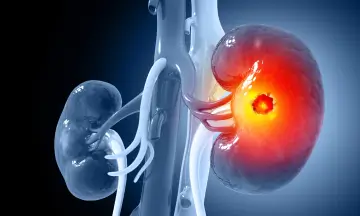
A kidney transplant is a
27 Feb 2025
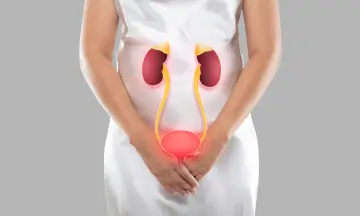
Female incontinence, or the involuntary
15 Nov 2024
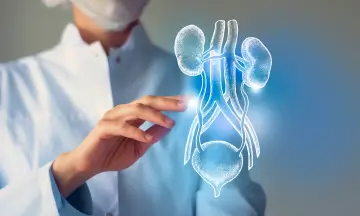
Uro cancer or more precisely
15 Nov 2024
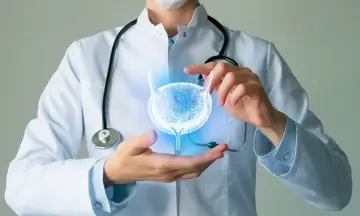
Bladder cancer is one of
15 Nov 2024
Kidney cancer or renal cancer,
15 Nov 2024
Urinary Tract Infections (UTIs) are
9 Aug 2024
Kidney stones, solid deposits of
7 Aug 2024
The field of urology has
4 Jul 2024
Prostate health is a critical
4 Jul 2024
Prostate health is a critical
1 Jul 2024
The sudden onset of excruciating
12 Feb 2024
Bladder health is often taken
2 Nov 2023
In the realm of medical
11 Sep 2023
Advancements in medical technology and
11 Sep 2023

Erectile dysfunction is a medical
9 May 2023
Renal transplantation is a medical
4 May 2023
Prostate cancer refers to a
27 Mar 2023
Imagine the misery, a 13-year-old
20 May 2021
The kidneys are parts of
5 Feb 2019
Kidney Disease is often thought
14 Mar 2017
The kidneys are bean-shaped organs,
17 Jan 2017
Enquire Now