
Home/Wellness Zone/Sakra Blogs

21st Sep, 2026

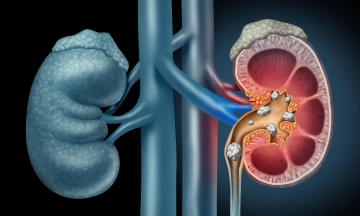
Kidney stones are a common and painful condition that occurs when minerals and salts build up in the kidneys and form hard deposits. Your diet plays a major role in their development, which is why understanding foods to avoid with kidney stones is essential.
If you’re wondering which food avoid in kidney stone or what are the worst foods for kidney stones, this guide will help you make smarter dietary choices.
Kidney stones develop when certain substances in urine become highly concentrated and start forming crystals. Over time, these crystals stick together and grow into stones.
Several factors contribute to this process:
Low water intake
When you don’t drink enough fluids, urine becomes concentrated, making it easier for minerals to crystallize and form stones.
High oxalate levels
Oxalate is a natural compound found in many foods. When it combines with calcium, it can form calcium oxalate stones.
Excess salt consumption
High sodium levels increase calcium in urine, which raises the risk of stone formation.
High animal protein intake
Diets rich in red meat, chicken, and eggs can increase uric acid levels and reduce protective citrate in urine.
Genetic and lifestyle factors
Family history, obesity, and certain medical conditions can also increase the risk.
Kidney stones may not always cause symptoms until they start moving within the kidney or pass into the urinary tract. When they do, symptoms can be quite intense.
Common symptoms include:
Severe pain in the back or side
This pain may come in waves and can spread to the lower abdomen or groin.
Burning sensation during urination
Passing a stone can cause discomfort or pain while urinating.
Frequent urge to urinate
You may feel the need to urinate more often than usual.
Blood in urine
Urine may appear pink, red, or brown due to irritation caused by the stone.
Nausea and vomiting
Pain and discomfort can trigger digestive symptoms.
Cloudy or foul-smelling urine
This may indicate infection along with kidney stones.
If symptoms are severe, medical attention is necessary.
Diet plays a direct role in stone formation. Knowing what foods to avoid with kidney stones can help reduce your risk.
Spinach and high-oxalate greens
Spinach is extremely high in oxalates, which bind with calcium and form the most common type of kidney stones. Other greens like beet leaves and Swiss chard also fall into this category.
Nuts and seeds
Almonds, peanuts, and cashews contain high levels of oxalates. Eating them in large quantities can increase the risk, especially in people prone to stones.
Chocolate
Chocolate contains oxalates and sugar, both of which can contribute to kidney stone formation when consumed excessively.
Black tea
Tea, especially black tea, is another significant source of oxalates. Drinking it frequently in large amounts can increase stone risk.
Salty and processed foods
Chips, packaged snacks, fast food, and processed meals are high in sodium. High salt intake increases calcium in urine, promoting stone formation.
Red meat and animal protein
Excessive intake of meat raises uric acid levels and reduces citrate, a substance that helps prevent stones.
Sugary drinks and sodas
Soft drinks, especially colas, contain phosphoric acid and high sugar levels, both of which increase the risk of stones.
Excess dairy products
While calcium is important, too much intake from supplements or excessive dairy may increase the risk in some individuals.
Beets and beetroot juice
Beets are rich in oxalates and can significantly increase oxalate levels in urine.
Processed junk foods
These foods are often high in sodium, unhealthy fats, and additives that can contribute to kidney stone formation over time.
Many people ask, can eggs cause kidney stones? The answer is not directly.
Eggs are low in oxalates, so they do not directly lead to stone formation. However, they are a source of animal protein. Eating too many eggs as part of a high-protein diet may increase uric acid levels and slightly raise the risk.
In moderation, eggs are generally safe.
Preventing kidney stones involves both avoiding certain foods and adopting healthy habits.
Drink plenty of water to dilute urine
Limit salt and processed foods
Reduce intake of high-oxalate foods
Maintain a balanced calcium intake
Avoid excessive sugar and soft drinks
Eat a balanced diet rich in fruits and vegetables
Kidney stones can be extremely painful, but they are often preventable with the right lifestyle changes. Understanding foods to avoid with kidney stones and making mindful dietary choices can significantly lower your risk.
If you’re unsure which food avoid in kidney stone, focus on reducing oxalate-rich foods, salt, and excess animal protein. While some foods like eggs raise concerns, they are safe when eaten in moderation.
For the best results, always follow a personalized diet plan recommended by a healthcare professional.
1. What are the worst foods for kidney stones?
Spinach, nuts, chocolate, salty processed foods, and sugary drinks are among the worst foods for kidney stones.
2. What foods to avoid with kidney stones?
Foods high in oxalates, salt, and animal protein should be limited to reduce the risk.
3. Can eggs cause kidney stones?
Eggs do not directly cause kidney stones but should be consumed in moderation as part of a balanced diet.
4. How can I prevent kidney stones naturally?
Drink plenty of water, reduce salt intake, limit high-oxalate foods, and maintain a healthy diet.
5. Are all dairy products bad for kidney stones?
No, moderate dairy intake is generally safe and can even help reduce oxalate absorption.
6. Which fruits are safe for kidney stones?
Fruits like bananas, apples, and melons are low in oxalates and are safe to consume.
7. When should I see a doctor for kidney stones?
Seek medical help if you experience severe pain, blood in urine, fever, or difficulty passing urine

Director - Renal Transplant and Uro Oncology, Urology & Andrology
Book an Appointment
The prostate is a
21 Sep 2026

Kidney stones are a
21 Sep 2026
Dysuria, commonly known as
18 Jun 2026
Kidney stones are no
17 Jun 2026

Urology robotic surgery
10 Mar 2026
Epithelial cells are specialized cells
14 Mar 2025
Benign Prostatic Hyperplasia (BPH), commonly
28 Feb 2025
A donor nephrectomy is a
28 Feb 2025
Robotic Pyeloplasty is an advanced,
27 Feb 2025
Partial nephrectomy is a
27 Feb 2025
A kidney transplant is a
27 Feb 2025
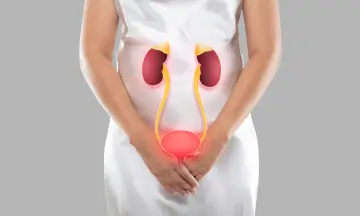
Female incontinence, or the involuntary
15 Nov 2024
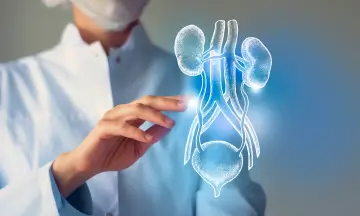
Uro cancer or more precisely
15 Nov 2024

Bladder cancer is one of
15 Nov 2024
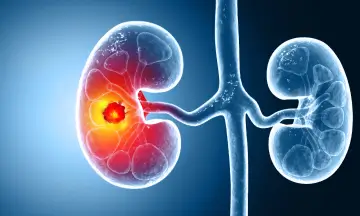
Kidney cancer or renal cancer,
15 Nov 2024
Urinary Tract Infections (UTIs) are
9 Aug 2024
Kidney stones, solid deposits of
7 Aug 2024
The field of urology has
4 Jul 2024

Prostate health is a critical
4 Jul 2024
Prostate health is a critical
1 Jul 2024
The sudden onset of excruciating
12 Feb 2024
Bladder health is often taken
2 Nov 2023
In the realm of medical
11 Sep 2023
Advancements in medical technology and
11 Sep 2023

Erectile dysfunction is a medical
9 May 2023
Renal transplantation is a medical
4 May 2023
Prostate cancer refers to a
27 Mar 2023

Imagine the misery, a 13-year-old
20 May 2021
The kidneys are parts of
5 Feb 2019
Kidney Disease is often thought
14 Mar 2017
The kidneys are bean-shaped organs,
17 Jan 2017
Enquire Now