

Home/Wellness Zone/Sakra Blogs

5th Mar, 2026
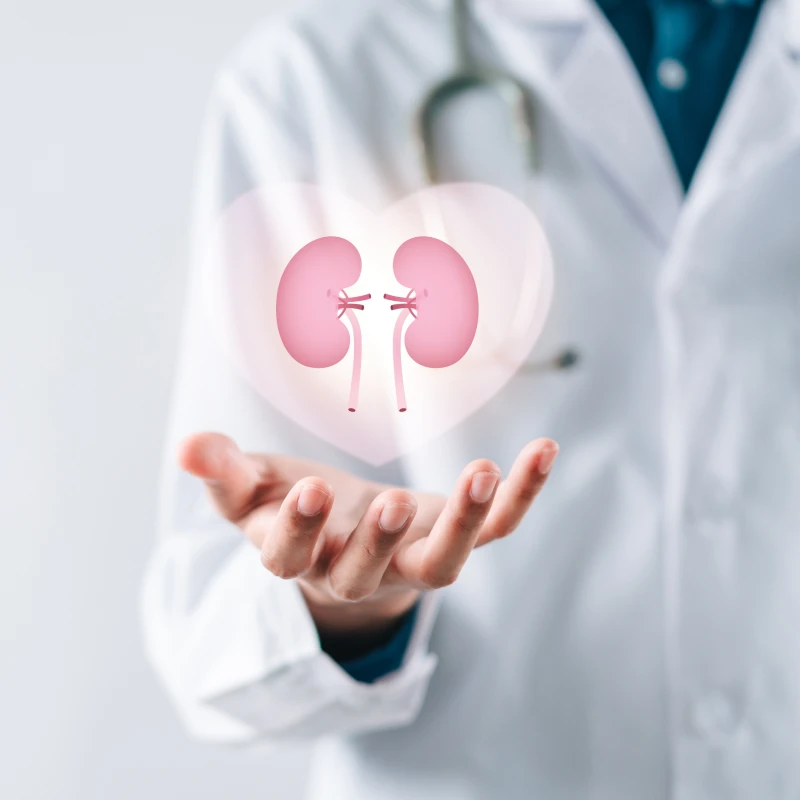
Every year, World Kidney Day reminds us to pause and think about something we rarely notice until there is a problem, our kidneys. In 2026, this global health day once again focuses on spreading awareness about kidney disease, early detection, and practical steps for prevention.
Chronic kidney disease is often silent in the early stages. By the time symptoms appear, significant damage may already have occurred. That is why awareness and timely screening are so important.
World Kidney Day is observed every year on the second Thursday of March. In 2026, it will be marked worldwide with health camps, screening drives, educational programs, and social media campaigns focused on kidney health.
The initiative is led by the International Society of Nephrology and the International Federation of Kidney Foundations. The aim is simple: reduce the impact of kidney disease by improving awareness, encouraging early testing, and promoting preventive care.
Your kidneys filter waste and excess fluid from the blood, regulate blood pressure, balance electrolytes, and help produce red blood cells. When they do not function properly, toxins build up in the body, leading to serious complications.
Chronic kidney disease can eventually progress to kidney failure, requiring dialysis or a kidney transplant. The concerning part is that many people with early kidney damage feel completely normal.
Understanding the risk factors is the first step toward prevention. The most common causes include:
Diabetes: High blood sugar levels over time damage the small blood vessels in the kidneys. If not properly controlled, diabetes can gradually reduce kidney function and lead to chronic kidney disease.
High blood pressure: Constantly elevated blood pressure puts extra strain on the kidneys. Over time, this pressure weakens the filtering units and affects their ability to remove waste effectively.
Obesity: Excess body weight increases the risk of developing diabetes and hypertension. It also directly affects kidney workload, forcing them to work harder than normal.
Heart disease: The heart and kidneys are closely connected in maintaining blood circulation. Poor heart function can reduce blood flow to the kidneys and impair their performance.
Recurrent kidney infections: Repeated infections can cause long-term damage and scarring of kidney tissue. If left untreated, this may lead to permanent loss of kidney function.
Family history of kidney disease: Genetic factors can increase susceptibility to kidney problems. Individuals with a family history should be more cautious and undergo regular screening.
Long-term use of certain painkillers: Frequent and unsupervised use of some over-the-counter pain medications can damage kidney tissues. Prolonged use may gradually reduce kidney efficiency.
In the early stages, kidney disease may not cause noticeable symptoms. As the condition progresses, people may experience:
Swelling in the legs, feet, or face: Fluid retention occurs when the kidneys cannot remove excess water properly. This swelling may be more noticeable at the end of the day.
Fatigue and weakness: Reduced kidney function can lead to anemia and toxin buildup in the body. This often causes persistent tiredness and low energy levels.
Loss of appetite: Waste accumulation in the bloodstream can affect digestion and appetite. Some people may also experience an unusual metallic taste in the mouth.
Nausea or vomiting: As toxins build up in the body, digestive discomfort may occur. These symptoms are more common in advanced stages of kidney disease.
Changes in urination pattern: This may include increased frequency, especially at night, or reduced urine output. Urine may also appear darker than usual.
Foamy or bloody urine: Foamy urine may indicate the presence of excess protein. Blood in the urine can signal underlying kidney damage or infection.
Simple tests can detect kidney problems early:
Blood test to check creatinine and estimate kidney function: This test measures how well the kidneys are filtering waste from the blood. An abnormal result may indicate reduced kidney efficiency.
Urine test to detect protein or blood: The presence of protein in urine is often one of the earliest signs of kidney damage. Early detection allows timely medical intervention.
Blood pressure monitoring: Regular monitoring helps identify hypertension, a major risk factor for kidney disease. Proper control can prevent further damage.
People with diabetes, high blood pressure, or a family history of kidney disease should undergo regular kidney function tests, even if they feel well. Early detection allows doctors to slow or even halt disease progression with medications and lifestyle changes.
Prevention does not require complicated measures. Small, consistent habits make a big difference.
Control blood sugar and blood pressure: Keep diabetes and hypertension well managed through medication, diet, and regular check-ups. Good control significantly reduces the risk of kidney damage over time.
Stay hydrated: Drink adequate water unless your doctor advises otherwise. Proper hydration helps the kidneys flush out toxins efficiently.
Follow a balanced diet: Reduce salt intake, limit processed foods, and include fresh fruits and vegetables. A healthy diet supports both kidney and heart health.
Maintain a healthy weight: Regular exercise and weight management lower the risk of diabetes and high blood pressure. Even moderate physical activity can improve overall kidney health.
Avoid unnecessary painkillers: Frequent use of certain over-the-counter pain medications can harm the kidneys over time. Always consult a doctor before long-term medication use.
Do not smoke: Smoking reduces blood flow to the kidneys and increases the risk of kidney cancer. Quitting smoking improves circulation and overall organ function.
Get regular screening if at risk: If you fall into a high-risk category, do not wait for symptoms. Early testing allows timely treatment and better outcomes.
Modern lifestyle patterns, high salt diets, sedentary habits, and increasing diabetes rates are contributing to the rise in kidney disease globally. Poor eating habits and lack of physical activity place long-term stress on both the heart and kidneys.
Awareness campaigns like World Kidney Day 2026 highlight the need to shift from treatment to prevention. Workplaces, schools, and healthcare institutions can support this effort by organizing screening camps and educational programs that encourage early testing and healthier lifestyle choices.
Certain groups require extra attention:
Elderly individuals
People with long-standing diabetes or hypertension
Those with heart disease
Individuals with a family history of kidney failure
Regular medical follow-up and adherence to prescribed medications are critical for these groups.
World Kidney Day 2026 is a reminder that kidney health deserves attention long before symptoms appear. Awareness, early screening, and preventive lifestyle choices can dramatically reduce the burden of kidney disease.
Protecting your kidneys starts with simple steps: monitor your health, control chronic conditions, eat wisely, and seek timely medical advice. A small effort today can prevent major complications tomorrow.
When is World Kidney Day 2026 observed?
It is observed on the second Thursday of March 2026. The day focuses on spreading awareness about kidney health and early screening.
Can kidney disease be cured?
Chronic kidney disease usually cannot be reversed. However, early treatment can slow its progression and prevent complications.
Are kidney problems always painful?
No, most kidney diseases are silent in the early stages. Pain is more common in conditions like kidney stones or infections.
How often should high-risk individuals get tested?
High-risk individuals should get tested at least once a year. Your doctor may advise more frequent monitoring depending on your health condition.
Is drinking more water always better for the kidneys?
Moderate hydration supports kidney function. Drinking excessive water is not necessary unless specifically advised by a doctor
Every year, World Kidney Day reminds us to pause and think about something we rarely notice until there is a problem, our kidneys. In 2026, this global health day once again focuses on spreading awareness about kidney disease,
5 Mar 2026
The kidneys are parts of your body whose function is to filter and remove excess waste, minerals and fluid and regulate blood pressure. However, there are situations when your kidney is unable to perform this filtering ability and that is
5 Feb 2019

Kidney Disease is often thought to be a rare occurrence and one can really not see it coming as in most of the cases 90% of the kidney function is already lost by the time any significant symptoms appear. It
14 Mar 2017
The kidneys are bean-shaped organs, each roughly the size of a fist. They are two in number and located one on each side of the backbone deep in the abdominal cavity, beneath the rib cage. Kidneys do many functions to keep
17 Jan 2017
Enquire Now