

Home/Wellness Zone/Sakra Blogs

16th Sep, 2024
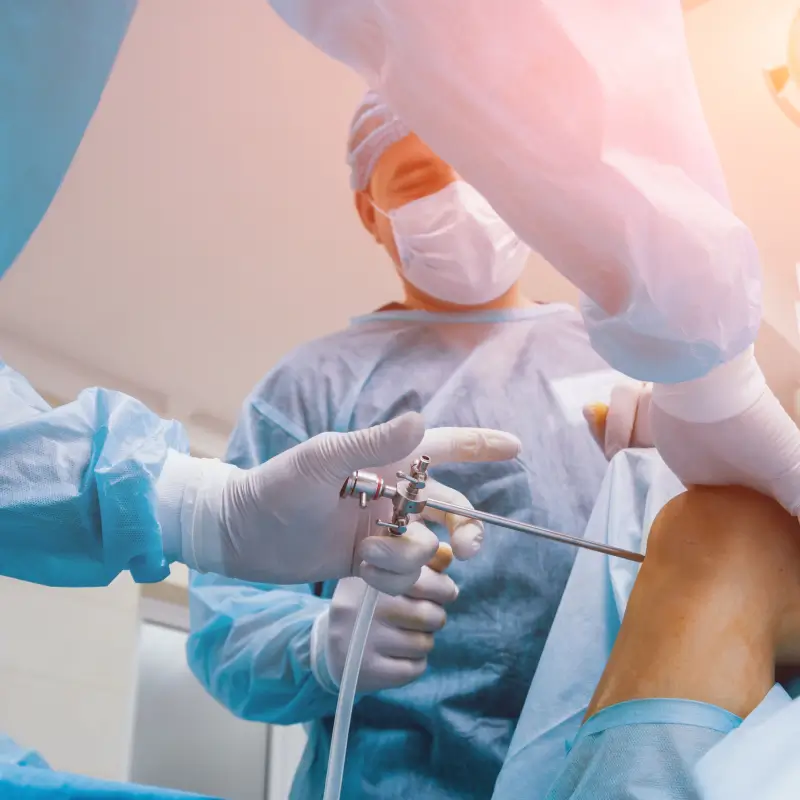
Shoulder injuries are common in over overhead sports like Badmitton , tennis , throw ball, volley ball, jawline throw base ball and cricket and also in high impact sports like hockey foot ball , judo , karate , kungfu and swimming. Even though minor injuries can be managed with conservative measures serious injuries needs surgical intervention and repair . A minimally invasive surgery or Arthroscopy plays a significant role in the diagnosis and treatment of shoulder and sports injuries.
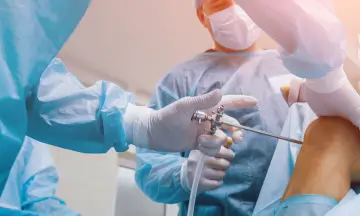
Shoulder arthroscopy is a minimally invasive procedure used to diagnose and treat problems inside the shoulder joint with high precision.
Keyhole Technique – Performed through very small incisions using a camera and specialized instruments, avoiding large surgical cuts.
Clear Visualization – Provides a magnified and detailed view of internal shoulder structures for accurate assessment.
Diagnostic and Therapeutic – Helps in both identifying the exact problem and treating it during the same procedure.
Less Tissue Damage – Causes minimal disruption to surrounding muscles, ligaments, and soft tissues.
Shoulder injuries often occur due to repetitive overhead movements or direct trauma during sports.
Rotator Cuff Tears – Damage to tendons that help lift and rotate the arm, often causing pain and weakness.
Shoulder Dislocation – Occurs when the upper arm bone slips out of the shoulder socket, leading to instability.
Labral Tears (SLAP Lesions) – Injury to the cartilage ring that stabilizes the shoulder joint, often seen in athletes.
Shoulder Impingement – Compression of tendons during movement, leading to pain and restricted motion.
AC Joint Injuries – Damage to the joint at the top of the shoulder, commonly seen in contact sports falls.
Symptoms may vary depending on the type and severity of injury but usually affect movement and comfort.
Shoulder Pain – Continuous or movement-related pain that may worsen during sports or lifting.
Limited Range of Motion – Difficulty in lifting the arm or performing overhead activities.
Weakness – Reduced strength in the shoulder, making daily tasks or sports difficult.
Swelling or Tenderness – Inflammation or soreness around the joint area.
Clicking or Instability – Sensation of the shoulder slipping, popping, or feeling unstable.
Surgery is recommended when conservative treatments like rest, medication, or physiotherapy are not effective.
Severe Structural Damage – Such as complete tendon tears or repeated dislocations.
Persistent Pain – Ongoing pain that does not improve with non-surgical treatment.
Loss of Function – Difficulty performing daily activities or returning to sports.
Failed Conservative Care – When physiotherapy and medications do not provide relief.
Arthroscopic surgery is performed using advanced technology to treat shoulder problems with precision.
Small Incisions – Tiny cuts are made around the shoulder to insert instruments and a camera.
Insertion of Arthroscope – A small camera provides a clear view of the joint inside the shoulder.
Specialized Instruments – Fine surgical tools are used to repair or remove damaged tissues.
Targeted Treatment – Only the affected area is treated, preserving healthy surrounding structures.
Recovery is generally smoother and faster compared to traditional open surgery.
Short Hospital Stay – Most patients can go home the same day or within 24 hours.
Less Pain – Minimal tissue damage results in reduced post-operative discomfort.
Physiotherapy Support – Guided exercises help restore movement, strength, and flexibility.
Gradual Return to Activity – Patients slowly resume daily tasks and sports over a few weeks.
Although generally safe, arthroscopy may carry some minor risks in rare cases.
Infection – Mild infection at incision sites, usually manageable with medication.
Stiffness – Temporary restriction in shoulder movement after surgery.
Swelling or Bleeding – Mild swelling that typically resolves with time.
Nerve or Tissue Injury – Rare complications depending on injury complexity.
Preventive care plays an important role in reducing the risk of shoulder injuries.
Proper Warm-Up – Prepares muscles and joints for physical activity and reduces injury risk.
Strength Training – Improves shoulder stability and helps prevent strain during sports.
Correct Technique – Using proper form during sports reduces unnecessary stress on the shoulder.
Adequate Rest – Prevents overuse injuries by allowing proper muscle recovery.
Protective Equipment – Helps reduce impact during contact or high-intensity sports.
Early consultation can help prevent worsening of shoulder injuries and improve recovery outcomes.
Persistent Shoulder Pain – Pain lasting more than a few days or worsening over time.
Restricted Movement – Difficulty lifting the arm or performing normal activities.
Recurrent Injuries – Repeated dislocations or instability in the shoulder.
Post-Injury Symptoms – Swelling, weakness, or visible deformity after trauma.
Shoulder arthroscopy is a highly effective and minimally invasive technique for diagnosing and treating sports-related shoulder injuries. With early diagnosis, proper surgical care, and structured rehabilitation, most patients can achieve full recovery and return to their normal lifestyle, including sports activities.
1. What is shoulder arthroscopy surgery?
Shoulder arthroscopy is a minimally invasive procedure where a small camera (arthroscope) is inserted into the shoulder joint to diagnose and treat problems.
2. How does minimally invasive surgery help in shoulder injuries?
It uses small incisions, causing less tissue damage, reduced pain, faster healing, and quicker return to daily activities.
3. What types of shoulder injuries require surgery?
Injuries like rotator cuff tears, ligament damage, recurrent dislocation, labral tears, and severe impingement may need surgery.
4. How is arthroscopic shoulder surgery performed?
The surgeon makes small cuts, inserts a camera and instruments, and repairs or removes damaged tissues inside the joint.
5. What conditions can be treated with shoulder arthroscopy?
It can treat rotator cuff injuries, frozen shoulder, shoulder instability, bursitis, and bone spurs.
6. Who is a good candidate for shoulder arthroscopy?
Patients with persistent pain, limited movement, or injuries not improving with medication or physiotherapy may be suitable.
7. Is arthroscopic shoulder surgery safe?
Yes, it is generally safe with a low risk of complications when performed by an experienced surgeon.
8. How long does recovery take after shoulder arthroscopy?
Recovery usually takes a few weeks to a few months, depending on the severity of the injury and rehabilitation.

Shoulder pain often becomes
8 Jun 2026
Frozen shoulder, medically known
8 Jun 2026

A dislocated shoulder happens
11 Mar 2026

Back pain is one
13 Oct 2025
Scoliosis is a spinal condition
19 May 2025
Scoliosis is a condition where
19 May 2025
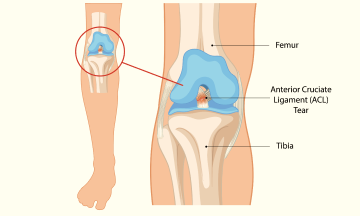
Ligament injuries, especially to the
19 Feb 2025
Knee replacement surgery has come
17 Feb 2025
Knee ligament injuries are common
17 Feb 2025
Maintaining good posture while working
13 Nov 2024

Shoulder pain is a common
13 Nov 2024
Shoulder injuries are common in
16 Sep 2024
Shoulder arthroplasty, also known as
16 Sep 2024
A hairline fracture, also known
23 Jul 2024
A rotator cuff is a
20 Apr 2023
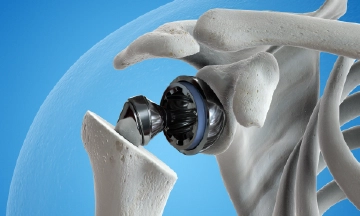
Shoulder replacement surgery, also known
15 Mar 2023
Bengaluru, December 13, 2020:Sakra World
7 Jun 2021
Importance of Knee Joint The knee
6 Nov 2020
There are a subset of
6 Nov 2020
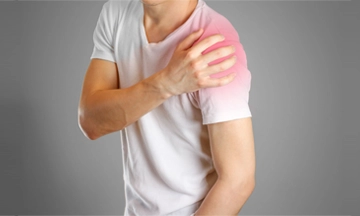
Question: I haven’t been injured
24 Jan 2020
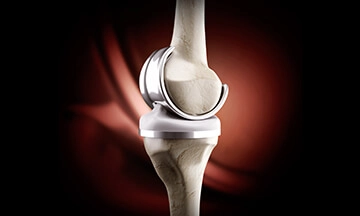
Medically known as adhesive capsulitis,
23 Dec 2019

Medically known as adhesive capsulitis,
23 Dec 2019
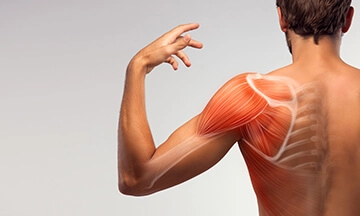
Living in pain can be
23 Dec 2019

Overview of treatment options for
23 Dec 2019
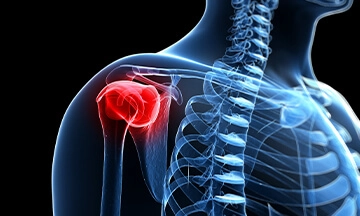
There are a variety of
23 Dec 2019

If you've been around athletes,
23 Dec 2019
Simple activities like brushing hair
23 Dec 2019

The shoulder consists of several
23 Dec 2019
The group of muscles &
23 Dec 2019
What is Meniscal transplant surgery? Replacing
2 Jan 2019
Sakra World Hospital introduces Computer
6 Sep 2016
Total Knee Replacement
20 Jul 2016
The shoulder is a complex
8 Mar 2016
Shoulder joint complex is a
6 Feb 2015
Enquire Now