

Home/Wellness Zone/Sakra Blogs

11th Mar, 2026

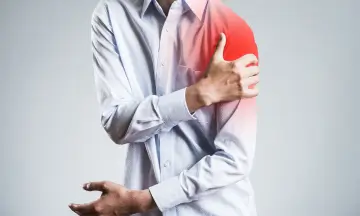
A dislocated shoulder happens when the upper arm bone comes out of the shoulder socket. Because the shoulder is one of the most mobile joints in the body, it is also one of the easiest to dislocate. A shoulder joint dislocation can be painful and limiting, but with timely care, most people recover well.
Knowing the dislocated shoulder symptoms, causes of shoulder dislocation, and shoulder dislocation treatment helps you act quickly and avoid complications.
A shoulder joint dislocation occurs when the ball-shaped head of the upper arm bone slips out of its socket in the shoulder blade. This can happen partially or completely.
Partial dislocation (subluxation): The bone is partly out of place but still touching the socket.
Complete dislocation: The bone is fully out of the socket and usually needs medical help to be put back.
A shoulder can dislocate when a strong force or repeated strain affects the joint. Common causes include:
Sports Injuries: Contact sports like football, basketball, wrestling, or cricket increase the risk because of collisions, sudden turns, and falls.
Falls: Falling on an outstretched arm or directly on the shoulder can push the joint out of position. This is common in both athletes and older adults.
Road Traffic Accidents: High-impact accidents can force the shoulder out of place and may also damage nearby muscles, ligaments, or bones.
Weak Muscles or Ligaments: If the muscles and ligaments around the shoulder are weak or loose, the joint is less stable and more likely to dislocate.
Previous Dislocation: Once the shoulder has dislocated before, the tissues become stretched, making future dislocations easier.
Symptoms usually start immediately after the injury and are hard to ignore. Watch for:
Severe Pain: Sudden and strong pain, especially when trying to move the arm.
Visible Deformity: The shoulder may look uneven, dropped, or out of shape.
Swelling and Bruising: The area around the shoulder can swell and show bruises.
Restricted Movement: You may not be able to lift or rotate your arm normally.
Numbness or Tingling: Some people feel tingling or numbness in the arm or fingers due to nerve pressure.
Muscle Spasms: The muscles around the shoulder may tighten as a protective response.
Doctors confirm a shoulder dislocation through examination and imaging tests. This often includes:
Physical Examination: The doctor checks the shape of the shoulder, pain level, and ability to move.
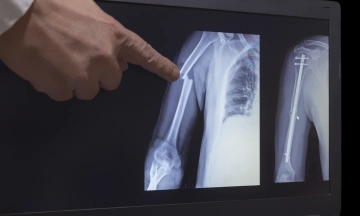
X-rays: These confirm the dislocation and check for broken bones.
MRI or CT Scan: These scans may be used to look for ligament, tendon, or cartilage injuries.
Treatment focuses on putting the bone back safely and restoring shoulder strength. Options include:
Closed Reduction: A doctor gently moves the bone back into the socket. This is usually done with pain relief or mild sedation.
Immobilization: A sling is worn for a few weeks to keep the shoulder stable while it heals.
Medications: Pain relievers and anti-inflammatory medicines help reduce discomfort and swelling.
Physiotherapy: Exercises are started gradually to improve strength, flexibility, and stability.
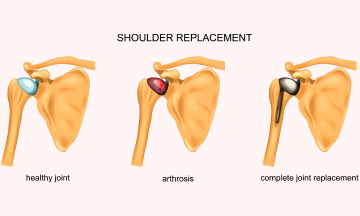
Surgery: Surgery may be needed if dislocations happen repeatedly or if there is major damage to ligaments or bones.
Recovery depends on how serious the injury is, your age, and how well you follow rehabilitation.
Mild Cases: Minor dislocations may recover in about 2 to 4 weeks. Pain reduces early, but strengthening should continue.
Moderate Injuries: Many people need 6 to 12 weeks for proper healing. Physiotherapy is very important during this time to avoid stiffness and weakness.
After Surgery: Surgical recovery can take 3 to 6 months or more. It includes structured rehab, gradual return to activity, and regular follow-ups.
Even if the pain goes away early, the shoulder may still be weak. Returning to sports or heavy work too soon can cause another dislocation. Full rehab is key for safe recovery.
Common complications of a shoulder dislocation involve injury to the structures around the shoulder joint. These may include:
Fractures in the nearby bones
Sprains affecting ligaments or tendons
Injury to the surrounding nerves
Damage to blood vessels around the shoulder
Strain or tearing of the shoulder muscles
Simple steps can lower your risk of another dislocation. Helpful measures include:
Muscle Strengthening: Strong rotator cuff and shoulder muscles give better joint support.
Proper Warm-Up: Warming up before exercise helps prepare the muscles and reduces the risk of injury.
Correct Sports Technique: Using the right form reduces stress on the shoulder.
Protective Gear: Guards or braces can help during high-risk sports.
Regular Physiotherapy: Continuing exercises after a dislocation keeps the joint stable.
Get medical help quickly if you notice:
Shoulder Deformity: A shoulder that looks out of place.
Severe Pain: Pain that is intense or not improving.
Limited Movement: Trouble moving the arm.
Numbness: Tingling or loss of feeling in the arm or hand.
Injury After Trauma: Any shoulder injury after a fall, sports hit, or accident.
A dislocated shoulder is painful but treatable. Early care, proper shoulder dislocation treatment, and guided rehabilitation make a big difference. Recognizing dislocated shoulder symptoms and understanding the causes of shoulder dislocation can help you recover faster and reduce the risk of it happening again.
How do I know if my shoulder is dislocated or just sprained?
A dislocated shoulder often looks deformed and is very painful to move. A sprain causes pain but usually no visible change in shape. An X-ray confirms the diagnosis.
Can a dislocated shoulder go back in on its own?
Sometimes it may slip back, but you should still see a doctor to check for internal damage.
Is it safe to pop a shoulder back yourself?
No. Trying to fix it yourself can damage nerves, blood vessels, or tissues.
Will my shoulder be normal after a dislocation?
Most people regain normal function with proper treatment and physiotherapy.
Can a dislocated shoulder happen again?
Yes. The risk is higher if rehab is skipped or if you return to sports too early

Shoulder pain often becomes more noticeable at night because the body stays in one position for a long time. Poor posture while sleeping can increase pressure on the shoulder joint and also affect the neck. Choosing the right sleeping
8 Jun 2026
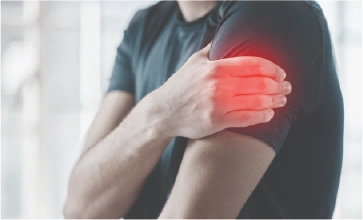
Frozen shoulder, medically known as adhesive capsulitis, is a condition that causes pain, stiffness, and gradual loss of movement in the shoulder joint. It develops slowly over time and can significantly affect daily activities such as lifting the arm,
8 Jun 2026

A dislocated shoulder happens when the upper arm bone comes out of the shoulder socket. Because the shoulder is one of the most mobile joints in the body, it is also one of the easiest to dislocate. A shoulder
11 Mar 2026
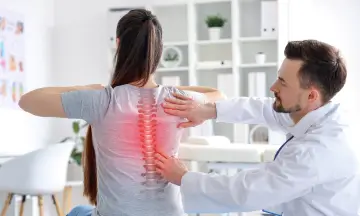
Back pain is one of the most common health issues affecting people across all age groups. It can feel like a dull ache, a sharp stab, or a persistent stiffness that limits your movement. Lower back pain is especially
13 Oct 2025
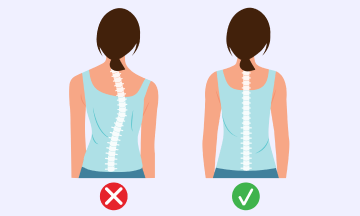
Scoliosis is a spinal condition that causes an abnormal sideways curvature of the spine. It can lead to discomfort, muscle imbalances, reduced mobility, and sometimes visible postural changes. While medical treatment and monitoring by professionals are essential, especially for moderate
19 May 2025
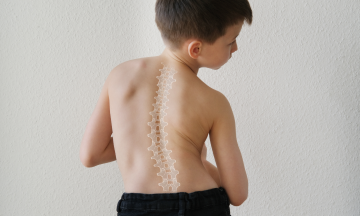
Scoliosis is a condition where the spine curves sideways, often resembling an “S” or “C” shape when viewed from behind. While mild scoliosis may not cause major problems, undiagnosed or untreated scoliosis can lead to chronic pain, posture issues, and
19 May 2025
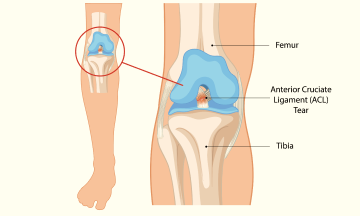
Ligament injuries, especially to the ACL, can be debilitating, often requiring surgical intervention. While traditional reconstruction methods use autografts or allografts, synthetic ligaments are emerging as a promising alternative. These advanced materials offer new possibilities for faster recovery and long-term
19 Feb 2025
Knee replacement surgery has come a long way over the past few decades, with advancements in technology significantly improving patient outcomes. One of the most groundbreaking innovations in recent years is the use of active robotics in knee replacement procedures.
17 Feb 2025
Knee ligament injuries are common among athletes and active individuals. The knee has four major ligaments: the anterior cruciate ligament (ACL), posterior cruciate ligament (PCL), medial collateral ligament (MCL), and lateral collateral ligament (LCL). These ligaments provide stability to the
17 Feb 2025
Maintaining good posture while working at a desk is essential for preventing neck, back, and shoulder pain. Spending hours hunched over a desk or slumping in a chair can lead to poor posture habits, which may eventually cause discomfort and
13 Nov 2024
Shoulder pain is a common issue affecting people of all ages. Our shoulders play a critical role in nearly every daily activity, from lifting objects to reaching overhead. However, due to their flexibility and frequent use, shoulders are vulnerable to
13 Nov 2024
Shoulder injuries are common in over overhead sports like Badmitton , tennis , throw ball, volley ball, jawline throw base ball and cricket and also in high impact sports like hockey foot ball , judo , karate , kungfu and
16 Sep 2024
Shoulder arthroplasty, also known as shoulder replacement surgery, is a procedure where a damaged or arthritic shoulder joint is replaced with an artificial joint made of metal and plastic components. The goal is to alleviate pain, restore mobility, and improve
16 Sep 2024
A hairline fracture, also known as a stress fracture, is a tiny crack in a bone that often results from repetitive force or overuse. Unlike acute fractures caused by sudden trauma, hairline fractures develop gradually over time, making them sometimes
23 Jul 2024
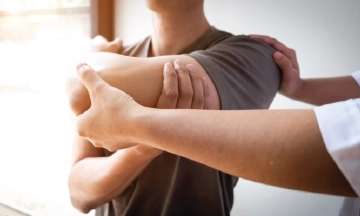
A rotator cuff is a group of muscles and tendons that attach the shoulder blade to the upper arm bone and help to stabilize the shoulder joint. A rotator cuff tear is a common injury that occurs when one or
20 Apr 2023
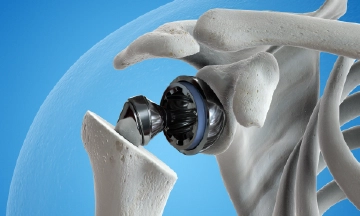
Shoulder replacement surgery, also known as shoulder arthroplasty, is a surgical procedure to replace the damaged parts of the shoulder joint with artificial components, typically made of metal, plastic, or ceramic. The shoulder joint is a ball-and-socket joint, where the
15 Mar 2023
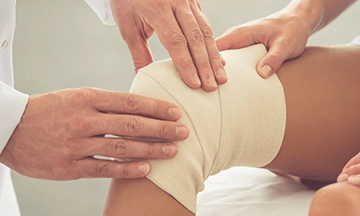
Bengaluru, December 13, 2020:Sakra World Hospital is one of the leading healthcare providers in Bengaluru and India’s first FDI hospital to bring the country's one of its kind healthcare breakthrough - CUVIS Joint. It is an advanced robotic knee replacement
7 Jun 2021
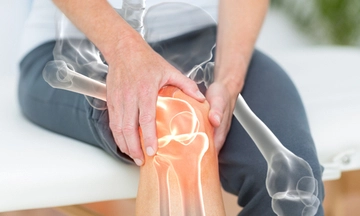
Importance of the Knee Joint The knee is one of the important joints in the body because it carries the weight of the human being but is also important for sporting activities. So in the knee, there are structures like meniscus
6 Nov 2020
There are a subset of patients suffering from arthritis pain and also suffering from ligamentous meniscal injuries, who have to put the surgeries forward due to the COVID. There are a lot of people who are suffering from immense pain, they
6 Nov 2020
Question: I haven’t been injured but I have shoulder pain when I raise my arm overhead. What could it be? This is one of the most common questions I come across in my clinical practice. The most common cause of the
24 Jan 2020
Medically known as adhesive capsulitis, frozen shoulder is a condition that severely limits your motions as the tissues in the shoulder joints become thicker with time & develop scar tissue. Frozen Shoulder Symptoms: Main Signs and Symptoms of Frozen Shoulder 1. Stiffness
23 Dec 2019

Medically known as adhesive capsulitis, frozen shoulder is a condition that severely limits your motions as the tissues in the shoulder joints become thicker with time & develop scar tissue. Frozen Shoulder Symptoms: Main Signs and Symptoms of Frozen Shoulder 1. Stiffness
23 Dec 2019
Living in pain can be excessively tolling not just on a person but also those around them. It ruins the spirit of life & puts a dark cloud over you. As much as it is advised to stay fit as
23 Dec 2019

Overview of treatment options for Shoulder Impingement Also known as Subacromial Impingement Painful Arc Syndrome or Rotator Cuff Tendinitis Shoulder Impingement is one of the most common causes of shoulder pain caused due to repetitive compression or "impingement" of rotator cuff
23 Dec 2019
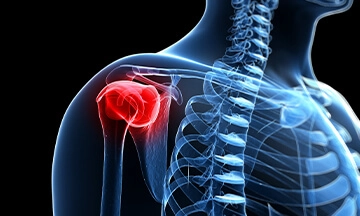
There are a variety of ways you can injure your rotator cuff; from a fall or accident heavy lifting or swinging motion or deterioration of the muscle & ligament from ageing. In case of a complete tear in the rotator
23 Dec 2019

If you've been around athletes, you may have heard them grumbling about a torn rotator cuff or constant shoulder pain. What does this really mean? The rotator cuff is a collection of four muscles & tendons around the shoulder joint.
23 Dec 2019
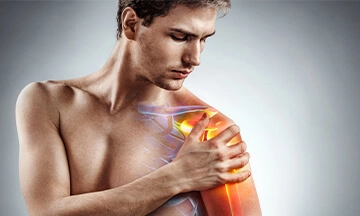
Simple activities like brushing hair or reaching for the shelf causing you severe shoulder pain? Unable to explain the pain in your shoulder? As age increases, our shoulders become more vulnerable to pain & injury. Sometimes shoulder pain is an indication
23 Dec 2019

The shoulder consists of several tendons, ligaments, & muscles making it flexible & giving it the strength to perform manoeuvres ranging from writing to lifting weights. Unfortunately, since the shoulder muscles are used regularly for all activities, shoulder pain is
23 Dec 2019
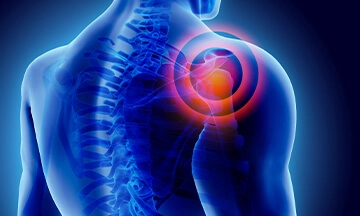
The group of muscles & tendons that surrounds the human shoulder joint & helps with the rotation of the arm is known as the rotator cuff. Most common injuries to the rotator cuff are due to repeated overhead movement of
23 Dec 2019
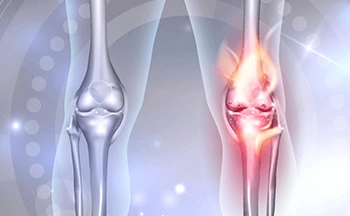
What is Meniscal transplant surgery? Replacing the missing or damaged meniscus with a meniscus from a cadaver donor or live amputee donor is called Meniscal transplant surgery. The surgery happens under anesthesia (General or Spinal or Epidural depending upon the patient’s
2 Jan 2019
Sakra World Hospital introduces Computer Navigated Partial Knee Replacement Surgery Only 7 Computer Navigated Partial Knee Replacement Surgeries have been performed till date in India and Sakra World Hospital is the first in South India and the only hospital other than
6 Sep 2016
Total Knee Replacement (TKR) surgery has today become a commonly performed and highly successful surgical procedure. Recent innovations have resulted in further improvement in early and long-term surgical outcomes. New implant designs provide greater and more normal range
20 Jul 2016
The shoulder is a complex ball and socket joint that is able to move in many directions. With this great mobility comes a lack of stability. This lack of stability in the shoulder makes it susceptible to injury and pain.
8 Mar 2016
Shoulder joint complex is a combination of several joints that combine with tendons and muscles to allow a wide range of motion in the arm — from scratching your back to throwing a jawline. Any problem in the shoulder joint
6 Feb 2015
Enquire Now