
Home/Wellness Zone/Sakra Blogs

16th Jun, 2026
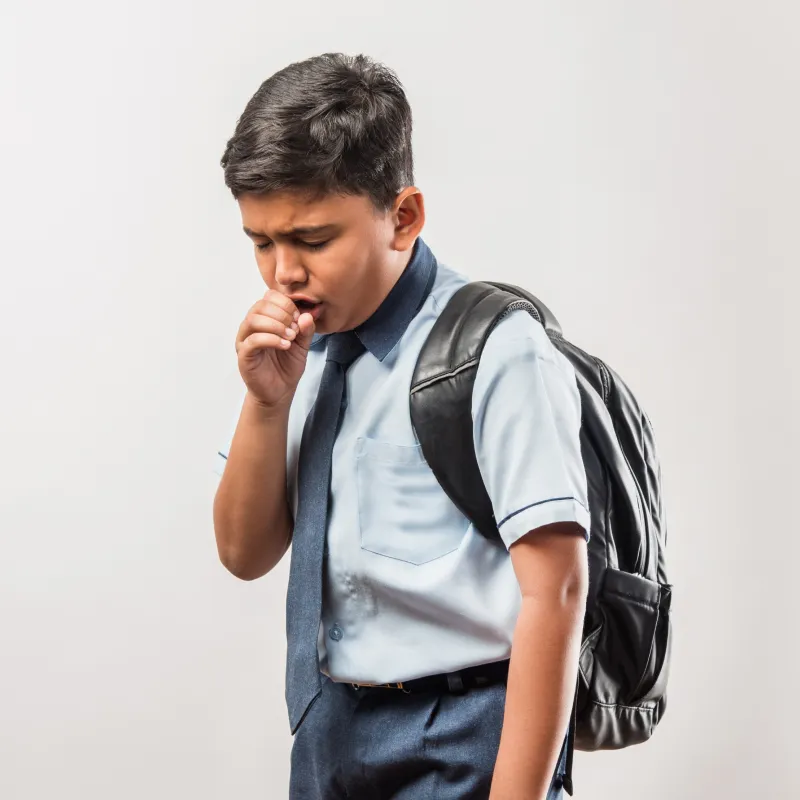
Asthma in children is a common long-term condition that affects the airways and makes breathing difficult. In pediatric asthma, the airways become inflamed, narrow, and produce extra mucus, which leads to recurring breathing problems. With the right care and awareness, most children with asthma can live normal, active lives.
Asthma in kids occurs when the lungs overreact to certain triggers such as allergens, infections, or environmental factors. This reaction causes swelling and tightening of the airways, making it harder for air to flow in and out smoothly.
Recognizing asthma symptoms in children early is important to prevent severe attacks. Common asthma symptoms in kids include:
Frequent Coughing: Persistent coughing, especially at night or early morning, is a common sign. It may worsen after physical activity or exposure to cold air.
Wheezing: A whistling or squeaky sound while breathing, mainly during exhalation. It often becomes more noticeable during an asthma flare-up.
Shortness of Breath: Children may feel breathless even with mild activity. They might avoid playing or running due to difficulty breathing.
Chest Tightness or Pain: Kids may complain of pressure or discomfort in the chest. Younger children may express this as uneasiness or crying.
Fatigue and Low Energy: Reduced oxygen flow can make children feel tired quickly. This can affect their school performance and daily activities.
Rapid Breathing: Faster-than-normal breathing, especially during an episode. It may be accompanied by visible chest movement.
Asthma Symptoms in Babies: Infants may show signs like wheezing, fast breathing, poor feeding, irritability, and frequent respiratory infections.
The exact cause of pediatric asthma is not always clear, but several contributing factors include:
Allergies: Exposure to dust mites, pollen, mold, or pet dander can trigger asthma symptoms. Allergic children are more prone to airway inflammation.
Respiratory Infections: Viral infections like colds can worsen symptoms or trigger asthma attacks. This is one of the most common causes in younger children.
Genetic Factors: A family history of asthma, eczema, or allergies increases the risk. Children may inherit sensitive airways.
Air Pollution: Exposure to smoke, traffic pollution, and indoor irritants can aggravate symptoms. Poor air quality plays a major role in asthma in children.
Weather Changes: Cold air, humidity, or sudden climate changes can trigger breathing issues.
Exercise-Induced Asthma: Physical activity can sometimes lead to wheezing or breathlessness in affected children.
Childhood asthma treatment focuses on long-term control and quick relief during attacks:
Inhalers: These are the most effective way to deliver medicine directly to the lungs. Reliever inhalers provide quick relief, while controller inhalers reduce inflammation over time.
Spacer Devices: Used along with inhalers, especially for children, to ensure proper delivery of medication.
Nebulizers: Convert liquid medicine into a fine mist, making it easier for younger children to inhale.
Medications: Anti-inflammatory drugs and bronchodilators help keep airways open and reduce swelling.
Trigger Management: Identifying and avoiding triggers like dust or smoke is crucial in preventing flare-ups.
Regular Monitoring: Keeping track of symptoms helps adjust treatment as needed.
If asthma in kids is not managed properly, it can lead to:
Frequent Asthma Attacks: Repeated flare-ups can become severe and require emergency care.
Sleep Disturbances: Night-time symptoms can interrupt sleep, leading to fatigue.
Reduced Physical Activity: Children may avoid sports or play due to breathing difficulties.
Hospital Visits: Severe asthma episodes may require hospitalization.
Long-Term Lung Issues: Poorly controlled asthma can affect lung development over time.
Emotional Impact: Anxiety, fear, or frustration due to breathing problems can affect mental well-being.
Although asthma cannot always be prevented, symptoms can be effectively controlled:
Maintain a Clean Environment: Regular cleaning helps reduce dust, allergens, and irritants.
Avoid Smoke Exposure: Keep children away from cigarette smoke and polluted environments.
Follow Medication Routine: Consistent use of prescribed medicines helps prevent flare-ups.
Identify Triggers: Keep a record of what worsens symptoms and avoid those factors.
Encourage Healthy Lifestyle: A nutritious diet and regular physical activity support overall health.
Vaccinations: Timely vaccinations can help prevent respiratory infections that trigger asthma.
Seek medical attention if:
The child has frequent coughing, wheezing, or breathlessness
Symptoms worsen at night or interfere with daily activities
The child is not responding to usual medications
There are repeated asthma attacks
The child shows severe symptoms like difficulty speaking, bluish lips, or extreme breathing distress
Asthma in children is a manageable condition when identified early and treated properly. Understanding asthma symptoms in children, avoiding triggers, and following the right childhood asthma treatment plan can significantly improve a child’s quality of life. With consistent care and support, children with asthma can stay active, healthy, and confident.
1. Can asthma in children be cured?
Asthma cannot be completely cured, but it can be well managed with proper treatment and lifestyle changes.
2. What triggers asthma in kids?
Common triggers include dust, pollen, smoke, infections, cold air, and physical activity.
3. Is exercise safe for children with asthma?
Yes, with proper control and medication, children can safely participate in physical activities.
4. How is pediatric asthma diagnosed?
Doctors diagnose asthma based on symptoms, medical history, and sometimes lung function tests.
5. Are inhalers safe for children?
Yes, inhalers are safe and are the most effective way to deliver asthma medication when used correctly.
Asthma in children is
16 Jun 2026

Vitamin D deficiency in
16 Jun 2026

Childhood obesity is a
16 Jun 2026
Congenital heart disease (CHD) refers
21 Jan 2025
Dilated Cardiomyopathy (DCM) is a
21 Jan 2025
Patent Ductus Arteriosus (PDA) is
23 Jan 2025

Spinal cord surgery is a
23 Jan 2025
Human metapneumovirus (HMPV) is a
1 Jan 2025
Winter weather is conducive to
12 Dec 2023
The school contains a complicated
28 Nov 2023
Kawasaki Disease is a condition
22 Feb 2023
Did you know that Michael
23 Jul 2020

Can Oral Health Have an
29 Jan 2018

A newborn baby is a
12 Oct 2016
Enquire Now