
Home/Wellness Zone/Sakra Blogs

17th Dec, 2025

Allergies are widespread and can affect people of all ages, yet many are unclear about what is allergy and how it impacts the body. They occur when the immune system overreacts to harmless substances, causing reactions that range from mild discomfort, like sneezing and itchy eyes, to serious, potentially life-threatening conditions such as anaphylaxis, which requires immediate medical attention.
An allergy is the body’s immune system reacting to a substance that is usually harmless to most people. These substances, known as allergens, can trigger the immune system to produce antibodies, leading to reactions such as itching, swelling, or difficulty breathing.
In simple terms, an allergy is the immune system overreacting to something it mistakenly considers dangerous.
Allergies can affect various parts of the body and are classified into different types based on the triggering substance or reaction. Some common allergy types include:
1. Dust Mite Allergy
2. Food Allergies
3. Seasonal Allergies (Hay Fever)
4. Drug Allergies
5. Insect Sting Allergies
6. Skin Allergies (Contact Dermatitis)
7. Pet Allergies
Allergy symptoms can vary depending on the type of allergy and the individual. Common signs include:
Understanding what causes allergies is key to managing them. Allergies are caused by the immune system overreacting to harmless substances. Some common triggers include:
Risk factors that may increase the likelihood of developing allergies include family history of allergies, asthma, eczema, or living in areas with high pollution.
While some allergies are unavoidable, certain measures can reduce exposure and manage allergy symptoms:
Allergies are the immune system’s exaggerated response to substances that are usually harmless. Knowing what is allergy, allergy types, allergy symptoms, and what causes allergies can help in managing and preventing them effectively. Consulting a healthcare professional for proper diagnosis and treatment is essential.
1. Can allergies develop at any age?
Yes, allergies can develop at any age, though some, like food allergies, are more common in children.
2. Are allergies hereditary?
Family history plays a role. If one or both parents have allergies, there’s a higher chance that children may develop them.
3. Can allergies go away on their own?
Some allergies, especially in children, may lessen over time, but others, may persist lifelong.
4. How are allergies diagnosed?
Allergies are diagnosed through medical history, physical examination, skin prick tests, or blood tests measuring specific antibodies.
5. Is there a permanent cure for allergies?
Most allergies cannot be cured completely, but treatments like antihistamines or avoiding triggers can manage allergy symptoms effectively.
If the allergen is specific can consider immunotherapy to desensitise.

Consultant – Ear, Nose & Throat (ENT), Allergologist, and Vertigo Specialist
Book an Appointment
When periods become irregular, most people think of stress, PCOS, or dietary changes. While these are common causes, there can be less obvious factors at play. One surprising contributor could be something as simple as a persistently blocked nose.
3 Jul 2026

Snoring might seem like a harmless nuisance at first, but over time it can disturb your sleep, affect your partner, and even point to deeper health concerns like obstructive sleep apnea (OSA). While many people blame the throat, the
3 Jul 2026

Food allergies are becoming more common, and many people struggle to understand why certain foods trigger reactions while others don’t. A food allergy happens when the immune system reacts strongly to specific foods, thinking they are harmful. This can
17 Dec 2025

Vertigo is a condition that makes you feel as if you or your surroundings are spinning. It can affect balance, concentration and daily activities. Many people look for safe options to manage vertigo at home, especially when episodes are
17 Dec 2025

What Is Vertigo? Vertigo is a sensation that makes you feel like the world around you is spinning, or you are moving when you are actually still. It isn’t a disease by itself, but a symptom of an underlying
17 Dec 2025

A sore throat can make speaking, swallowing, and even resting uncomfortable. Whether it's caused by a viral infection, allergies, or weather changes, relief often starts right at home. Thankfully, there are many home remedies for throat pain and throat infection
23 Apr 2025

Snoring is a common phenomenon that affects millions of people worldwide. While it is often regarded as a mere annoyance, it can sometimes signal underlying health issues that need attention. Snoring vs Sleep Apnea Snoring and sleep apnea are often used interchangeably,
18 Jun 2024
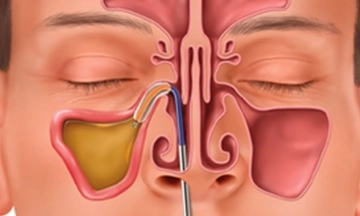
If you've ever had chronic sinusitis, you know how miserable it can be. Constant congestion, headaches, and facial pain can really affect your daily life. Traditional sinus surgery can be invasive, with long recovery times and significant discomfort. However,
18 Jun 2024

Sudden sensorineural hearing loss (SSNHL) is a condition where hearing loss occurs in one or both ears in a short period, usually within 72 hours. It can range from mild to profound and can be accompanied by tinnitus (ringing in
13 Dec 2023
Enquire Now