
Home/Wellness Zone/Sakra Blogs

16th Jun, 2026
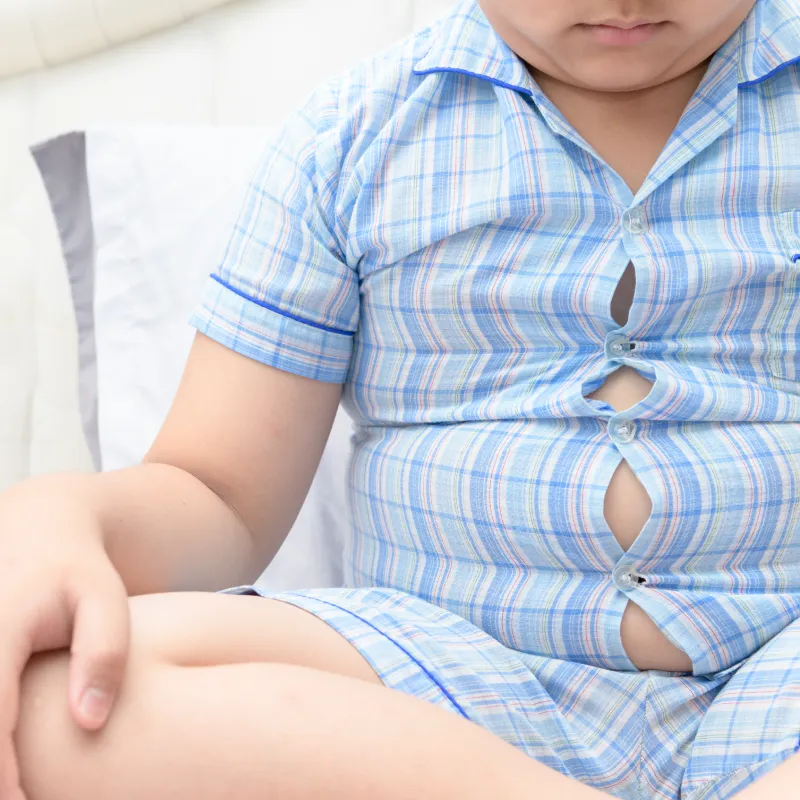
Childhood obesity is a growing health concern worldwide. It refers to excess body fat in children that can negatively affect their health and well-being. Today’s lifestyle, including poor diet habits and reduced physical activity, has led to a sharp rise in pediatric obesity, making early awareness and prevention essential.
Child obesity occurs when a child’s weight is significantly above what is considered healthy for their age and height. It is not just about appearance; it increases the risk of serious health problems both in childhood and later in life.
Recognizing childhood obesity symptoms early can help in timely intervention. Common signs and symptoms of childhood obesity include:
Excess Body Weight: A noticeable increase in weight compared to children of the same age and height. Fat accumulation is often seen around the abdomen, face, and limbs.
Breathlessness During Activity: Children may get tired quickly even with mild physical exertion. This can reduce their participation in sports and outdoor activities.
Low Energy Levels: Lack of stamina and frequent fatigue are common. This often leads to a more sedentary lifestyle, worsening the condition.
Stretch Marks and Skin Changes: Rapid weight gain can cause stretch marks on the skin. Darkened skin folds (especially around the neck) may also appear.
Emotional and Social Issues: Children may experience low self-esteem, anxiety, or social withdrawal. Bullying or teasing can further impact mental health.
Understanding the causes of childhood obesity helps in better prevention. The major causes of obesity in children include:
Unhealthy Diet: High intake of fast food, sugary drinks, and processed snacks leads to excess calorie consumption. These foods are low in nutrients but high in fats and sugars.
Lack of Physical Activity: Increased screen time and reduced outdoor play contribute significantly to child obesity. A sedentary lifestyle prevents calorie burning.
Genetic Factors: Children with overweight parents are more likely to develop obesity. Genetics can influence metabolism and fat storage.
Poor Sleep Patterns: Inadequate sleep can disrupt hormones that regulate hunger. This often leads to overeating and weight gain.
Emotional Eating: Stress, boredom, or emotional distress can cause children to eat more than needed. This habit often develops early and continues into adulthood.
Certain factors increase the likelihood of developing pediatric obesity:
Family history of obesity
High-calorie diet
Lack of structured physical activity
Excessive screen time
Psychological stress
Urban lifestyle with limited outdoor space
If not addressed early, childhood obesity can lead to serious health complications:
Type 2 Diabetes: Excess weight affects insulin function, increasing diabetes risk.
High Blood Pressure: Obesity strains the cardiovascular system.
Joint Problems: Extra weight puts pressure on bones and joints.
Breathing Issues: Conditions like sleep apnea are common.
Fatty Liver Disease: Fat buildup in the liver can lead to long-term damage.
Mental Health Issues: Anxiety, depression, and low self-confidence may develop.
Preventing child obesity requires consistent lifestyle changes:
Encourage Healthy Eating: Include fruits, vegetables, whole grains, and lean proteins in daily meals. Limit sugary snacks and junk food.
Promote Physical Activity: Ensure at least 60 minutes of daily exercise or playtime. Activities like cycling, swimming, or sports can help.
Limit Screen Time: Restrict TV, mobile, and gaming time to reduce sedentary habits.
Ensure Adequate Sleep: Maintain a proper sleep schedule to support healthy metabolism.
Family Involvement: Parents should model healthy habits, as children often imitate them.
It is important to consult a doctor if:
The child is gaining weight rapidly
There are signs of childhood obesity symptoms like fatigue or breathlessness
The child shows emotional or behavioral changes
There are associated conditions like high blood pressure or diabetes
Lifestyle changes are not improving the child’s weight
Childhood obesity is a serious but preventable condition. By understanding the causes of childhood obesity, recognizing early childhood obesity symptoms, and adopting healthy habits, parents can help their children lead healthier lives. Small, consistent changes in diet and activity can make a big difference in preventing pediatric obesity and its complications.
1. What is the main cause of childhood obesity?
The most common causes of childhood obesity are unhealthy eating habits and lack of physical activity. Genetics and lifestyle factors also play a role.
2. Can childhood obesity be reversed?
Yes, with proper diet, regular exercise, and behavioral changes, child obesity can be managed and even reversed.
3. How can parents prevent childhood obesity?
Parents can promote healthy eating, limit screen time, encourage outdoor play, and ensure proper sleep routines.
4. Is childhood obesity dangerous?
Yes, it can lead to serious health problems like diabetes, heart disease, and mental health issues if not managed early.
5. What are early childhood obesity symptoms?
Early signs and symptoms of childhood obesity include rapid weight gain, low energy, breathlessness, and visible fat accumulation

Asthma in children is
16 Jun 2026

Vitamin D deficiency in
16 Jun 2026

Childhood obesity is a
16 Jun 2026
Congenital heart disease (CHD) refers
21 Jan 2025
Dilated Cardiomyopathy (DCM) is a
21 Jan 2025
Patent Ductus Arteriosus (PDA) is
23 Jan 2025

Spinal cord surgery is a
23 Jan 2025

Human metapneumovirus (HMPV) is a
1 Jan 2025

Winter weather is conducive to
12 Dec 2023

The school contains a complicated
28 Nov 2023
Kawasaki Disease is a condition
22 Feb 2023

Did you know that Michael
23 Jul 2020

Can Oral Health Have an
29 Jan 2018

A newborn baby is a
12 Oct 2016
Enquire Now