

Home/Wellness Zone/Sakra Blogs

12th Dec, 2023
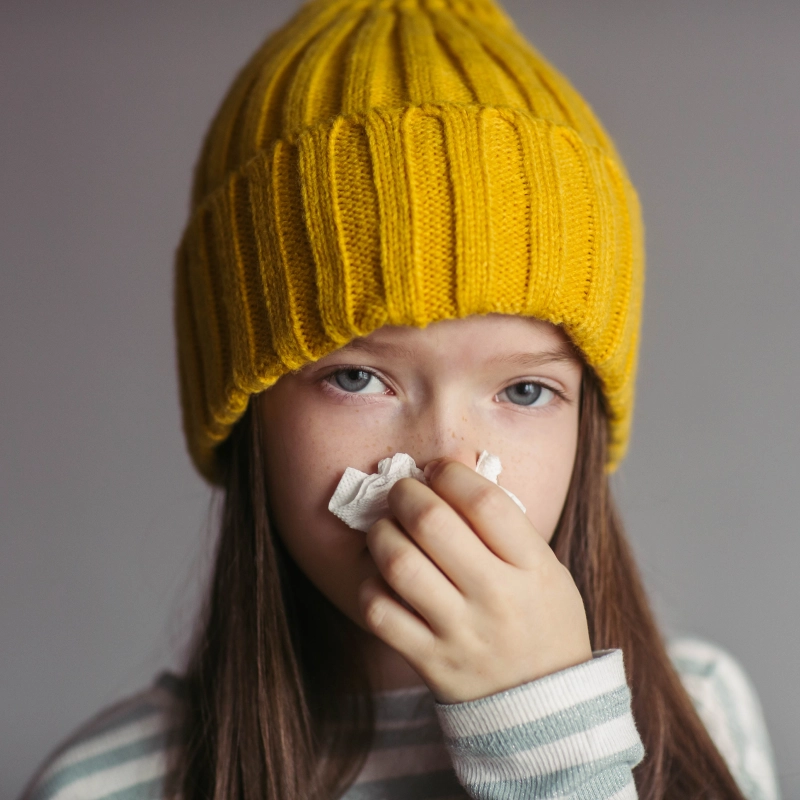
A dip in the temperature enables several viruses to thrive and new viruses to get into circulation. Most of these viruses are respiratory viruses – for example, rhinovirus, RSV, and influenza (Flu) virus which can cause cough, cold, fever due to cold weather, and gastrointestinal symptoms in children, such as nausea, vomiting, and diarrhea. Some of the winter viruses responsible for these conditions include Norovirus, rotavirus, adenovirus, and the like. All of these viruses are highly infectious and spread easily from person to person. They change (mutate) and overcome immunity gained by previous exposure to varying extents. Hence in winter, it is not unusual for kids to come down with these viral infections.
These are most common and children often present with some or all of the following –
There may be a gradual onset with cold symptoms for a few days prior to fever or an abrupt onset of high fevers. Often we see there are other members of the household unwell with milder symptoms and similarly unwell friends and schoolmates.
These are common with an abrupt onset of vomiting, often with fevers and then in some instances they develop frequent loose and watery stools. Children often lose appetite and because of nausea are unable to keep down food and fluids and become dehydrated.
Dehydration happens when the fluid loss due to fevers, vomiting or diarrhoea exceeds what the child is offered or is able to consume. Following are the signs that your child may be getting dehydrated:
As these episodes are frequent, parents should know how to manage them.
Commonly used medications are:
Be it fever or when the child has vomiting and diarrhoea, it is important to keep the child well hydrated. Keep offering small amounts of fluids like ORS, water, coconut water and juices often. Work with the child’s preference. In a breastfeeding infant, breastfeed often. If giving vomiting medications, allow half an hour for the medicines to work before you offer food and drink.
Do not force feed but keep offering soft and easily digestible food that is to the child’s liking and age appropriate. Do not unduly restrict foods for the fear of illness getting worse.
Parents need to be aware of the following and seek emergency medical attention in the event of any of these concerns:
While winter is a time that your child may fall sick more easily or repeatedly, it is important to stay calm, start simple medications at home, keep the child well hydrated, and consult your doctor when you observe any danger signs or if the illness is prolonged.
Dr Rajath Athreya is a senior consultant and HOD of Pediatrics and neonatology at Sakra World Hospital. He has over two decades of experience in this field. He has worked for over a decade in the UK. He is one of the best pediatricians in Bangalore heads the pediatric and neonatal services at Sakra World Hospital which provides a complete range of medical services to children and their families.
1. What is considered a fever in children?
A temperature of 38°C (100.4°F) or higher is generally considered a fever in children when measured with a reliable thermometer.
2. What temperature is too high for a child?
A fever above 39°C (102.2°F) is considered high and should be monitored closely. Immediate medical attention is needed if it goes above 40°C (104°F).
3. Why do children get fever more often in winter?
During winter, children are more exposed to viral infections like cold and flu due to lower immunity and increased indoor crowding.
4. Can cold weather cause fever in kids?
Cold weather itself does not cause fever, but it can increase the risk of infections that lead to fever.
5. Is fever after playing in the cold normal in children?
Mild temperature changes can happen, but a true fever is usually due to infection rather than just exposure to cold weather.
6. Can children get fever after being in cold weather?
Yes, indirectly. Exposure to cold can make children more susceptible to viral infections, which may lead to fever.
7. What are the common causes of winter fever in children?
Common causes include viral infections (cold, flu), throat infections, ear infections, and sometimes bacterial infections.
8. What symptoms should parents watch along with fever?
Look for cough, runny nose, sore throat, vomiting, diarrhea, rash, difficulty breathing, or unusual sleepiness.
9. How long does winter fever last in children?
Most viral fevers last 2–3 days, but some may continue up to a week depending on the cause.
10. When should parents worry about a child’s fever?
Seek medical help if the fever is very high, lasts more than 3 days, or is accompanied by seizures, breathing difficulty, persistent vomiting, or extreme weakness.

Asthma in children is a common long-term condition that affects the airways and makes breathing difficult. In pediatric asthma, the airways become inflamed, narrow, and produce extra mucus, which leads to recurring breathing problems. With the right care and
16 Jun 2026

Vitamin D deficiency in children is quite common, especially in growing kids who may not get enough sunlight or proper nutrition. Vitamin D plays a key role in calcium absorption, bone strength, and overall growth. When levels are
16 Jun 2026

Childhood obesity is a growing health concern worldwide. It refers to excess body fat in children that can negatively affect their health and well-being. Today’s lifestyle, including poor diet habits and reduced physical activity, has led to a sharp
16 Jun 2026
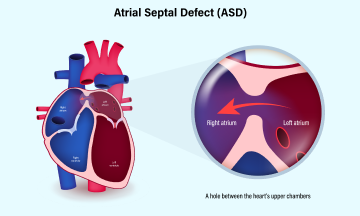
Congenital heart disease (CHD) refers to a range of heart conditions that are present at birth. One common congenital heart defect is Atrial Septal Defect (ASD), a condition where there is an abnormal hole in the septum (the wall) that
21 Jan 2025
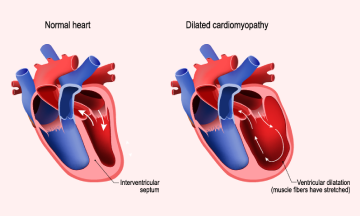
Dilated Cardiomyopathy (DCM) is a condition in which the heart becomes enlarged and weakened, impairing its ability to pump blood effectively. This can lead to a variety of complications, including heart failure and arrhythmias (irregular heartbeats). As one of the
21 Jan 2025
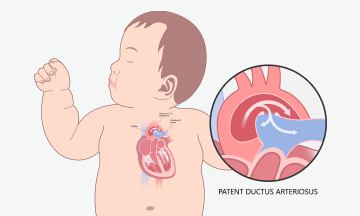
Patent Ductus Arteriosus (PDA) is a congenital heart defect that affects the normal flow of blood in the heart. It occurs when the ductus arteriosus, a small blood vessel that connects the pulmonary artery to the aorta in the fetus,
23 Jan 2025

Spinal cord surgery is a critical medical procedure designed to treat spinal cord injuries, deformities, or conditions affecting the spinal column. It aims to relieve pain, restore mobility, and prevent further complications. These surgeries address issues such as trauma, herniated
23 Jan 2025

Human metapneumovirus (HMPV) is a common virus that often feels like a bad cold, causing symptoms like coughing, wheezing, a runny nose, and a sore throat. While most people recover without issues, certain groups, such as young children, older adults,
1 Jan 2025
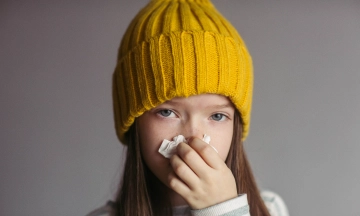
Winter weather is conducive to viral infections A dip in the temperature enables several viruses to thrive and new viruses to get into circulation. Most of these viruses are respiratory viruses – for example, rhinovirus, RSV, and influenza (Flu) virus which
12 Dec 2023
The school contains a complicated micro-environment of allergens, pollutants, and infections. A school is a place where children are required to interact with the outside environment, and exposure levels in this setting can have a substantial health impact. During the week,
28 Nov 2023
Kawasaki Disease is a condition that can affect children – it may prove difficult to identify this in the initial stages. It is crucial to diagnose and treat this in a timely fashion, writes Dr. Rajath Athreya, one of the
22 Feb 2023
Did you know that Michael Fred Phelps, former American competitive swimmer and one of the most decorated Olympian of all time was diagnosed with Attention Deficit Hyperactivity Disorder (ADHD) at the age of 9 years? While the condition had made
23 Jul 2020

Can Oral Health Have an Effect on Pregnancy? Recent research indicates a link between gum disease and childbirth complications. Pregnant women who have gum disease may be more likely to have a baby that is born too early and too small. More
29 Jan 2018

A newborn baby is a bundle of joy and brings a lot of excitement to his/her parents. Along with the excitement and joy he/she presents a lot of challenges, more so for a couple who become parents for the first
12 Oct 2016
Enquire Now