

Home/Wellness Zone/Sakra Blogs

13th Mar, 2025
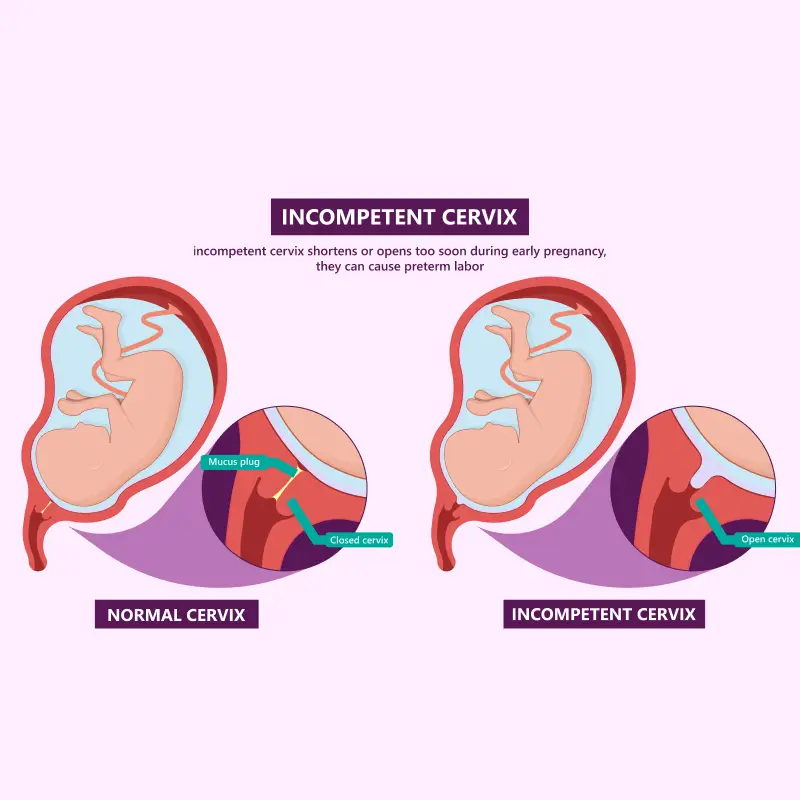
Cervical insufficiency, also known as an incompetent cervix, is a condition in which the cervix opens too early during pregnancy, leading to a risk of preterm birth or pregnancy loss. The cervix is the lower part of the uterus that remains closed and firm during pregnancy to protect the developing baby.
However, in some cases, it may weaken and dilate prematurely, causing complications. This condition is often diagnosed in the second trimester when the cervix begins to shorten or open without contractions. Early detection and proper management can significantly improve pregnancy outcomes.
The exact cause of incompetent cervix is not always clear, but several factors can contribute to it:
Women with cervical insufficiency may not always experience noticeable symptoms. However, some warning signs include:
The cervix undergoes gradual changes throughout pregnancy. Understanding these changes helps in monitoring potential risks:
Managing incompetent cervix requires early diagnosis and intervention. Common treatment options include:
Cervical insufficiency is a serious condition that requires close medical attention to prevent pregnancy complications. If you have a history of preterm labor or experience cervix open symptoms, consult your doctor for evaluation and possible treatment. Regular prenatal check-ups can help ensure a healthy pregnancy and reduce the risks associated with an incompetent cervix.
By staying informed and seeking timely medical care, women with cervical insufficiency can improve their chances of carrying a pregnancy to full term.
1. How is cervical insufficiency diagnosed?
Doctors use transvaginal ultrasounds to measure cervical length and assess dilation. A pelvic exam may also be performed.
2. Can cervical insufficiency be prevented?
While it cannot always be prevented, early screening and medical intervention can help manage risks.
3. Does cervical cerclage guarantee a full-term pregnancy?
Cerclage improves pregnancy outcomes but does not guarantee full-term birth. Close monitoring is essential.
4. Are there any lifestyle changes to help manage an incompetent cervix?
Avoiding heavy lifting, reducing stress, and following medical advice can help lower the risk of complications.
5. Can cervical insufficiency affect future pregnancies?
Yes, women who have experienced it once may be at risk in future pregnancies. Consultation with a specialist is recommended.
6. What are the symptoms of an open cervix during pregnancy?
Cervical insufficiency often has very mild or no obvious symptoms in early stages. Some women may notice pelvic pressure, lower back pain, mild abdominal cramps, increased vaginal discharge, or light spotting. In many cases, it is detected during a routine ultrasound rather than through symptoms.
7. Can cervical insufficiency cause miscarriage?
Yes, cervical insufficiency can lead to miscarriage, especially in the second trimester. The cervix may open too early without pain or contractions, which can result in pregnancy loss or preterm birth if not treated in time.
8. What is the best treatment for cervical insufficiency?
The most common and effective treatment is a procedure called cerclage, where the cervix is stitched closed to help keep it secure during pregnancy. Other approaches may include progesterone therapy, reduced physical activity, and regular monitoring through ultrasounds.
9. Can previous surgery cause cervical insufficiency?
Yes, certain procedures like cervical surgery (for example, removal of abnormal tissue or repeated dilation procedures) can weaken the cervix and increase the risk of cervical insufficiency in future pregnancies.

Hormones play a vital role in regulating a woman’s body—from menstrual cycles and metabolism to mood and sleep. Even a slight imbalance can lead to noticeable physical and emotional changes. Recognizing the signs of hormonal imbalance in women early
24 Mar 2026
Cervical insufficiency, also known as an incompetent cervix, is a condition in which the cervix opens too early during pregnancy, leading to a risk of preterm birth or pregnancy loss. The cervix is the lower part of the uterus that
13 Mar 2025
Abnormal Uterine Bleeding (AUB) is a common gynecological issue that affects many women across different age groups. Defined as any deviation from the normal menstrual cycle, AUB can have various causes and present with diverse symptoms. Understanding Abnormal Uterine Bleeding AUB is
17 Nov 2023

Pregnancy is a miraculous and transformative journey for women, but it comes with its own set of challenges. Pregnancy-induced hypertension (PIH), also known as gestational hypertension, is one such challenge that can affect both the mother and the unborn child. What
17 Nov 2023

What is HPV ?? HPV is a group of more than 200 related viruses, of which more than 40 are spread through direct sexual contact. Among these, two HPV types cause genital warts, and about a dozen HPV types can cause
6 Nov 2023
Abnormal uterine bleeding (AUB) is bleeding from the uterus that is longer than usual or that occurs at an irregular time. Bleeding may be heavier or lighter than usual and occur often or randomly. AUB can occur: As spotting or
20 Oct 2023

Pregnancy is a beautiful and transformative journey for many women, but it can also be accompanied by challenges. A high-risk pregnancy is one that need extra attention and care during the pregnancy to prevent complications for both the mother and
17 Oct 2023

Polycystic Ovary Syndrome (PCOD) is a common and complex hormonal disorder. It can lead to various physical and emotional challenges, from irregular periods to fertility issues and metabolic complications. In this blog, we'll dive into the world of PCOD, exploring
13 Oct 2023

Hearing aids and cochlear implants have transformed the lives of individuals with hearing impairments, enabling them to navigate the world of sound with greater clarity and ease. However, these remarkable hearing solutions often suffer from misconceptions and misunderstandings. In
13 Jul 2023

What surgeries do gynecologists perform? The most common surgeries performed by obstetrics and gynecologists include: Dilatation and Curettage (D&C) Hysteroscopy Endometrial Ablation Laparoscopy Tubal Ligation Salpingectomy Conization Hysterectomy Myomectomy Oophorectomy Ovarian cystectomy Pelvic Support surgery What are the most common gynecological problems? The most common gynecological problems are: White discharge Menstrual disorder Pelvic Floor Prolapse Pelvic pain Polycystic Ovarian Syndrome Uterine
22 Sep 2021

Natural pregnancy & delivery is a miracle of science. A fertility specialist, after understanding the delicate details of pregnancy, how it happens: always think that natural pregnancy is a wonder. So let’s read the story of natural pregnancy, which includes the
2 Jul 2021
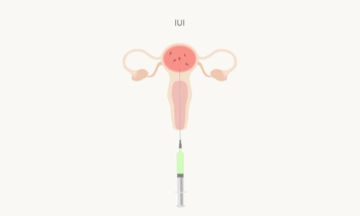
What is Intrauterine Insemination (IUI)? Artificial insemination or intrauterine insemination (IUI) forms, by and large, the first line of infertility treatment. It is simple and inexpensive which is technically easy to perform. Washed and concentrated sperm are placed directly in the uterus
2 Jul 2021

Assisted Reproductive Technology is a method of using scientific knowledge to help the needful couple to conceive and have a child. It is a technique where the human gametes are handled outside the body, fused and the formed embryos are
2 Jul 2021

There is sometimes a connection between hypothyroidism (when you have an underactive thyroid gland ) and infertility in women. In hypothyroidism, the thyroid gland doesn’t produce enough of certain necessary hormones. Low levels of thyroid hormones can interfere with the release
9 Feb 2021

Pregnancy in every woman is a phase that comes with immense happiness and excitement and a lot of fear. It is a stage where a woman has to be extra cautious about both her physical and mental health and must
2 Dec 2020

In India caesarean section (C-section) surgery has become more popular than normal delivery over a few years. According to a District Level Household Survey 3 (DLHS) report, there has been an increase in the rate of C-section surgery, 28.1% in
27 Nov 2020

Pregnancy is probably one of the most sensitive times in a woman’s life. The global Coronavirus outbreak that comes with loads of anxiety, fear and life like never before has made pregnant mothers even more worried. They are confused and
28 May 2020
Enquire Now