Home/Wellness Zone/Sakra Blogs

24th Mar, 2026
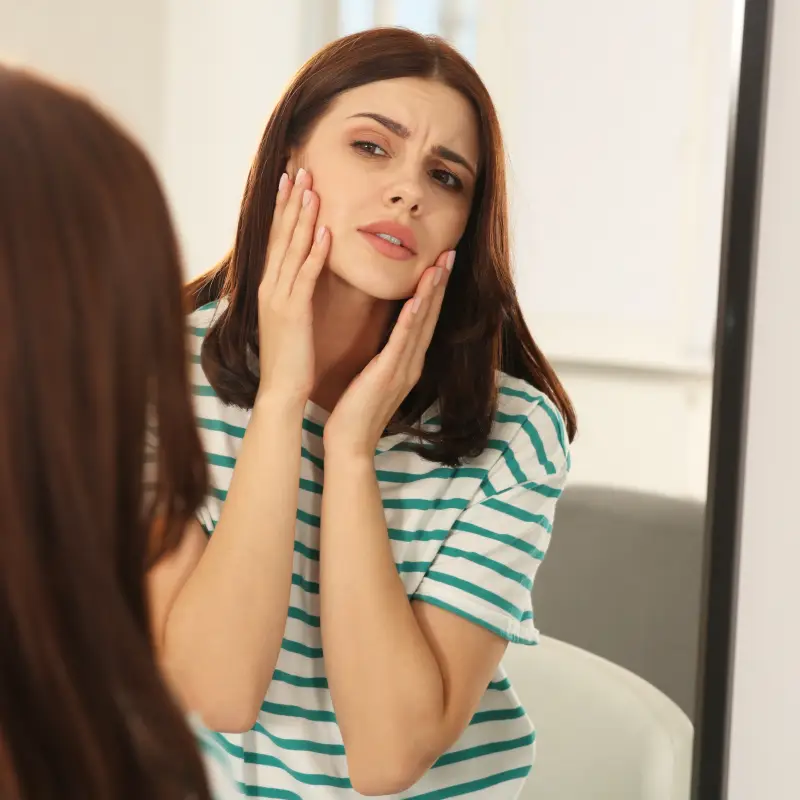
Hormones play a vital role in regulating a woman’s body—from menstrual cycles and metabolism to mood and sleep. Even a slight imbalance can lead to noticeable physical and emotional changes.
Recognizing the signs of hormonal imbalance in women early can help prevent complications and ensure timely treatment.
Hormonal Imbalance occurs when there is too much or too little of certain hormones in the bloodstream. Hormones like estrogen, progesterone, thyroid hormones, and insulin work together to maintain balance in the body.
1. Irregular Periods
Missed, delayed, or unusually heavy periods may indicate hormonal fluctuations.
2. Unexplained Weight Gain or Loss
Sudden weight changes—especially around the abdomen—can be linked to hormonal issues.
3. Persistent Fatigue
Feeling tired even after adequate rest may be a sign of thyroid or adrenal imbalance.
4. Mood Swings and Anxiety
Hormonal changes can affect neurotransmitters, leading to irritability, anxiety, or depression.
5. Acne and Skin Changes
Adult acne, oily skin, or dryness may indicate hormonal imbalance, especially related to androgen levels.
6. Hair Loss or Excess Hair Growth
Thinning hair or unwanted facial/body hair (hirsutism) can be hormone-related.
7. Sleep Problems
Difficulty falling asleep or staying asleep may be linked to hormonal disruptions.
8. Low Libido
Reduced sexual desire can be associated with changes in estrogen or testosterone levels.
9. Digestive Issues
Bloating, constipation, or irregular digestion may also be influenced by hormones.
Polycystic Ovary Syndrome (PCOS)
Thyroid disorders
Stress and lifestyle factors
Poor diet and lack of exercise
Menopause or perimenopause
Certain medications
It’s important to seek medical advice if you experience:
Persistent irregular periods
Severe fatigue or unexplained weight changes
Continuous mood swings or depression
Difficulty conceiving
Symptoms that interfere with daily life
Early diagnosis can help prevent complications and improve quality of life.
Doctors may recommend:
Blood tests to check hormone levels
Thyroid function tests
Ultrasound (for conditions like PCOS)
Medical history and symptom evaluation
Treatment depends on the underlying cause and may include:
Lifestyle and dietary changes
Hormonal therapy
Medications for specific conditions
Stress management techniques
Here are some simple lifestyle habits that can help support natural hormonal balance:
Eat a Balanced Diet
Include whole foods, healthy fats, and adequate protein.
Exercise Regularly
Physical activity helps regulate hormones and improve metabolism.
Manage Stress
Practice yoga, meditation, or relaxation techniques.
Maintain Healthy Sleep Patterns
Aim for 7–8 hours of quality sleep.
At Sakra World Hospital, our endocrinology and gynecology specialists provide comprehensive care for hormonal disorders, including:
Accurate diagnosis and hormone testing
Personalized treatment plans
Management of PCOS, thyroid disorders, and menopause
Long-term monitoring and support
Hormonal imbalance in women can present in many ways, from irregular periods to mood changes and fatigue. Recognizing these signs early and seeking medical advice can help restore balance and improve overall health.
If symptoms persist, don’t ignore them—consult a healthcare professional for proper evaluation and treatment.
1. What are the most common symptoms of hormonal imbalance in women?
Irregular periods, weight changes, fatigue, mood swings, and acne are common symptoms.
2. Can hormonal imbalance go away on its own?
Mild imbalances may improve with lifestyle changes, but persistent symptoms require medical attention.
3. Which doctor should I consult for hormonal imbalance?
You can consult an endocrinologist or gynecologist for proper diagnosis and treatment.
4. Can stress cause hormonal imbalance?
Yes, chronic stress can disrupt hormone levels, particularly cortisol and reproductive hormones.
5. How is hormonal imbalance treated?
Treatment may include lifestyle changes, medications, or hormone therapy depending on the cause.

Hormones play a vital
24 Mar 2026
Cervical insufficiency, also known as
13 Mar 2025
Abnormal Uterine Bleeding (AUB) is
17 Nov 2023
Pregnancy is a miraculous and
17 Nov 2023
What is HPV ?? HPV is
6 Nov 2023
Abnormal uterine bleeding (AUB) is
20 Oct 2023
Pregnancy is a beautiful and
17 Oct 2023
Polycystic Ovary Syndrome (PCOD) is
13 Oct 2023
Hearing aids and cochlear implants
13 Jul 2023
What surgeries do gynecologists perform? The
22 Sep 2021
Natural pregnancy & delivery is
2 Jul 2021
What is Intrauterine Insemination (IUI)? Artificial
2 Jul 2021
Assisted Reproductive Technology is a
2 Jul 2021
There is sometimes a connection
9 Feb 2021
Pregnancy in every woman is
2 Dec 2020
In India caesarean section (C-section)
27 Nov 2020
Pregnancy is probably one of
28 May 2020
Enquire Now