

Home/Wellness Zone/Sakra Blogs

25th Nov, 2026
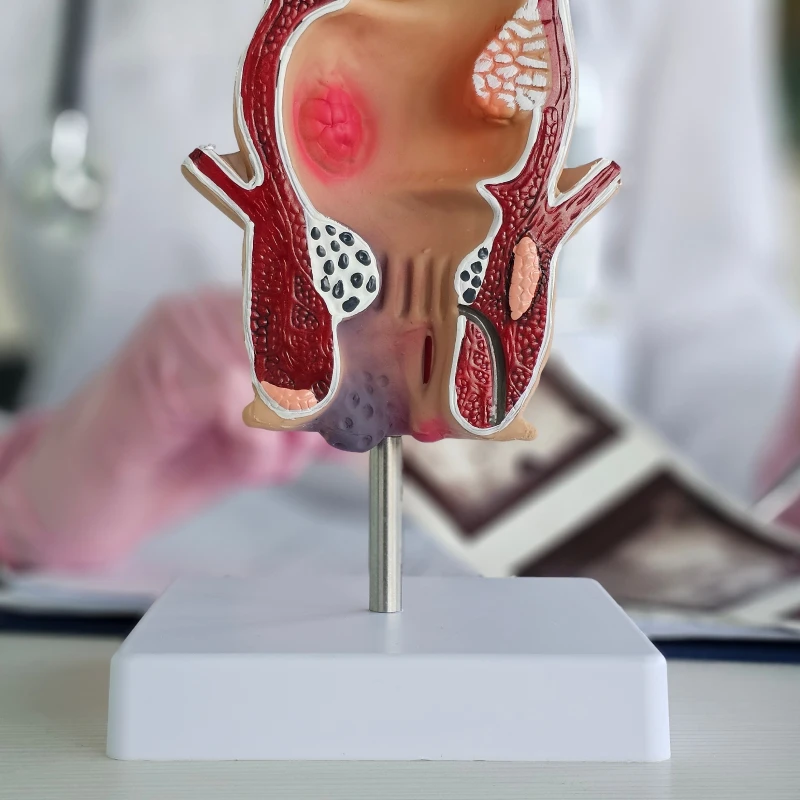
An anal fissure is a small tear or crack in the lining of the anus that can cause sharp pain during bowel movements, burning, and bleeding. It commonly develops due to passing hard stools, constipation, or straining during defecation. Although many anal fissures heal with simple measures such as dietary changes, adequate hydration, and prescribed medication, some may persist and become chronic. Understanding the symptoms, causes, and treatment options can help manage discomfort, support healing, and prevent recurrence. Persistent pain or rectal bleeding should be evaluated by a healthcare professional to confirm the diagnosis and rule out other conditions.
An anal fissure is a tear in the thin, delicate tissue lining the anal canal, the opening through which stool leaves the body. The tear may be superficial or extend deeper into the tissue, causing pain and irritation during bowel movements.
Anal fissures can affect people of any age, including infants and adults. They commonly occur after passing large or hard stools, but frequent diarrhoea and other conditions affecting the anal region can also contribute.
An anal fissure is classified as acute when it is recent and generally heals within several weeks, or chronic when it persists for around six weeks or longer. Chronic fissures may develop a small skin tag or a raised area around the tear and may require more specialised treatment.
Anal fissure symptoms can range from mild irritation to severe pain during and after passing stool. The severity often depends on the size and depth of the tear and whether it has become chronic.
Common symptoms include:
Sharp pain during bowel movements: Passing stool may cause intense, cutting or tearing pain that can continue for several minutes or hours afterward.
Bright red blood: A small amount of fresh blood may appear on toilet paper or on the surface of the stool.
Burning or itching: Irritation around the anus may cause discomfort, particularly after bowel movements.
Visible tear: A small crack in the skin around the anal opening may sometimes be visible.
Anal muscle spasms: The internal anal sphincter may tighten involuntarily, increasing pain and making healing more difficult.
Skin tag near the anus: A chronic fissure may be associated with a small lump or skin tag near the tear.
These symptoms can also occur with other anorectal conditions, including haemorrhoids and infections. A medical examination is important if symptoms persist or bleeding recurs.
An anal fissure develops when the delicate lining of the anal canal is stretched or injured. Increased pressure or tightness in the anal sphincter can also reduce blood flow to the affected area and delay healing.
Common causes and contributing factors include:
Constipation: Hard, dry stools can stretch and tear the anal lining during bowel movements.
Straining during defecation: Repeatedly pushing hard to pass stool increases pressure on the anal canal.
Chronic diarrhoea: Frequent loose stools can irritate the anal lining and contribute to tears.
Passing large stools: A large bowel movement may injure the delicate tissue around the anus.
Childbirth: Vaginal delivery can place pressure on the pelvic floor and anal region, increasing the risk of an anal fissure.
Reduced blood flow: Lower blood supply to the anal tissue can interfere with healing, particularly in chronic fissures.
Underlying medical conditions: Conditions such as Crohn's disease may cause anal fissures. Atypical, multiple, or non-healing fissures may require further evaluation for an underlying cause.
In many cases, more than one factor contributes to the development or persistence of a fissure.
Anal fissures are mainly classified according to how long they have been present and whether healing has occurred.
1. Acute Anal Fissure
An acute anal fissure is a recent tear that has not developed the features of a chronic wound. It commonly causes pain during bowel movements and may produce a small amount of bright red bleeding.
Many acute fissures heal within a few weeks when constipation is managed, stools are kept soft, and the affected area is allowed to recover.
2. Chronic Anal Fissure
A chronic anal fissure persists for approximately six weeks or longer and may develop thickened edges, exposed muscle fibres, or a small skin tag. Ongoing anal sphincter spasm and reduced blood flow can make healing more difficult.
Chronic fissures may require prescription ointments or a procedure if conservative treatment does not provide relief.
Anal fissure treatment aims to relieve pain, prevent constipation, reduce anal sphincter tightness, and allow the tear to heal. The treatment depends on how long the fissure has been present, the severity of symptoms, and whether previous treatments have worked.
1. Dietary Changes and Lifestyle Measures
Dietary and lifestyle changes are often the first step in treating an uncomplicated anal fissure. The goal is to make bowel movements softer and easier to pass, reducing repeated injury to the tear.
Increase fibre intake: Include fruits, vegetables, whole grains, legumes, and other fibre-rich foods to help soften stools and improve bowel regularity.
Drink enough water: Adequate fluid intake helps fibre work effectively and may reduce constipation.
Avoid straining: Respond to the urge to pass stool and avoid sitting on the toilet for prolonged periods.
Stay physically active: Regular walking and other suitable physical activity can help support bowel regularity.
Maintain gentle hygiene: Clean the anal area gently with water and pat it dry instead of rubbing the skin.
These measures can support healing, but persistent or severe symptoms may need medical treatment.
2. Warm Sitz Baths
A sitz bath involves sitting in comfortably warm, shallow water for around 10 to 15 minutes, particularly after bowel movements. The warmth may help relax the anal sphincter, reduce discomfort, and improve local comfort.
Avoid very hot water, harsh cleansers, or additives that may irritate the affected skin. Sitz baths can help relieve symptoms but do not replace medical evaluation when the fissure is persistent.
3. Medications for Anal Fissure
A healthcare professional may prescribe medication to relieve pain, relax the anal sphincter, and promote healing.
Topical anaesthetics: Medicines such as lidocaine may provide temporary relief from pain and burning.
Nitroglycerin ointment: This can relax the internal anal sphincter and improve blood flow to the fissure. Headaches and dizziness are possible side effects.
Topical calcium channel blockers: Diltiazem or nifedipine ointments may help relax the sphincter and are often used for chronic fissures.
Stool softeners or laxatives: These may be recommended when constipation makes bowel movements painful or difficult.
Medication choice depends on the patient's symptoms, medical history, and other medicines. Prescription ointments should be used according to medical advice.
4. Botulinum Toxin Injection
Botulinum toxin, commonly known as Botox, may be injected into the internal anal sphincter to reduce excessive muscle tightness. This can improve blood flow to the fissure and support healing.
It may be considered for chronic fissures that have not responded to initial treatments. The effect is temporary, and some patients may need additional treatment if the fissure does not heal or returns.
5. Surgery for Anal Fissure
Surgery may be recommended for a chronic anal fissure that does not heal despite appropriate medical treatment. The most commonly used surgical procedure is lateral internal sphincterotomy.
During this procedure, the surgeon carefully cuts a small portion of the internal anal sphincter to reduce muscle tightness and allow the fissure to heal. It has a high healing rate, but it carries a risk of impaired control over gas or stool in some patients.
Other procedures may be considered in selected cases, particularly when there is an increased risk of continence problems. The surgeon will discuss the benefits and risks before recommending an operation.
Healing time depends on whether the fissure is acute or chronic, its underlying cause, and the treatment used.
Acute fissure: Many recent fissures improve within a few weeks with softer stools, adequate hydration, warm sitz baths, and appropriate treatment.
Chronic fissure: Healing may take longer and often requires prescription medication or a procedure.
After surgery: Recovery varies according to the procedure and individual health. Pain may improve over days to weeks, while complete healing may take several weeks.
A fissure that is not improving, repeatedly returns, or causes persistent bleeding should be reviewed by a healthcare professional.
Medical assessment is recommended if anal pain or bleeding persists, returns frequently, or interferes with daily activities. A doctor can confirm whether the symptoms are due to an anal fissure and recommend appropriate treatment.
Seek medical attention if you experience:
Persistent or severe pain during bowel movements
Repeated rectal bleeding or bleeding that is increasing
Symptoms that do not improve with basic measures
A lump, swelling, discharge, or signs of infection around the anus
A fissure that repeatedly returns or does not heal
Multiple or unusually located fissures, which may require evaluation for an underlying condition
Heavy bleeding, black or tarry stools, dizziness, or fainting require urgent medical evaluation. Severe anal pain accompanied by fever or rapidly increasing swelling also needs prompt assessment.
An anal fissure is a tear in the lining of the anus that commonly causes sharp pain, burning, and bright red bleeding during bowel movements. Many acute fissures heal with dietary changes, adequate hydration, warm sitz baths, and appropriate medication. Chronic fissures may require prescription ointments, botulinum toxin injections, or surgery when other treatments fail. Seeking medical advice for persistent symptoms or rectal bleeding helps confirm the diagnosis, identify underlying causes, and guide effective treatment.
1. Can an anal fissure heal on its own?
Many acute anal fissures heal within a few weeks when stools are kept soft and straining is avoided. Persistent or chronic fissures may need prescription medication or a procedure.
2. What is the fastest way to heal an anal fissure?
Keeping stools soft through adequate fibre and fluids, taking warm sitz baths, and avoiding straining can support healing. A doctor may prescribe ointments to relax the anal sphincter if symptoms persist.
3. Is an anal fissure dangerous?
Most anal fissures are not dangerous, but persistent fissures can cause significant pain and may require treatment. Ongoing bleeding, severe pain, fever, or unusual swelling should be medically assessed.
4. What foods should I eat if I have an anal fissure?
Fibre-rich foods such as fruits, vegetables, whole grains, and legumes can help soften stools and reduce straining. Drinking adequate water alongside fibre can also support regular bowel movements.
5. When does an anal fissure require surgery?
Surgery may be recommended when a chronic fissure does not heal with appropriate dietary measures and medical treatment. The decision depends on the fissure's severity, previous treatment response, and the patient's risk of complications.

Senior Consultant & Lead – General Surgery, Laparoscopic & Robotic Surgery
Book an Appointment
Anal fissure skin tags are small flaps of skin that may develop near the anus when an anal fissure becomes chronic or repeatedly heals and reopens. They are usually harmless, but they can cause irritation, difficulty with hygiene, or
25 Nov 2026
Anal fistula surgery helps treat an abnormal tunnel that forms between the inside of the anus and the skin around it. Proper care after surgery is important for healing, reducing pain, preventing infection, and lowering the risk of the
25 Nov 2026

An anal fistula is a small tunnel that forms between the inside of the anus and the skin around it. It usually develops after an infection near the anus causes an abscess, which is a collection of pus. An
25 Nov 2026

Finding a lump in the breast can be worrying, but not every breast lump is a sign of cancer. Many lumps develop because of hormonal changes, fluid-filled cysts, or the growth of normal breast tissue. These are called benign
30 Oct 2026
A breast fibroadenoma is a common, non-cancerous lump that develops in the breast. It is made up of glandular and connective tissue and is often found in younger women, particularly those under 30. Fibroadenomas usually feel smooth, firm, and
30 Oct 2026
Gallstones are a common digestive problem that can cause significant discomfort and complications if left untreated. While some people may not experience symptoms, others may develop severe pain and require medical attention. Understanding gallstone surgery, its types, and recovery
21 Jul 2026
Nipple discharge is a condition where fluid comes out of one or both nipples, either on its own or when pressure is applied. While it can be alarming, especially if unexpected, not all cases are serious. Many people often
7 Jul 2026

Breast pain is one of the most common concerns women experience at some point in their lives. It can feel mild, sharp, heavy, or even constant, which often leads to worry. Many people frequently ask questions like why breast
7 Jul 2026
The thyroid is a small, butterfly-shaped gland located at the front of the neck. It plays an important role in controlling metabolism, heart rate, energy levels, and body temperature. When thyroid problems cannot be managed with medicines alone, doctors
12 Jan 2026
Enquire Now


