

Home/Wellness Zone/Sakra Blogs

25th Nov, 2026

Anal fistula surgery helps treat an abnormal tunnel that forms between the inside of the anus and the skin around it. Proper care after surgery is important for healing, reducing pain, preventing infection, and lowering the risk of the fistula coming back. Recovery may take a few weeks or longer, depending on the type of surgery and the complexity of the fistula. Following the surgeon’s instructions, keeping the area clean, eating fibre-rich foods, and avoiding excessive strain during bowel movements can support recovery. Here are 10 important precautions to follow after fistula surgery.
Following the right care routine after surgery can make recovery more comfortable and help prevent complications. These precautions should be followed according to the surgeon’s advice.
1. Keep the Surgical Area Clean
Keeping the area around the anus clean helps reduce the risk of infection. After passing stool, gently wash the area with clean, lukewarm water and pat it dry with a soft towel. Avoid rubbing the wound or using scented soaps, antiseptics, or other products unless the surgeon recommends them.
2. Take Warm Sitz Baths
A sitz bath involves sitting in a shallow tub of warm water to soothe the area around the anus. It may help relieve discomfort, relax the surrounding muscles, and keep the area clean. Follow the surgeon’s advice about how often and how long to take a sitz bath, and use plain warm water unless instructed otherwise.
3. Eat Fibre-Rich Foods
Fibre helps soften stools and makes bowel movements easier. This is important after fistula surgery because hard stools and straining can cause pain and irritate the healing wound.
Include foods such as:
Whole grains, oats, and whole-wheat bread
Fruits such as papaya, pears, apples, and oranges
Vegetables such as carrots, beans, spinach, and broccoli
Pulses, beans, and lentils
Increase fibre gradually to help prevent bloating. If the surgeon has recommended a specific diet, follow that advice.
4. Drink Enough Water
Drinking enough fluids helps keep stools soft and supports normal bowel movements. Unless a doctor has advised limiting fluids, drink water regularly throughout the day. Adequate fluid intake is particularly important when increasing fibre in the diet.
5. Avoid Straining During Bowel Movements
Straining can put pressure on the surgical area and increase discomfort. Respond to the urge to pass stool instead of holding it in, avoid sitting on the toilet for long periods, and do not force a bowel movement. If constipation occurs, ask the surgeon whether a stool softener or laxative is suitable rather than taking one without advice.
6. Take Medicines as Prescribed
The surgeon may prescribe pain-relief medicines, stool softeners, or other medicines depending on the procedure and individual needs. Take them exactly as directed and do not stop or change the dose without medical advice. Antibiotics are needed only in certain situations and should be taken if prescribed.
7. Avoid Heavy Lifting and Strenuous Activities
Rest is important during the initial recovery period. Avoid heavy lifting, intense workouts, cycling, or other activities that cause pain or put pressure on the surgical area until the surgeon says they are safe. Gentle walking is usually helpful, but increase activity gradually according to comfort and medical advice.
8. Follow Wound Dressing and Seton Care Instructions
Some patients may need a dressing to absorb discharge from the wound. Others may have a seton, which is a thin thread placed through the fistula to help it drain or support treatment. Change dressings as instructed and follow the care instructions given for a seton. Do not pull, cut, or remove it yourself.
A small amount of discharge or spotting may occur during healing, but worsening discharge, a strong unpleasant smell, or increasing pain should be reported to the surgeon.
9. Attend Follow-Up Appointments
Follow-up visits help the surgeon check whether the wound is healing properly and identify problems early. Attend all scheduled appointments, even if the pain has improved. Healing time varies depending on the fistula, the procedure performed, and whether a seton or another treatment method was used.
10. Watch for Signs of Infection or Other Complications
Some discomfort and light discharge may be expected after surgery, but symptoms that become worse need medical attention. Contact the surgeon if you notice:
Fever or chills
Increasing pain, redness, or swelling around the wound
Pus or discharge with a strong unpleasant smell
Heavy or persistent bleeding
Difficulty passing urine
A wound that appears to be worsening instead of healing
Seek urgent medical care for heavy bleeding, severe or rapidly worsening pain, or other serious symptoms.
A balanced diet can support wound healing and help prevent constipation. Choose foods that provide fibre, protein, vitamins, and minerals.
Fibre-rich foods: Oats, whole grains, fruits, vegetables, and lentils help keep stools soft.
Protein-rich foods: Eggs, fish, lean meat, tofu, paneer, and pulses support tissue repair.
Fluids: Water and other suitable fluids help prevent hard stools.
Fresh fruits and vegetables: These provide vitamins and minerals that support general health.
There is no single diet that suits everyone after fistula surgery. Follow any dietary restrictions recommended by the surgeon, particularly if another medical condition affects food or fluid intake.
Certain habits can increase discomfort or interfere with recovery. During the healing period:
Avoid straining or sitting on the toilet for a long time.
Do not rub the wound or use unapproved creams and cleaning products.
Avoid heavy lifting and strenuous exercise until cleared by the surgeon.
Do not skip prescribed medicines or change doses on your own.
Do not pull or remove a seton or dressing unless instructed.
Avoid ignoring worsening pain, fever, or unusual discharge.
The timing for returning to work, exercise, and other daily activities depends on the type of surgery and how quickly the wound heals.
Recovery time depends on the size and complexity of the fistula and the procedure performed. Some people can return to light daily activities within a few days, while complete wound healing may take several weeks or longer. More complex fistulas and procedures may require additional time and follow-up care.
Mild discomfort and some discharge can occur during healing. However, symptoms should generally improve rather than become progressively worse. Follow the surgeon’s instructions about wound care, activity, and follow-up appointments.
Contact the surgeon if pain or swelling increases, discharge becomes heavy or foul-smelling, bleeding continues, or the wound does not appear to be healing. Fever, chills, or difficulty passing urine also require prompt medical assessment. Seek urgent care if you experience severe pain or heavy bleeding.
Do not wait for a scheduled follow-up appointment if concerning symptoms develop.
Taking proper precautions after fistula surgery can help make recovery more comfortable and reduce the risk of complications. Keep the surgical area clean, take warm sitz baths if recommended, eat fibre-rich foods, drink enough water, and avoid straining during bowel movements. Follow all instructions about medicines, dressings, activity, and follow-up visits. Since every fistula and surgical procedure is different, the surgeon’s advice should guide recovery.
1. How should I clean the area after fistula surgery?
Gently wash the area with clean, lukewarm water after bowel movements and pat it dry without rubbing. Use soaps, creams, or antiseptics only if recommended by the surgeon.
2. Can I sit normally after fistula surgery?
You can usually sit as tolerated, but prolonged sitting may increase discomfort during the early recovery period. Take regular breaks, use a cushion if it helps, and follow the surgeon’s advice.
3. What should I eat to prevent constipation after fistula surgery?
Eat fibre-rich foods such as fruits, vegetables, oats, whole grains, and lentils, and drink enough fluids unless you have been advised to restrict them. If constipation continues, ask the surgeon about a suitable stool softener.
4. When can I return to work after fistula surgery?
The time needed depends on the type of surgery, the nature of your work, and your recovery. You may return to light work within a few days, but physically demanding work may require a longer break and approval from your surgeon.
5. Can an anal fistula come back after surgery?
Yes, an anal fistula can recur in some cases, particularly when the tract is complex or does not heal completely. Follow-up appointments and reporting persistent discharge, pain, or a new swelling can help identify recurrence early.

Senior Consultant & Lead – General Surgery, Laparoscopic & Robotic Surgery
Book an Appointment
Anal fissure skin tags are small flaps of skin that may develop near the anus when an anal fissure becomes chronic or repeatedly heals and reopens. They are usually harmless, but they can cause irritation, difficulty with hygiene, or
25 Nov 2026
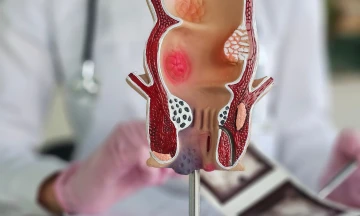
An anal fissure is a small tear or crack in the lining of the anus that can cause sharp pain during bowel movements, burning, and bleeding. It commonly develops due to passing hard stools, constipation, or straining during defecation.
25 Nov 2026

An anal fistula is a small tunnel that forms between the inside of the anus and the skin around it. It usually develops after an infection near the anus causes an abscess, which is a collection of pus. An
25 Nov 2026

Finding a lump in the breast can be worrying, but not every breast lump is a sign of cancer. Many lumps develop because of hormonal changes, fluid-filled cysts, or the growth of normal breast tissue. These are called benign
30 Oct 2026
A breast fibroadenoma is a common, non-cancerous lump that develops in the breast. It is made up of glandular and connective tissue and is often found in younger women, particularly those under 30. Fibroadenomas usually feel smooth, firm, and
30 Oct 2026

Gallstones are a common digestive problem that can cause significant discomfort and complications if left untreated. While some people may not experience symptoms, others may develop severe pain and require medical attention. Understanding gallstone surgery, its types, and recovery
21 Jul 2026

Nipple discharge is a condition where fluid comes out of one or both nipples, either on its own or when pressure is applied. While it can be alarming, especially if unexpected, not all cases are serious. Many people often
7 Jul 2026

Breast pain is one of the most common concerns women experience at some point in their lives. It can feel mild, sharp, heavy, or even constant, which often leads to worry. Many people frequently ask questions like why breast
7 Jul 2026
The thyroid is a small, butterfly-shaped gland located at the front of the neck. It plays an important role in controlling metabolism, heart rate, energy levels, and body temperature. When thyroid problems cannot be managed with medicines alone, doctors
12 Jan 2026
Enquire Now


