

Home/Wellness Zone/Sakra Blogs

25th Nov, 2026

An anal fistula is a small tunnel that forms between the inside of the anus and the skin around it. It usually develops after an infection near the anus causes an abscess, which is a collection of pus. An anal fistula may cause pain, swelling, irritation, and discharge of pus or blood from a small opening near the anus. Unlike some minor wounds, an established anal fistula usually does not heal completely on its own and may require surgery. Understanding its symptoms, causes, types, and treatment options can help people seek timely medical care and prevent complications.
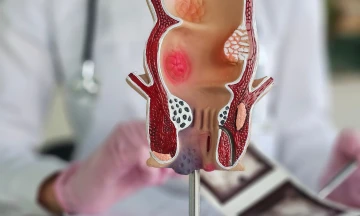
An anal fistula is an abnormal passage that connects the anal canal, the short passage through which stool leaves the body, to the skin near the anus. It often develops when an infected gland inside the anus forms an abscess. After the abscess drains, a tunnel may remain between the infected area and the skin.
The tunnel can continue to drain pus or fluid and may cause repeated swelling, pain, or infection. An anal fistula generally needs medical assessment because the appropriate treatment depends on its location, depth, and relationship to the muscles that control bowel movements.
The symptoms of an anal fistula can vary depending on the size and location of the tunnel. Some people experience persistent discharge, while others have pain and swelling that improve after pus drains from the affected area.
Common symptoms include:
Pain around the anus: Pain or discomfort may increase while sitting, passing stool, or moving around, especially when the area becomes inflamed.
Pus or fluid discharge: A small opening near the anus may release pus or fluid that stains underwear.
Blood-stained discharge: A small amount of blood may mix with the discharge, particularly when the surrounding skin is irritated.
Swelling and redness: The skin around the opening may become swollen, tender, or red because of inflammation or infection.
Skin irritation and itching: Repeated discharge can make the surrounding skin sore, itchy, or uncomfortable.
A recurring abscess: Swelling and pain may return if the opening closes while infection or fluid remains trapped inside.
Fever or chills: These may occur if an abscess or other infection develops and require prompt medical assessment.
Not everyone experiences all these symptoms. Persistent discharge or repeated painful swelling near the anus should be examined by a healthcare professional.
An anal fistula most commonly develops following an infection in a gland inside the anal canal. If the infection forms an abscess, the pus may drain naturally or require drainage by a doctor. Sometimes, a tunnel remains after the infection settles, leading to an anal fistula.
Other possible causes include:
Anal abscess: This is the most common cause. An untreated or drained abscess can leave a passage between the anal canal and the surrounding skin.
Crohn’s disease: This is a long-term inflammatory bowel disease that can cause inflammation and fistulas around the anus.
Previous anal surgery or injury: In some cases, damage or complications involving the anal area can contribute to fistula formation.
Certain infections: Specific infections can affect the tissues around the anus and lead to fistulas.
Radiation or other tissue damage: In uncommon cases, treatment-related or other tissue damage may contribute to fistula development.
The exact cause may need further investigation, especially when the fistula is complex, recurrent, or associated with other symptoms.
Anal fistulas are classified according to the path they take through or around the muscles that control bowel movements. Identifying the type helps the surgeon choose treatment while protecting these muscles.
The main types include:
1. Intersphincteric Fistula
This fistula passes between the two anal sphincter muscles. It is often relatively straightforward to treat, although the treatment depends on the exact location and extent of the tract.
2. Transsphincteric Fistula
This type passes through both sphincter muscles before reaching the skin near the anus. Treatment requires careful planning because these muscles help control bowel movements.
3. Suprasphincteric Fistula
A suprasphincteric fistula travels upward around the external sphincter muscle before passing down toward the skin. It is more complex and may require a specialised surgical approach.
4. Extrasphincteric Fistula
This uncommon type travels from the rectum to the skin without following the usual path through the anal sphincter muscles. It may be associated with conditions such as trauma, previous surgery, or certain infections and requires detailed evaluation.
5. Superficial Fistula
A superficial fistula runs close to the skin and does not significantly involve the sphincter muscles. Depending on its anatomy, it may be easier to treat than a complex fistula.
A doctor, usually a colorectal surgeon or a general surgeon experienced in anal conditions, will assess the symptoms and examine the affected area. The aim is to identify the fistula opening, understand the tunnel’s path, and determine whether an abscess or another condition is present.
Diagnostic methods may include:
Physical examination: The doctor checks the area around the anus for openings, swelling, tenderness, or discharge.
Digital rectal examination: A gloved, lubricated finger may be used to examine the anal canal when appropriate.
MRI scan: An MRI can help map the fistula’s path and identify hidden branches or abscesses, particularly in complex cases.
Examination under anaesthesia: The surgeon may examine the fistula more thoroughly while the patient is under anaesthesia.
Additional tests: Blood tests, colonoscopy, or other investigations may be recommended if Crohn’s disease or another underlying condition is suspected.
Not everyone needs every test. The choice depends on the examination findings and the complexity of the fistula.
Treatment aims to close or heal the fistula, control infection, and protect the muscles responsible for bowel control. An established anal fistula usually requires a procedure or surgery because medicines alone generally cannot close the abnormal tunnel.
The treatment depends on the fistula’s location, complexity, and the amount of sphincter muscle involved.
1. Fistulotomy
Fistulotomy is a common treatment for simple anal fistulas. During the procedure, the surgeon opens the fistula tunnel so that it can heal from the inside outward. It is generally suitable when the tract involves little of the sphincter muscle.
2. Seton Placement
A seton is a thin surgical thread placed through the fistula tract to help it drain and prevent infection from becoming trapped. It may be used for complex fistulas or as part of a staged treatment plan. Some setons remain in place for an extended period, depending on the treatment goal.
3. LIFT Procedure
LIFT stands for ligation of the intersphincteric fistula tract. In this procedure, the surgeon accesses the fistula between the sphincter muscles and closes the tract. It may be considered for selected fistulas that pass through the sphincter muscles.
4. Advancement Flap Surgery
In this procedure, the surgeon covers the internal opening of the fistula with a small flap of healthy tissue. It may be suitable for certain complex fistulas when a standard fistulotomy could damage too much of the sphincter muscle.
5. Laser Treatment
Laser fistula treatment uses a laser fibre inserted into the fistula tract to help close it from the inside. It may be an option for selected patients, but suitability and success depend on the fistula’s anatomy and the technique used. Laser treatment is not guaranteed to prevent recurrence and is not suitable for every fistula.
6. Treatment of an Anal Abscess
If an abscess is present, the doctor may need to drain it to control the infection. Antibiotics may be prescribed in certain situations, such as when the infection spreads or the patient has specific risk factors. Antibiotics alone usually do not cure an established anal fistula.
The type of surgery depends on the fistula’s location and complexity. The procedure may be performed under general or regional anaesthesia, depending on the surgical plan and the patient’s needs.
The surgeon identifies the fistula tract and treats it using the chosen technique. For a simple fistula, the tract may be opened to heal gradually. For a complex fistula, a seton or a sphincter-preserving procedure may be used to reduce the risk of problems with bowel control.
After surgery, the patient receives instructions about wound cleaning, pain relief, bowel movements, activity, and follow-up visits. The length of the procedure and whether the patient can go home the same day depend on the operation and individual circumstances.
Recovery varies depending on the type of surgery, the fistula’s complexity, and the individual’s general health. Some people return to light activities within a few days, while complete wound healing may take several weeks or longer.
During recovery, it is important to:
Keep the surgical area clean and follow the dressing instructions.
Take warm sitz baths if recommended by the surgeon.
Eat fibre-rich foods and drink enough fluids to help prevent constipation, unless fluids are restricted for medical reasons.
Avoid straining during bowel movements.
Take prescribed medicines as directed.
Avoid heavy lifting and strenuous exercise until the surgeon advises that these activities are safe.
Attend follow-up appointments to check healing and monitor for recurrence.
Some discomfort or discharge may occur during healing, but worsening pain, fever, increasing swelling, or heavy bleeding should be reported promptly.
An established anal fistula usually does not heal permanently without treatment because the abnormal tunnel remains between the anal canal and the skin. The external opening may temporarily close, but infection and fluid can become trapped, causing swelling or another abscess.
Warm baths and good hygiene may help relieve discomfort, but they do not close the fistula. Medical evaluation is important to determine whether surgery or another procedure is needed.
Not all anal fistulas can be prevented, but early treatment of an anal abscess and proper care after surgery can help reduce complications.
Seek care for painful swelling: A suspected anal abscess should be assessed promptly rather than left untreated.
Maintain gentle hygiene: Clean the area with water and avoid harsh products that may irritate the skin.
Prevent constipation: Eat fibre-rich foods, drink suitable amounts of fluid, and follow medical advice about stool softeners if needed.
Follow post-surgery instructions: Care for the wound or seton exactly as advised by the surgeon.
Attend follow-up visits: These appointments help the doctor check healing and identify a possible recurrence.
Manage underlying conditions: If Crohn’s disease or another condition contributes to fistula formation, appropriate treatment may be needed.
Consult a doctor if you notice persistent discharge, a small opening near the anus, repeated swelling, or pain around the anal area. These symptoms may indicate an anal fistula or another condition that needs treatment.
Seek prompt medical care if you develop fever, chills, rapidly increasing swelling, severe pain, or a painful lump near the anus. These symptoms may indicate an abscess or a worsening infection.
An anal fistula is an abnormal tunnel between the anal canal and the skin near the anus, often caused by an infection or an anal abscess. Common symptoms include pain, swelling, discharge, irritation, and recurring infections. Treatment usually involves a procedure or surgery, with the approach chosen according to the fistula’s location and complexity. Early diagnosis, appropriate treatment, and careful follow-up can help support healing and reduce the risk of complications. Anyone experiencing persistent symptoms should seek medical assessment rather than relying on home remedies alone.
1. Is an anal fistula a serious condition?
An anal fistula is usually treatable, but it can cause recurring infections, pain, and discharge if left untreated. Prompt medical assessment helps identify the appropriate treatment and reduce the risk of complications.
2. Is anal fistula surgery painful?
The surgery is performed under anaesthesia, so pain should be controlled during the procedure. Some discomfort may occur afterwards, but prescribed pain relief and appropriate wound care can help manage it.
3. Can an anal fistula come back after surgery?
Yes, an anal fistula can recur, particularly when the tract is complex, has hidden branches, or does not heal completely. Follow-up appointments help the surgeon monitor recovery and identify signs of recurrence.
4. Is laser surgery better than traditional anal fistula surgery?
Laser treatment may be suitable for selected fistulas, but it is not necessarily better for every patient. The best approach depends on the fistula’s anatomy, the surgeon’s assessment, the likelihood of healing, and the need to protect bowel control.
5. What should I eat if I have an anal fistula?
Fibre-rich foods such as fruits, vegetables, whole grains, and lentils can help keep stools soft and reduce straining during bowel movements. Drink enough fluids unless your doctor has advised a restriction, and follow any specific dietary instructions provided for your condition.

Senior Consultant & Lead – General Surgery, Laparoscopic & Robotic Surgery
Book an Appointment
Anal fissure skin tags are small flaps of skin that may develop near the anus when an anal fissure becomes chronic or repeatedly heals and reopens. They are usually harmless, but they can cause irritation, difficulty with hygiene, or
25 Nov 2026
An anal fissure is a small tear or crack in the lining of the anus that can cause sharp pain during bowel movements, burning, and bleeding. It commonly develops due to passing hard stools, constipation, or straining during defecation.
25 Nov 2026

Anal fistula surgery helps treat an abnormal tunnel that forms between the inside of the anus and the skin around it. Proper care after surgery is important for healing, reducing pain, preventing infection, and lowering the risk of the
25 Nov 2026

Finding a lump in the breast can be worrying, but not every breast lump is a sign of cancer. Many lumps develop because of hormonal changes, fluid-filled cysts, or the growth of normal breast tissue. These are called benign
30 Oct 2026
A breast fibroadenoma is a common, non-cancerous lump that develops in the breast. It is made up of glandular and connective tissue and is often found in younger women, particularly those under 30. Fibroadenomas usually feel smooth, firm, and
30 Oct 2026

Gallstones are a common digestive problem that can cause significant discomfort and complications if left untreated. While some people may not experience symptoms, others may develop severe pain and require medical attention. Understanding gallstone surgery, its types, and recovery
21 Jul 2026

Nipple discharge is a condition where fluid comes out of one or both nipples, either on its own or when pressure is applied. While it can be alarming, especially if unexpected, not all cases are serious. Many people often
7 Jul 2026

Breast pain is one of the most common concerns women experience at some point in their lives. It can feel mild, sharp, heavy, or even constant, which often leads to worry. Many people frequently ask questions like why breast
7 Jul 2026
The thyroid is a small, butterfly-shaped gland located at the front of the neck. It plays an important role in controlling metabolism, heart rate, energy levels, and body temperature. When thyroid problems cannot be managed with medicines alone, doctors
12 Jan 2026
Enquire Now


