
Home/Wellness Zone/Sakra Blogs

7th Jul, 2026

Nipple discharge is a condition where fluid comes out of one or both nipples, either on its own or when pressure is applied. While it can be alarming, especially if unexpected, not all cases are serious. Many people often wonder why breast discharge happens or whether it is a sign of an underlying problem.
Understanding the different colors, causes, and symptoms of nipple discharge can help you identify whether it is normal or needs medical attention.
Nipple discharge refers to any fluid that comes out of the nipple. It may occur in women who are pregnant, breastfeeding, or even in those who are not. In some cases, it may also occur in men, which should always be evaluated by a doctor.
The discharge may vary in:
Color
Consistency (thin, thick, sticky)
Frequency (occasional or continuous)
Whether it occurs in one or both breasts
In many situations, normal breast discharge is not a cause for concern. It can occur due to hormonal changes or physical stimulation.
Normal breast discharge may include:
Milky discharge during pregnancy or breastfeeding
Clear or slightly white fluid when the nipple is squeezed
Discharge from both breasts
However, discharge that is spontaneous (without squeezing), occurs in only one breast, or is bloody or dark in color should be evaluated.
The color of nipple discharge often gives important clues about its cause.
1. Milky (White or Creamy)
Common during pregnancy or breastfeeding
Can also occur due to hormonal imbalance
Linked to conditions like galactorrhea
2. Clear or Watery
May be normal in some cases
If persistent or from one breast, needs evaluation
3. Yellow or Green
Often associated with infections or blocked ducts
May be thick and sticky
4. Brown or Black
Usually linked to duct-related conditions
May indicate old blood or debris
5. Bloody or Red
Requires immediate medical attention
Could be due to benign growths or, rarely, cancer
There are several causes of nipple discharge, ranging from harmless to more serious conditions.
Hormonal changes – Fluctuations in hormones can lead to discharge even without pregnancy.
Pregnancy and breastfeeding – The most common and natural cause of milky discharge.
Galactorrhea – A condition where milk is produced without pregnancy or breastfeeding.
Breast infections (mastitis) – Can cause yellow or green discharge along with pain and redness.
Blocked milk ducts – Leads to thick, sticky discharge.
Fibrocystic breast changes – Non-cancerous changes that may cause discharge and lumpiness.
Intraductal papilloma – A small benign growth inside a milk duct, often causing bloody discharge.
Medications – Birth control pills, antidepressants, or hormonal drugs can trigger discharge.
Thyroid disorders – Hormonal imbalance due to thyroid issues may lead to discharge.
Understanding these causes of breast discharge helps determine whether it is harmless or requires treatment.
If you often ask why breast discharge occurs, the answer usually lies in hormonal activity or stimulation of the breast tissue.
Common reasons include:
Hormonal imbalance affecting milk-producing glands
Physical stimulation like frequent checking or tight clothing
Underlying benign conditions like cysts or duct issues
In rare cases, serious conditions affecting breast tissue
Nipple discharge may occur on its own or along with other symptoms, depending on the underlying cause. Common associated signs include:
Breast pain or tenderness – The breast may feel sore, sensitive, or uncomfortable, especially when touched or during movement. This can range from mild discomfort to more noticeable pain.
Swelling or redness – In cases of infection or inflammation, the breast may appear swollen, warm, or visibly red. This is often a sign that the tissue is irritated or infected.
Lump in the breast – You may feel a lump or thickened area in the breast. While many lumps are non-cancerous, they should always be evaluated by a doctor.
Changes in nipple shape or skin – The nipple may become inverted, pulled inward, or show skin changes such as dryness, scaling, or cracking.
Fever (in case of infection) – If the discharge is due to an infection like mastitis, it may be accompanied by fever, chills, and a general feeling of illness.
Persistent discharge from one breast – Discharge that occurs continuously or only from one breast, especially without squeezing, is considered a warning sign and needs medical attention.
Spontaneous discharge – Fluid that leaks without any stimulation or pressure on the nipple can indicate an underlying issue that requires evaluation.
If the nipple discharge is unusual, persistent, or concerning, a doctor may suggest the following diagnostic steps:
Physical examination – The doctor will carefully examine the breasts and underarm area to check for lumps, swelling, skin changes, or tenderness. They may also gently press the nipple to observe the discharge.
Medical history review – You will be asked about when the discharge started, its color and consistency, whether it is from one or both breasts, and any associated symptoms. Information about medications, hormonal changes, and lifestyle factors is also considered.
Mammogram – This imaging test uses low-dose X-rays to provide detailed pictures of breast tissue. It helps detect hidden lumps, calcifications, or other abnormalities, especially in women over 40.
Ultrasound – An ultrasound uses sound waves to create images of the breast and is particularly useful for evaluating lumps, cysts, and milk ducts. It is often used alongside a mammogram or in younger women.
Ductogram (in some cases) – This specialized imaging test involves injecting a contrast dye into the milk duct to visualize its structure and detect any blockages or growths inside the duct.
Biopsy – If a suspicious lump or abnormal area is found, a small sample of tissue is removed and examined under a microscope to determine whether it is benign or requires further treatment.
These diagnostic methods help identify the exact cause, rule out serious conditions, and guide appropriate treatment.
Treatment depends on the underlying cause.
1. No Treatment (Observation)
If the discharge is normal and harmless, no treatment may be needed
2. Medications
Antibiotics for infections
Hormonal therapy for imbalances
3. Lifestyle Changes
Avoid excessive nipple stimulation
Wear properly fitted bras
Manage stress and diet
4. Surgical Treatment
Removal of affected ducts if discharge is persistent or suspicious
Consult a doctor if you notice:
Bloody or dark discharge
Discharge from only one breast
Spontaneous discharge without squeezing
A lump in the breast
Persistent or worsening symptoms
Nipple discharge can be normal in many situations, especially when related to hormonal changes or breastfeeding. However, understanding the causes of nipple discharge and recognizing warning signs is essential.
If you are unsure why breast discharge is happening, it is always best to seek medical advice. Early evaluation ensures proper diagnosis and peace of mind.
1. What causes nipple discharge in women who are not pregnant?
Nipple discharge in non-pregnant women is commonly caused by hormonal imbalance, medications, or benign breast conditions. It may also occur due to breast stimulation or minor duct-related issues.
2. Is normal breast discharge common?
Yes, normal breast discharge is quite common, especially due to hormonal changes or nipple stimulation. It is usually harmless if it occurs occasionally and from both breasts.
3. Why breast discharge happens without pain?
Breast discharge without pain is often linked to hormonal changes or conditions like galactorrhea. Since there is no inflammation, it may not cause any discomfort.
4. Are all causes of nipple discharge serious?
No, most causes of nipple discharge are harmless and easily manageable. However, persistent or unusual discharge should be checked by a doctor.
5. What color nipple discharge is dangerous?
Bloody, red, or dark-colored discharge can be a warning sign and needs medical evaluation. Any unusual or one-sided discharge should not be ignored.

Senior Consultant & Lead – General Surgery, Laparoscopic & Robotic Surgery
Book an Appointment
Gallstones are a common digestive problem that can cause significant discomfort and complications if left untreated. While some people may not experience symptoms, others may develop severe pain and require medical attention. Understanding gallstone surgery, its types, and recovery
21 Jul 2026

Breast pain is one of the most common concerns women experience at some point in their lives. It can feel mild, sharp, heavy, or even constant, which often leads to worry. Many people frequently ask questions like why breast
7 Jul 2026

Digestive system disorders can range from mild conditions to complex diseases that require surgery. Traditionally, gastrointestinal (GI) surgery involved large abdominal incisions, longer hospital stays, and extended recovery periods. Today, robotic gastrointestinal surgery offers a minimally invasive alternative
7 Apr 2026
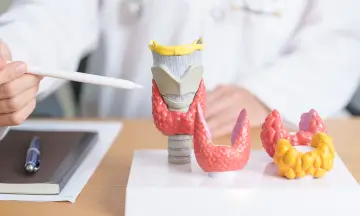
The thyroid is a small, butterfly-shaped gland located at the front of the neck. It plays an important role in controlling metabolism, heart rate, energy levels, and body temperature. When thyroid problems cannot be managed with medicines alone, doctors
12 Jan 2026

A hernia happens when an internal organ or tissue pushes through a weak spot in the muscle or surrounding tissue. It often appears as a visible bulge and may cause discomfort, especially while lifting, coughing, or standing for long
12 Jan 2026
Enquire Now