

Home/Wellness Zone/Sakra Blogs

21st Jul, 2026
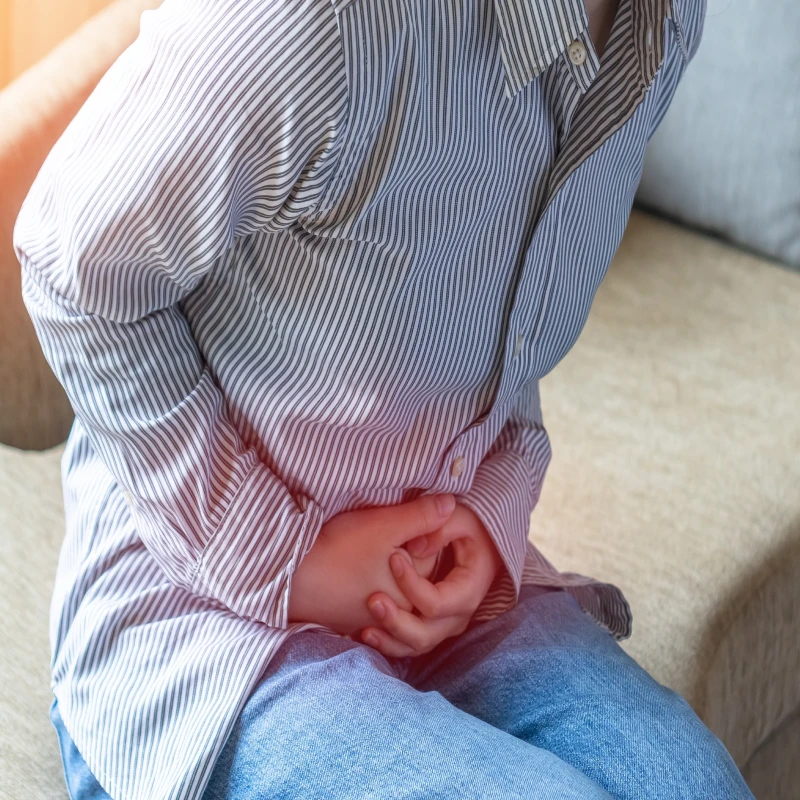
Gallstones are a common digestive problem that can cause significant discomfort and complications if left untreated. While some people may not experience symptoms, others may develop severe pain and require medical attention. Understanding gallstone surgery, its types, and recovery process can help patients make informed decisions.
This guide covers everything from gallstones symptoms to treatment options, including gallstones treatment without surgery and when surgery becomes necessary.
Gallstones are hardened deposits that form in the gallbladder, a small organ located under the liver. They develop when there is an imbalance in the substances that make up bile.
Excess cholesterol in bile: When the liver produces more cholesterol than bile can dissolve, the excess cholesterol may crystallize and form stones over time.
Excess bilirubin production: Conditions like liver disease or blood disorders can cause the body to produce too much bilirubin, which contributes to gallstone formation.
Poor gallbladder emptying: If the gallbladder does not empty properly or frequently enough, bile can become concentrated, increasing the risk of stone formation.
Diet and lifestyle factors: High-fat diets, obesity, rapid weight loss, and a sedentary lifestyle can all increase the chances of developing gallstones.
Genetic and hormonal factors: Family history, pregnancy, and hormonal changes (especially estrogen) can also play a role in gallstone development.
Many people with gallstones may not notice any symptoms. However, when a stone blocks a bile duct, it can lead to noticeable and sometimes severe symptoms.
Sudden abdominal pain (biliary colic): A sharp pain in the upper right abdomen or center of the abdomen is one of the most common gallstones symptoms. This pain may last for minutes to hours.
Pain after eating fatty meals: Gallbladder contraction after fatty foods can trigger pain if gallstones are present.
Nausea and vomiting: Digestive discomfort often accompanies gallstone attacks.
Jaundice (yellowing of skin and eyes): If a stone blocks the bile duct, it can cause bile buildup, leading to jaundice.
Fever and chills: These may indicate infection or inflammation of the gallbladder, which requires immediate medical attention.
Not all cases require immediate gallstone surgery. Some mild or asymptomatic cases can be managed with non-surgical approaches.
Medications to dissolve stones: Certain oral medications can help dissolve cholesterol-based gallstones. However, this process is slow and may take months or years.
Dietary changes: A low-fat, high-fiber diet can help reduce symptoms and prevent new stones from forming.
Lifestyle modifications: Maintaining a healthy weight and regular physical activity can lower the risk of gallstone complications.
Observation (watchful waiting): If there are no symptoms, doctors may recommend monitoring rather than immediate treatment.
However, these methods are not always effective for long-term relief, especially in symptomatic cases.
Gallstone surgery is usually recommended when:
Symptoms are frequent or severe
There is inflammation of the gallbladder (cholecystitis)
Gallstones block bile ducts
Complications like infection or pancreatitis develop
Surgery is considered the most definitive and effective treatment.
There are two main types of gallstone surgery used to remove the gallbladder (cholecystectomy).
Laparoscopic gallbladder surgery: This is the most common and minimally invasive procedure. Small incisions are made, and a camera (laparoscope) is used to guide the surgeon. It results in less pain, smaller scars, and faster recovery.
Open gallbladder surgery: In more complex cases, a larger incision is made to remove the gallbladder. This method is used when there is severe inflammation, infection, or complications.
Understanding the procedure can help reduce anxiety and prepare patients better.
Before surgery: Patients undergo tests like an ultrasound or blood tests. Fasting is required for several hours before the procedure.
During surgery: The procedure is performed under general anesthesia. The surgeon removes the gallbladder using either laparoscopic or open techniques.
After surgery: Patients are monitored for a few hours or days depending on the type of surgery. Most laparoscopic procedures allow same-day or next-day discharge.
Recovery depends on the type of surgery performed.
Laparoscopic surgery recovery: Most patients recover within 1 to 2 weeks. Normal activities can be resumed quickly with minimal discomfort.
Open surgery recovery: Recovery may take 4 to 6 weeks due to the larger incision.
Diet after surgery: Initially, a light and low-fat diet is recommended. Gradually, most people can return to a normal diet.
Lifestyle adjustments: The body adapts to the absence of the gallbladder, and digestion continues normally in most cases.
Gallstone surgery is generally safe, but like any procedure, it carries some risks.
Infection: There is a small risk of infection at the incision site.
Bleeding: Although rare, bleeding can occur during or after surgery.
Bile leakage: In some cases, bile may leak into the abdominal cavity.
Injury to nearby organs: There is a slight risk of damage to bile ducts or surrounding structures.
Digestive changes: Some people may experience temporary bloating or diarrhea after surgery.
Gallstones can range from being harmless to causing severe complications. While gallstones treatment without surgery may work for mild cases, gallstone surgery remains the most effective solution for long-term relief.
Understanding what causes gallstones and recognizing gallstones symptoms early can help in timely treatment. If symptoms are frequent or severe, consulting a doctor for the right treatment plan is essential. With modern surgical techniques, recovery is faster, safer, and more comfortable than ever before.
1. What are the early signs of gallstones?
Early signs include mild abdominal discomfort, bloating, and pain after eating fatty foods.
2. Can gallstones go away without surgery?
Some gallstones can be managed with medication or lifestyle changes, but many cases eventually require surgery.
3. Is gallstone surgery painful?
Laparoscopic surgery involves minimal pain, and most patients recover quickly.
4. Can I live normally without a gallbladder?
Yes, most people live a normal life without a gallbladder, with minimal dietary adjustments.
5. Is gallstone surgery safe?
Yes, it is a commonly performed and generally safe procedure with a high success rate.

Senior Consultant & Lead – General Surgery, Laparoscopic & Robotic Surgery
Book an Appointment
Nipple discharge is a condition where fluid comes out of one or both nipples, either on its own or when pressure is applied. While it can be alarming, especially if unexpected, not all cases are serious. Many people often
7 Jul 2026
Breast pain is one of the most common concerns women experience at some point in their lives. It can feel mild, sharp, heavy, or even constant, which often leads to worry. Many people frequently ask questions like why breast
7 Jul 2026
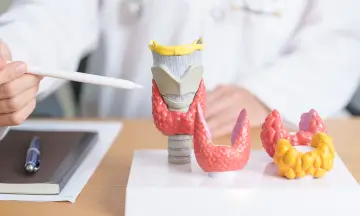
The thyroid is a small, butterfly-shaped gland located at the front of the neck. It plays an important role in controlling metabolism, heart rate, energy levels, and body temperature. When thyroid problems cannot be managed with medicines alone, doctors
12 Jan 2026
A hernia happens when an internal organ or tissue pushes through a weak spot in the muscle or surrounding tissue. It often appears as a visible bulge and may cause discomfort, especially while lifting, coughing, or standing for long
12 Jan 2026
Enquire Now