

Home/Wellness Zone/Sakra Blogs

25th Nov, 2026

Anal fissure skin tags are small flaps of skin that may develop near the anus when an anal fissure becomes chronic or repeatedly heals and reopens. They are usually harmless, but they can cause irritation, difficulty with hygiene, or discomfort during bowel movements. These skin tags are often associated with a chronic anal fissure and are sometimes called sentinel piles. Although they do not always require treatment, it is important to identify the underlying fissure and distinguish the skin tag from other anal lumps. Treatment depends on the symptoms, the presence of an active fissure, and the findings of a medical examination.
An anal fissure is a small tear in the lining of the anal canal that can cause pain, burning, and bleeding during bowel movements. When a fissure persists for several weeks, a small flap of skin may develop near its outer edge as part of the body's response to ongoing irritation and inflammation.
This flap is known as a sentinel skin tag or sentinel pile. It is commonly associated with a chronic anal fissure and may appear as a small, soft lump at the edge of the anus.
Unlike haemorrhoids, which involve swollen blood vessels or supporting tissue, a sentinel skin tag is an area of excess skin. However, not every anal lump is a skin tag, so a healthcare professional should assess any new, painful, or changing growth around the anus.
Anal fissure skin tags usually develop in association with a chronic or repeatedly recurring fissure. Several factors can contribute to their formation.
Chronic anal fissure: A tear that does not heal properly can cause ongoing inflammation and changes in the surrounding skin.
Repeated injury during bowel movements: Passing hard or large stools may reopen the fissure and delay healing.
Constipation and straining: Frequent straining can worsen irritation around the anal opening.
Chronic diarrhoea: Repeated loose bowel movements can irritate the anal lining and interfere with healing.
Repeated inflammation: Ongoing irritation around the fissure may contribute to the development of a skin tag.
Skin tags can also occur without an anal fissure. Other possible causes of anal lumps include haemorrhoids, other benign skin growths, and certain inflammatory conditions. Atypical or multiple fissures may require further assessment for an underlying condition.
A sentinel skin tag may cause no symptoms and may be noticed only when cleaning the anal area. When symptoms occur, they may be related to the skin tag itself or to an underlying anal fissure.
Common symptoms include:
Small flap of skin near the anus: A soft, flesh-coloured or slightly darker growth may be visible at the anal opening.
Pain during bowel movements: Sharp or tearing pain is more likely to come from an active fissure than from the skin tag itself.
Itching or irritation: The skin around the tag may become irritated due to moisture, friction, or difficulty cleaning the area.
Hygiene difficulties: The extra skin may make it harder to clean the area thoroughly after passing stool.
Occasional bleeding: Bleeding may occur when an active fissure reopens or the surrounding tissue becomes irritated.
A skin tag that becomes suddenly swollen, very painful, discoloured, or starts producing discharge should be assessed by a healthcare professional.
Anal fissure skin tags are generally benign and do not usually pose a serious health risk. They are not cancerous growths, and a typical sentinel skin tag does not itself turn into cancer.
However, an anal lump should not automatically be assumed to be a skin tag. Persistent growth, unusual changes in colour or shape, ulceration, unexplained bleeding, or a firm lump requires medical assessment to rule out other conditions.
The underlying fissure may also need treatment, particularly if it causes ongoing pain, bleeding, or repeated tearing. Treating constipation and avoiding straining can help reduce further irritation.
Not all anal fissure skin tags need treatment. If the skin tag is small, painless, and does not interfere with hygiene, a doctor may recommend observation rather than removal.
Treatment is more likely to be considered when the skin tag causes persistent irritation, difficulty cleaning the area, or significant discomfort. If an active anal fissure is present, treating the fissure is usually an important part of management.
1. Dietary and Lifestyle Changes
Dietary and lifestyle measures can help manage constipation and reduce repeated injury to an anal fissure. They may improve symptoms, although they generally do not remove an established skin tag.
Eat fibre-rich foods: Include fruits, vegetables, whole grains, and legumes to help soften stools.
Drink adequate fluids: Sufficient water intake supports regular bowel movements.
Avoid straining: Respond to the urge to pass stool and avoid sitting on the toilet for long periods.
Stay physically active: Regular walking and suitable exercise can help support bowel regularity.
Maintain gentle hygiene: Clean the area with water and pat it dry rather than rubbing or using harsh products.
2. Warm Sitz Baths
A warm sitz bath involves sitting in shallow, comfortably warm water for about 10 to 15 minutes, particularly after bowel movements. It may relax the anal sphincter and reduce discomfort associated with an active fissure.
Sitz baths can relieve irritation but do not usually shrink or eliminate an established skin tag. Avoid very hot water and products that may irritate the skin.
3. Medication for an Underlying Anal Fissure
If the skin tag is associated with an active or chronic fissure, a doctor may prescribe medication to promote healing and relieve symptoms.
Topical anaesthetics: These may temporarily reduce pain and burning.
Nitroglycerin ointment: This helps relax the internal anal sphincter and may improve blood flow to the fissure.
Topical diltiazem or nifedipine: These medicines may relax the anal sphincter and support fissure healing.
Stool softeners or laxatives: These may be recommended when constipation makes bowel movements difficult.
These medicines treat symptoms or the underlying fissure rather than removing the skin tag itself. Prescription treatments should be used according to medical advice.
4. Treatment of a Chronic Anal Fissure
When a skin tag is associated with a chronic fissure, treating the fissure may be essential to relieve pain and reduce further irritation. Depending on the case, treatment may include prescription ointments, botulinum toxin injections, or surgery.
A procedure such as lateral internal sphincterotomy may be recommended for selected chronic fissures that do not respond to other treatments. It relaxes part of the internal anal sphincter to promote healing, but it carries a risk of problems with gas or stool control.
The appropriate treatment depends on the fissure's severity, previous treatment response, and the patient's individual risk factors.
The recovery period depends on whether the skin tag is being observed, whether an underlying fissure is present, and whether a removal procedure is performed.
Without removal: A skin tag may remain for years even after the associated fissure heals. It does not usually disappear with creams or dietary changes alone.
With treatment for an active fissure: Pain and bleeding may improve over several weeks, depending on the treatment and the severity of the fissure.
After skin tag removal: The wound may take several weeks to heal fully. Recovery varies with the size of the tag, the procedure, and individual healing factors.
Follow the treating clinician's wound-care instructions and seek medical advice if pain worsens, bleeding increases, or signs of infection develop.
A medical examination is recommended if a lump develops around the anus, particularly when it is new, changing, painful, or associated with bleeding. A doctor can determine whether it is a sentinel skin tag, a haemorrhoid, or another condition.
Seek medical advice if you experience:
Persistent pain during or after bowel movements
Recurrent rectal bleeding
A skin tag that interferes with cleaning or daily comfort
A lump that grows, becomes firm, or changes in appearance
Persistent discharge, swelling, or irritation
An anal fissure that does not heal or repeatedly returns
Severe pain accompanied by fever, rapidly increasing swelling, or pus requires prompt medical assessment.
Anal fissure skin tags are small flaps of skin that commonly develop near a chronic or repeatedly recurring anal fissure. They are usually harmless and do not always require treatment. Dietary changes, adequate hydration, and appropriate medication can help manage an underlying fissure, while surgical removal may be considered if the skin tag causes persistent discomfort or hygiene problems. A healthcare professional can confirm the diagnosis and recommend suitable treatment based on the symptoms and examination findings.
1. Do anal fissure skin tags go away on their own?
An established skin tag usually does not disappear even if the associated anal fissure heals. If it causes no discomfort or hygiene problems, removal may not be necessary.
2. Can creams remove anal fissure skin tags?
Creams may relieve irritation or help heal an associated anal fissure, but they generally do not remove an established skin tag. A doctor can discuss removal if the tag causes persistent symptoms.
3. Are anal fissure skin tags the same as haemorrhoids?
No, a sentinel skin tag is excess skin associated with a chronic anal fissure, whereas haemorrhoids involve swollen blood vessels and supporting tissue in the anal region. Both can cause lumps around the anus, so an examination may be needed to distinguish them.
4. Is surgery necessary for anal fissure skin tags?
Surgery is not usually necessary if the skin tag is painless and does not interfere with hygiene. Removal may be considered when symptoms persist or the tag causes significant discomfort.
5. Can an anal fissure skin tag become cancerous?
A typical sentinel skin tag is benign and does not usually become cancerous. However, a new, growing, ulcerated, or unusual anal lump should be examined to rule out other conditions

Senior Consultant & Lead – General Surgery, Laparoscopic & Robotic Surgery
Book an Appointment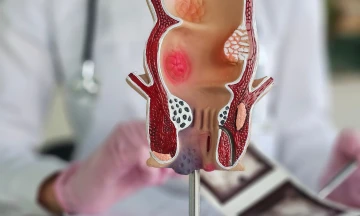
An anal fissure is a small tear or crack in the lining of the anus that can cause sharp pain during bowel movements, burning, and bleeding. It commonly develops due to passing hard stools, constipation, or straining during defecation.
25 Nov 2026

Anal fistula surgery helps treat an abnormal tunnel that forms between the inside of the anus and the skin around it. Proper care after surgery is important for healing, reducing pain, preventing infection, and lowering the risk of the
25 Nov 2026

An anal fistula is a small tunnel that forms between the inside of the anus and the skin around it. It usually develops after an infection near the anus causes an abscess, which is a collection of pus. An
25 Nov 2026

Finding a lump in the breast can be worrying, but not every breast lump is a sign of cancer. Many lumps develop because of hormonal changes, fluid-filled cysts, or the growth of normal breast tissue. These are called benign
30 Oct 2026
A breast fibroadenoma is a common, non-cancerous lump that develops in the breast. It is made up of glandular and connective tissue and is often found in younger women, particularly those under 30. Fibroadenomas usually feel smooth, firm, and
30 Oct 2026

Gallstones are a common digestive problem that can cause significant discomfort and complications if left untreated. While some people may not experience symptoms, others may develop severe pain and require medical attention. Understanding gallstone surgery, its types, and recovery
21 Jul 2026

Nipple discharge is a condition where fluid comes out of one or both nipples, either on its own or when pressure is applied. While it can be alarming, especially if unexpected, not all cases are serious. Many people often
7 Jul 2026

Breast pain is one of the most common concerns women experience at some point in their lives. It can feel mild, sharp, heavy, or even constant, which often leads to worry. Many people frequently ask questions like why breast
7 Jul 2026
The thyroid is a small, butterfly-shaped gland located at the front of the neck. It plays an important role in controlling metabolism, heart rate, energy levels, and body temperature. When thyroid problems cannot be managed with medicines alone, doctors
12 Jan 2026
Enquire Now


