

Home/Wellness Zone/Sakra Blogs

26th Nov, 2026

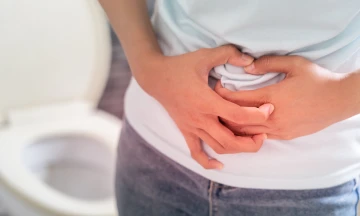
Piles, also known as haemorrhoids, are swollen veins in and around the anus and lower rectum. They commonly develop due to increased pressure on these blood vessels, often caused by constipation, straining during bowel movements or prolonged sitting. Early symptoms may include rectal bleeding, itching, pain, swelling and discomfort while passing stools. Recognising these warning signs can help with timely diagnosis and treatment. Although piles are common, persistent rectal bleeding or pain should not be ignored, as other medical conditions can cause similar symptoms.
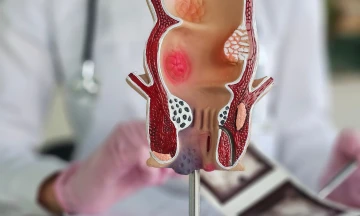
Piles are swollen and inflamed blood vessels that develop inside the rectum or around the anus. They can occur in people of different age groups but are more common in adults.
Piles are mainly classified into two types:
Internal Piles: These develop inside the rectum and are usually painless. They may cause bright red bleeding during or after bowel movements.
External Piles: These develop under the skin around the anus and may cause pain, itching, swelling and discomfort.
Thrombosed Piles: These occur when a blood clot forms inside an external haemorrhoid, causing sudden pain, swelling and a firm lump near the anus.
The symptoms of piles can vary depending on their type and severity. Some people experience mild discomfort, while others may develop pain and bleeding during bowel movements.
Common early signs and symptoms include:
Bright Red Blood During Bowel Movements: Small amounts of bright red blood may appear on toilet paper, in the toilet bowl or on the surface of stools.
Itching Around the Anus: Irritation and itching may develop due to mucus discharge or difficulty cleaning the anal area.
Pain and Discomfort: External piles may cause soreness or pain, particularly while sitting or passing stools.
Swelling Around the Anus: A small lump or swollen area may develop near the anal opening.
Lump Near the Anus: External piles may feel like soft or firm lumps around the anus.
Mucus Discharge: Some people with internal piles may notice mucus around the anus, which can cause irritation.
Feeling of Incomplete Bowel Emptying: Larger internal piles may create a sensation that the bowel has not emptied completely.
Prolapse During Bowel Movements: Internal piles may protrude through the anal opening during straining and may move back inside on their own or require manual repositioning.
Piles develop when increased pressure affects the veins around the anus and lower rectum. Several factors can contribute to their development.
Chronic Constipation: Hard stools and repeated straining during bowel movements increase pressure on rectal blood vessels.
Low-Fibre Diet: Insufficient dietary fibre can lead to constipation and difficulty passing stools.
Prolonged Sitting: Sitting for extended periods, particularly on the toilet, can increase pressure around the anal region.
Pregnancy: Increased abdominal pressure and hormonal changes during pregnancy can contribute to haemorrhoid development.
Obesity: Excess body weight can increase pressure on the pelvic and rectal blood vessels.
Chronic Diarrhoea: Frequent bowel movements and repeated irritation can contribute to haemorrhoid symptoms.
Ageing: Supporting tissues around the rectum and anus may weaken with age, increasing the likelihood of piles.
Heavy Lifting: Repeated heavy lifting, particularly while holding the breath, can increase pressure in the abdominal and pelvic regions.
A doctor may recommend a physical examination and specific diagnostic procedures to identify piles and rule out other conditions that cause similar symptoms.
Medical History: The doctor asks about symptoms, bowel habits, bleeding, diet and medical history.
Physical Examination: The anal region is examined for swelling, external piles, lumps or irritation.
Digital Rectal Examination: The doctor gently inserts a gloved, lubricated finger into the rectum to check for abnormalities.
Anoscopy: A small instrument called an anoscope is used to examine the anal canal and identify internal piles.
Colonoscopy: This may be recommended in selected cases, particularly when there is unexplained rectal bleeding, changes in bowel habits or a need to investigate other conditions.
Mild piles can often improve with dietary changes, proper bowel habits and simple home care measures.
Eat Fibre-Rich Foods: This includes fruits, vegetables, whole grains and pulses to soften stools and reduce straining.
Drink Enough Water: Adequate fluid intake helps prevent hard stools and supports regular bowel movements.
Avoid Straining: Do not force bowel movements or sit on the toilet for prolonged periods.
Take Warm Sitz Baths: Soaking the anal area in warm water for 10 to 15 minutes can help relieve itching, irritation and discomfort.
Stay Physically Active: Regular walking and moderate exercise support healthy bowel movements.
Avoid Delaying Bowel Movements: Respond to the urge to pass stools rather than postponing it.
Use Medicines Only as Advised: Doctors may recommend fibre supplements, stool softeners or topical treatments depending on the symptoms.
Although mild piles may improve with home care, certain symptoms require medical evaluation.
Consult a doctor if you experience:
Repeated bleeding during or after bowel movements.
Persistent pain, itching or swelling around the anus.
A lump near the anus that becomes painful or increases in size.
Symptoms that do not improve with dietary and lifestyle changes.
Changes in bowel habits or unexplained weight loss.
Recognising the early signs of piles, such as rectal bleeding, itching, swelling and discomfort, can help with timely treatment. Dietary changes, adequate hydration, regular physical activity and avoiding straining during bowel movements can help manage mild symptoms. However, persistent or recurring symptoms require medical evaluation to confirm the diagnosis and identify the appropriate treatment.
1. What is the first sign of piles?
Bright red bleeding during or after bowel movements is one of the common early signs of piles. Itching, irritation and swelling around the anus may also occur.
2. Can piles go away on their own?
Mild piles may improve with dietary changes, adequate hydration and better bowel habits. However, persistent or severe piles may require medical treatment.
3. Are piles painful in the early stages?
Internal piles are usually painless but may cause bleeding during bowel movements. External piles can cause itching, swelling and pain, particularly if a blood clot develops.
4. How can I tell if I have piles or an anal fissure?
Piles may cause bleeding, itching and swelling around the anus, while an anal fissure commonly causes sharp pain during bowel movements. A medical examination is needed to confirm the condition.
5. Which foods should be avoided if I have piles?
Limit low-fibre processed foods, excessive refined carbohydrates and foods that worsen constipation. Include fibre-rich foods and drink enough water to support regular bowel movements.

Senior Consultant & Lead – General Surgery, Laparoscopic & Robotic Surgery
Book an Appointment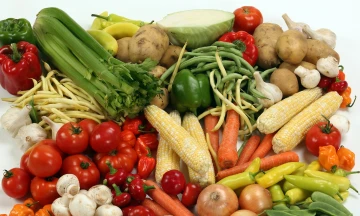
Piles, also known as haemorrhoids, are swollen veins around the anus and lower rectum that can cause pain, itching, swelling and bleeding during bowel movements. Constipation and straining while passing stools are common factors that worsen piles. A high-fibre
26 Nov 2026
Anal fissure skin tags are small flaps of skin that may develop near the anus when an anal fissure becomes chronic or repeatedly heals and reopens. They are usually harmless, but they can cause irritation, difficulty with hygiene, or
25 Nov 2026
An anal fissure is a small tear or crack in the lining of the anus that can cause sharp pain during bowel movements, burning, and bleeding. It commonly develops due to passing hard stools, constipation, or straining during defecation.
25 Nov 2026
Anal fistula surgery helps treat an abnormal tunnel that forms between the inside of the anus and the skin around it. Proper care after surgery is important for healing, reducing pain, preventing infection, and lowering the risk of the
25 Nov 2026

An anal fistula is a small tunnel that forms between the inside of the anus and the skin around it. It usually develops after an infection near the anus causes an abscess, which is a collection of pus. An
25 Nov 2026
Finding a lump in the breast can be worrying, but not every breast lump is a sign of cancer. Many lumps develop because of hormonal changes, fluid-filled cysts, or the growth of normal breast tissue. These are called benign
30 Oct 2026
A breast fibroadenoma is a common, non-cancerous lump that develops in the breast. It is made up of glandular and connective tissue and is often found in younger women, particularly those under 30. Fibroadenomas usually feel smooth, firm, and
30 Oct 2026
Gallstones are a common digestive problem that can cause significant discomfort and complications if left untreated. While some people may not experience symptoms, others may develop severe pain and require medical attention. Understanding gallstone surgery, its types, and recovery
21 Jul 2026
Nipple discharge is a condition where fluid comes out of one or both nipples, either on its own or when pressure is applied. While it can be alarming, especially if unexpected, not all cases are serious. Many people often
7 Jul 2026
Enquire Now


