

Home/Wellness Zone/Sakra Blogs

26th Nov, 2026
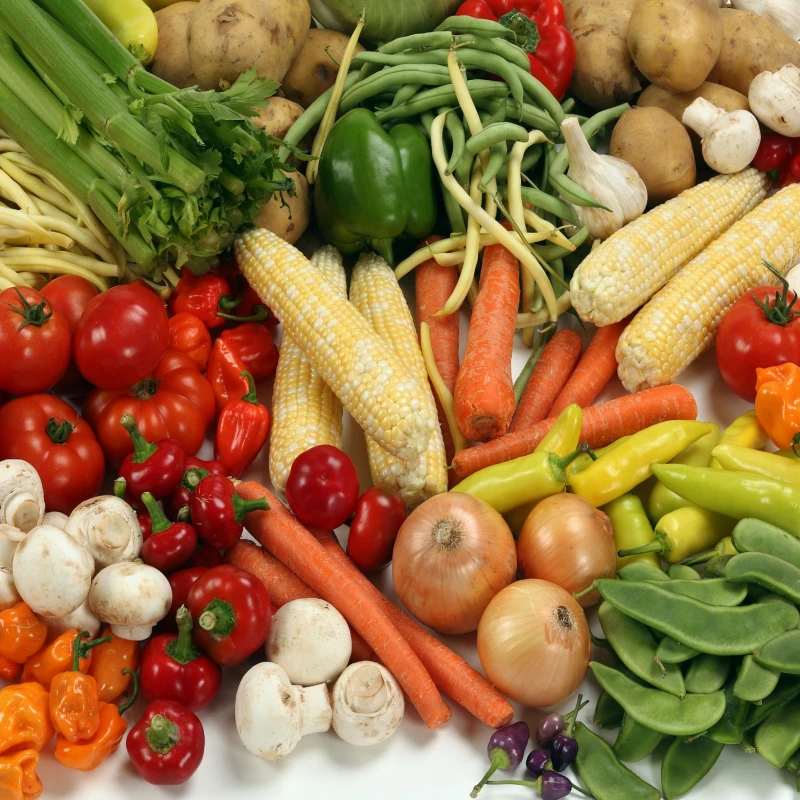
Piles, also known as haemorrhoids, are swollen veins around the anus and lower rectum that can cause pain, itching, swelling and bleeding during bowel movements. Constipation and straining while passing stools are common factors that worsen piles. A high-fibre diet can help soften stools, improve bowel movements and reduce pressure on the anal veins. Including fruits, vegetables, whole grains, pulses and adequate fluids in daily meals can help manage symptoms and prevent constipation. Choosing the right foods is an important part of piles management alongside appropriate medical treatment.
Diet plays an important role in managing piles because it directly affects digestion and bowel movements. Eating enough fibre helps prevent constipation and reduces the need to strain while passing stools.
A fibre-rich diet helps by:
Softening Stools: Dietary fibre absorbs water and makes stools softer and easier to pass.
Preventing Constipation: Regular fibre intake supports healthy bowel movements and reduces constipation.
Reducing Straining: Softer stools reduce pressure on the veins around the anus.
Supporting Digestive Health: Fibre promotes healthy gut function and regular bowel movements.
Preventing Symptom Flare-ups: Maintaining regular bowel habits may help reduce irritation and discomfort associated with piles.
Including fibre-rich foods in daily meals can help improve bowel movements and manage constipation associated with piles.
1. Fibre-Rich Fruits
Fruits provide dietary fibre, vitamins and water that support digestion and help soften stools.
Papaya: Contains fibre and water that support regular bowel movements.
Apples: Provide soluble and insoluble fibre, particularly when eaten with the skin.
Pears: Contain fibre and natural sorbitol, which may help improve bowel movements.
Oranges: Provide fibre and water that support digestive health.
Bananas: Contain fibre that supports bowel regularity. Choose ripe bananas if they suit individual digestion.
Prunes: Contain fibre and sorbitol, which can help relieve constipation.
2. Green Leafy Vegetables
Leafy vegetables provide fibre, vitamins and minerals that support healthy digestion.
Spinach: Provides fibre and magnesium, which support normal digestive function.
Fenugreek Leaves: Contain dietary fibre that helps improve bowel regularity.
Amaranth Leaves: Provide fibre and essential nutrients that support digestive health.
Drumstick Leaves: Contain fibre and several vitamins and minerals.
Lettuce: Provides water and fibre that contribute to a balanced diet.
3. Whole Grains
Whole grains contain more fibre than refined grains and help maintain regular bowel movements.
Oats: Contain soluble fibre that helps soften stools and support gut health.
Brown Rice: Provides fibre that supports digestion and bowel regularity.
Whole Wheat: Contains insoluble fibre that adds bulk to stools.
Barley: Provides soluble fibre that supports digestive health.
Millets: Ragi, jowar and bajra provide dietary fibre and can be included in balanced meals.
4. Pulses and Legumes
Pulses and legumes are good sources of fibre and plant-based protein.
Moong Dal: Provides fibre and protein and is generally easy to include in everyday meals.
Chickpeas: Contain dietary fibre that supports regular bowel movements.
Lentils: Provide fibre and protein that support digestive health.
Kidney Beans: Contain fibre that helps improve stool bulk.
Green Peas: Provide fibre and nutrients that support healthy digestion.
5. Nuts and Seeds
Nuts and seeds provide fibre and healthy fats that can support overall digestive health.
Chia Seeds: Absorb water and form a gel-like consistency that helps support softer stools.
Flaxseeds: Provide fibre that supports bowel regularity.
Almonds: Contain dietary fibre and healthy fats.
Walnuts: Provide fibre and unsaturated fats.
Pumpkin Seeds: Contain fibre and essential minerals.
6. Water and Hydrating Foods
Adequate fluid intake is essential when increasing dietary fibre because fibre works better when sufficient water is available.
Water: Helps soften stools and prevent constipation.
Coconut Water: Provides fluids and electrolytes that support hydration.
Cucumber: Contains high water content and provides some dietary fibre.
Watermelon: Helps maintain hydration and provides a small amount of fibre.
Soups: Vegetable-based soups contribute to daily fluid intake.
Certain foods may worsen constipation, irritate the digestive system or make bowel symptoms more uncomfortable.
Processed Foods: Packaged snacks, instant foods and refined products are often low in fibre.
Deep-Fried Foods: Excessively oily foods may cause digestive discomfort in some people.
Refined Grains: White bread, refined flour products and low-fibre cereals provide less fibre than whole grains.
Excessive Red Meat: Meat contains no dietary fibre, so large portions may displace fibre-rich foods from meals.
Excessive Alcohol: Alcohol can contribute to dehydration and may worsen constipation.
Very Spicy Foods: These do not directly cause piles but may aggravate anal discomfort or burning in some individuals.
Excessive Caffeine: Too much coffee or tea may contribute to dehydration in some people, particularly when fluid intake is inadequate.
A balanced daily meal plan can help increase fibre intake and support regular bowel movements.
|
Meal |
Food options |
|
Early morning |
A glass of water and a few soaked almonds |
|
Breakfast |
Oats porridge with fruit or vegetable poha |
|
Mid-morning |
Papaya, pear or orange |
|
Lunch |
Whole wheat roti, moong dal, green vegetables and salad |
|
Evening snack |
Roasted chickpeas or fruit |
|
Dinner |
Vegetable khichdi or brown rice with dal and cooked vegetables |
|
Before bed |
Water or milk, depending on individual tolerance |
Dietary changes work best when combined with healthy daily habits.
Drink Enough Water: Maintain adequate fluid intake throughout the day.
Exercise Regularly: Walking and moderate physical activity help support bowel movements.
Avoid Straining: Do not force bowel movements or sit on the toilet for extended periods.
Do Not Ignore Bowel Urges: Respond to the urge to pass stools instead of delaying it.
Increase Fibre Gradually: Add fibre-rich foods slowly to avoid bloating and gas.
Maintain a Healthy Weight: Managing body weight may help reduce pressure around the pelvic region.
Practise Good Toilet Habits: Avoid prolonged sitting on the toilet and maintain regular bowel routines.
Dietary changes may help manage mild piles, but medical evaluation is important if symptoms persist or worsen.
Consult a doctor if you experience:
Repeated bleeding during bowel movements.
Persistent pain, itching or swelling around the anus.
A painful lump near the anal opening.
Constipation that does not improve with dietary changes.
Symptoms that interfere with daily activities.
A high-fibre diet is an important part of managing piles because it helps soften stools, prevent constipation and reduce straining during bowel movements. Including fruits, vegetables, whole grains, pulses, nuts and adequate fluids in daily meals can support digestive health and improve bowel regularity. Combining dietary changes with regular exercise and healthy toilet habits can help manage symptoms. Persistent bleeding or pain requires medical evaluation and appropriate treatment.
1. Which fruit is best for piles?
Papaya, pears, apples, oranges and prunes are good choices because they provide fibre and support regular bowel movements. Prunes may be particularly helpful for relieving constipation.
2. Can I eat rice if I have piles?
Yes, rice can be included in a piles-friendly diet. Brown rice is a better fibre source than white rice, so it may help support bowel regularity.
3. Is curd good for piles?
Plain curd can be included if it suits individual digestion and provides beneficial bacteria. However, it does not directly treat haemorrhoids.
4. Which foods should I avoid during piles?
Limit low-fibre processed foods, excessive refined grains and foods that worsen constipation or digestive discomfort. Include fibre-rich foods and adequate fluids instead.
5. How much fibre should I eat daily if I have piles?
Adults generally need around 22–34 grams of fibre daily, depending on age and sex. Increase fibre gradually and drink enough water to help prevent bloating and constipation.
6. Can piles be cured by diet alone?
Dietary changes can help relieve constipation and manage mild piles, but they may not cure larger or advanced haemorrhoids. Medical treatment may be needed depending on the severity.

Senior Consultant & Lead – General Surgery, Laparoscopic & Robotic Surgery
Book an Appointment
Piles, also known as haemorrhoids, are swollen veins in and around the anus and lower rectum. They commonly develop due to increased pressure on these blood vessels, often caused by constipation, straining during bowel movements or prolonged sitting. Early
26 Nov 2026
Anal fissure skin tags are small flaps of skin that may develop near the anus when an anal fissure becomes chronic or repeatedly heals and reopens. They are usually harmless, but they can cause irritation, difficulty with hygiene, or
25 Nov 2026
An anal fissure is a small tear or crack in the lining of the anus that can cause sharp pain during bowel movements, burning, and bleeding. It commonly develops due to passing hard stools, constipation, or straining during defecation.
25 Nov 2026

Anal fistula surgery helps treat an abnormal tunnel that forms between the inside of the anus and the skin around it. Proper care after surgery is important for healing, reducing pain, preventing infection, and lowering the risk of the
25 Nov 2026

An anal fistula is a small tunnel that forms between the inside of the anus and the skin around it. It usually develops after an infection near the anus causes an abscess, which is a collection of pus. An
25 Nov 2026
Finding a lump in the breast can be worrying, but not every breast lump is a sign of cancer. Many lumps develop because of hormonal changes, fluid-filled cysts, or the growth of normal breast tissue. These are called benign
30 Oct 2026
A breast fibroadenoma is a common, non-cancerous lump that develops in the breast. It is made up of glandular and connective tissue and is often found in younger women, particularly those under 30. Fibroadenomas usually feel smooth, firm, and
30 Oct 2026
Gallstones are a common digestive problem that can cause significant discomfort and complications if left untreated. While some people may not experience symptoms, others may develop severe pain and require medical attention. Understanding gallstone surgery, its types, and recovery
21 Jul 2026
Nipple discharge is a condition where fluid comes out of one or both nipples, either on its own or when pressure is applied. While it can be alarming, especially if unexpected, not all cases are serious. Many people often
7 Jul 2026
Enquire Now


