
Home/Wellness Zone/Sakra Blogs

20th Aug, 2026
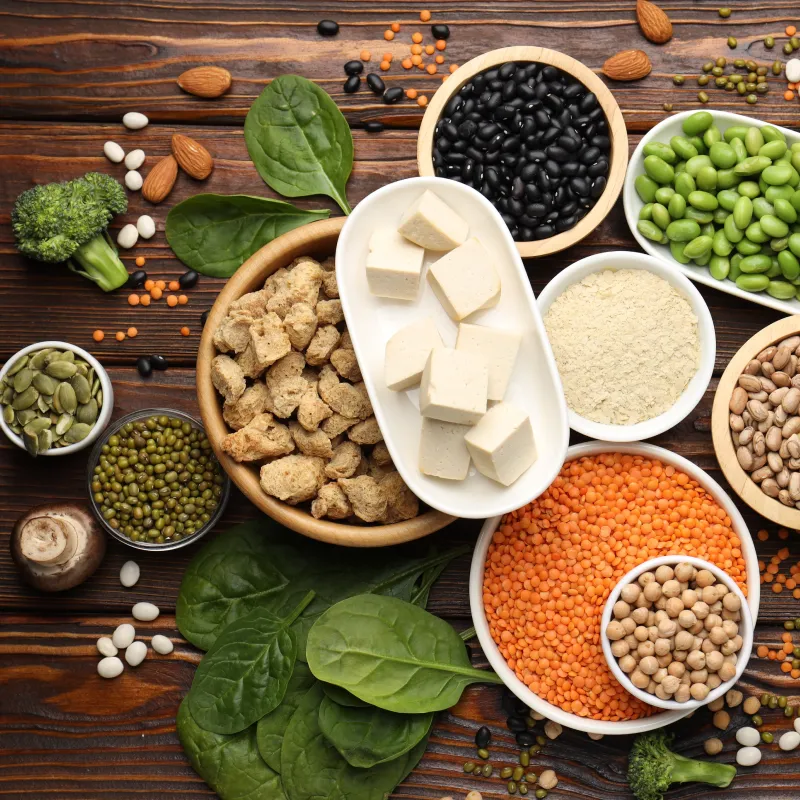
Diet can play an important role in managing symptoms associated with gallstones. Although food cannot dissolve existing gallstones, choosing the right foods may help reduce digestive discomfort and lower the likelihood of triggering gallbladder pain.
A healthy gallbladder stones diet generally focuses on fibre-rich foods, lean proteins, whole grains and moderate amounts of healthy fats while limiting foods that are high in saturated fat, fried foods and heavily processed meals.
A gallbladder-friendly diet is a balanced eating pattern designed to support digestion and reduce foods that may trigger symptoms such as abdominal pain, bloating, nausea and indigestion.
There is no single diet that works for everyone with gallstones. Foods that trigger symptoms can vary from person to person, so it can be helpful to notice which foods cause discomfort and discuss persistent symptoms with a healthcare professional.
The best food for gallbladder stone management is generally food that is naturally low in unhealthy fats and rich in fibre and nutrients.
Fruits: Apples, pears, oranges, berries, bananas and other fresh fruits can provide fibre and nutrients.
Vegetables: Include leafy greens, carrots, beans, peas, broccoli, cauliflower and other vegetables.
Whole grains: Oats, brown rice, whole-wheat bread, barley and whole-grain cereals can increase fibre intake.
Lean proteins: Skinless chicken, fish, beans, lentils and other legumes are good protein choices.
Low-fat dairy: Low-fat milk, yoghurt and other reduced-fat dairy products can be included if tolerated.
Healthy fats in moderation: Small amounts of foods such as avocado, nuts, seeds and olive oil can provide healthier fats.
Adequate fluids: Water and other suitable fluids can help maintain hydration.
When choosing food for gallbladder stone management, focus on meals that are balanced, lightly prepared and not excessively oily.
Some suitable meal options include:
Oatmeal with fruit
Vegetable and lentil soup
Brown rice with vegetables and dal
Grilled or baked fish with vegetables
Skinless grilled chicken with whole grains
Low-fat yoghurt with fruit
Whole-wheat toast with vegetables
Steamed or lightly cooked vegetables
Fresh fruit as a snack
Portion size can also matter. Eating smaller, balanced meals may be more comfortable than consuming very large meals at once, particularly if fatty meals trigger symptoms.
If you are wondering what to avoid in gall bladder stone, foods that are high in saturated fat, trans fat and heavily processed fats are generally best limited.
Common foods to reduce or avoid include:
Fried foods such as samosas, pakoras, fries and fried chicken
Fatty cuts of meat
Processed meats such as sausages and bacon
Full-fat dairy products
Butter, ghee and large amounts of cream
Cakes, pastries, doughnuts and other high-fat baked foods
Fast food and deep-fried meals
Chips and other high-fat packaged snacks
Rich gravies and creamy sauces
Foods prepared with excessive oil
High-fat desserts
It is not necessary for everyone with gallstones to completely eliminate every source of fat. The goal is usually to reduce excessive and unhealthy fat intake while maintaining a balanced diet.
The foods to avoid with gallstones may depend on individual symptoms. Some people notice pain or digestive discomfort after eating particular foods, even when those foods are not necessarily unhealthy.
Keep track of foods that consistently cause symptoms and consider limiting them. Common triggers can include:
Very oily meals
Deep-fried foods
Large portions of fatty meat
Cream-based dishes
High-fat desserts
Heavy restaurant or fast-food meals
A food diary can help identify patterns between meals and symptoms.
The gallbladder releases bile when the body needs to digest dietary fat. Eating a large amount of fat at once can stimulate gallbladder contraction, which may trigger pain in some people with gallstones.
Reducing very fatty meals may therefore help some people manage symptoms. However, completely eliminating dietary fat is generally not recommended because the body needs some fat for normal nutrition and absorption of certain vitamins.
Diet alone cannot reliably dissolve existing gallstones. A healthy diet may help manage symptoms and support overall health, but it does not remove stones that have already formed.
If gallstones cause repeated pain or complications, medical treatment may be necessary. Depending on the situation, treatment may include medicines in selected cases or surgical removal of the gallbladder.
Along with choosing suitable foods, a few eating habits may help reduce digestive discomfort:
Eat regular meals rather than skipping meals for long periods.
Choose smaller portions if large meals trigger discomfort.
Increase fibre gradually to avoid excessive gas and bloating.
Limit fried and heavily processed foods.
Choose grilled, baked, steamed or boiled foods instead of fried foods.
Avoid crash diets and very rapid weight loss.
Drink enough water throughout the day.
Maintain a healthy body weight through gradual lifestyle changes.
Dietary changes may help manage mild digestive symptoms, but persistent or severe symptoms should not be managed through diet alone.
Seek prompt medical attention if you develop severe or persistent abdominal pain, fever or chills, repeated vomiting, yellowing of the skin or eyes, dark urine or pale stools. These symptoms may indicate a gallstone complication such as gallbladder inflammation or bile duct blockage.
A healthy gallbladder stones diet should focus on fibre-rich fruits and vegetables, whole grains, lean proteins and moderate amounts of healthier fats. Fried foods, fatty meats, full-fat dairy products, heavily processed foods and meals prepared with excessive oil are generally best limited, especially if they trigger symptoms.
Diet cannot remove existing gallstones, but making suitable food choices may help reduce symptoms and support overall digestive health. If gallstones are causing recurrent pain or other complications, consult a healthcare professional to determine whether medical or surgical treatment is needed.
1. What is the best food for gallbladder stone?
Fruits, vegetables, whole grains, legumes, lean proteins and low-fat dairy products are generally suitable choices. Foods should preferably be prepared with little added fat.
2. What should I avoid in gallbladder stones?
Limit fried foods, fatty meats, processed meats, full-fat dairy, creamy foods, pastries, fast food and meals prepared with excessive oil or ghee.
3. Can I eat rice if I have gallstones?
Yes. Rice can be part of a gallstone-friendly diet. Choosing brown rice or other whole grains can provide more fibre, while portion size and the amount of oil used in preparation should be considered.
4. Can I eat chicken if I have gallstones?
Lean, skinless chicken can generally be included. Grilled, baked or boiled chicken is preferable to fried chicken or chicken prepared with large amounts of oil.
5. Is milk good for gallstones?
Low-fat or reduced-fat milk may be better tolerated than full-fat milk because it contains less fat. Individual tolerance can vary.
6. Can I eat spicy food with gallstones?
Spicy foods do not directly cause gallstones, but they may worsen digestive symptoms in some people. If spicy meals trigger discomfort, it is reasonable to reduce or avoid them
Diet can play an
20 Aug 2026
Gallstones, medically known
20 Aug 2026
Liver transplant surgery is an
2 Jun 2025
A liver transplant is often
21 May 2025
Undergoing a liver transplant is
21 May 2025
Gastrointestinal (GI) Disorders Gastrointestinal (GI)
24 Apr 2025
Robotic Whipple's surgery, or
8 Aug 2024
Robotic liver surgery represents a
8 Aug 2024

As a team specializing in
12 Mar 2024
GI cancer stands for gastrointestinal
24 May 2023
Fatty liver, also known as
27 Apr 2023

Treatment for swallowing disorders caused
13 Mar 2023
Liver transplantation is recommended for
6 Mar 2023
What is an Inguinal Hernia? A
6 Apr 2021
With Covid-19 outbreak, we are
27 Jul 2020
Ever since the outbreak of
28 May 2020

The increased economic growth has
22 Nov 2019
1. What is Acute Pancreatitis? Acute
26 Jun 2017
Pancreas is the organ which
2 Sep 2016
Enquire Now